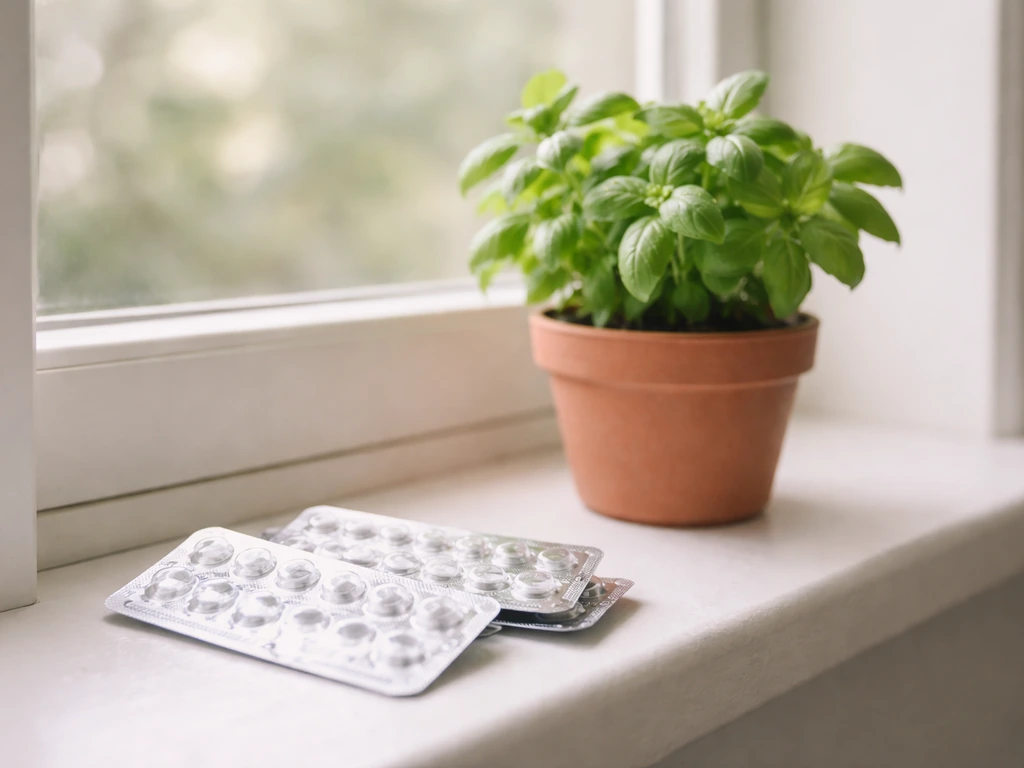
Birth control pills will not meaningfully help your plants grow. For the same reason, 7up is not something that will help plants grow in any meaningful way. The hormones they contain, primarily synthetic estrogens and progestins like ethinyl estradiol and levonorgestrel, are designed to interact with human reproductive biology. Plants don't have the receptors to use those compounds, the doses in a pill are tiny relative to soil volume, and what does reach your soil gets broken down by microbes or light before it could do anything useful anyway. Save the pills for their intended purpose and skip them in the garden.
Can Birth Control Pills Help Plants Grow? Science & Safer Tips
Marcus Holloway
10 Jun 2026
Why the idea sounds plausible in the first place
I get why this question comes up. 'Hormones make things grow' is a reasonable mental shortcut. We know hormones regulate growth in animals, and we know plants also have hormones. So someone at some point connected those dots and wondered: if birth control pills are packed with hormones, couldn't they give a plant a boost?
It's the same kind of logic that drives questions about whether soda, toothpaste, bleach, or dish soap might secretly be garden gold. It also raises the question of whether bleach helps plants grow, which is even less plausible than the hormone idea bleach help plants grow. Toothpaste is not a plant food, and it does not have a reliable way to help plants grow does toothpaste help plants grow.
Those same concerns also apply to the question of whether soda helps plants grow, since plants do not use the ingredients in soda as a growth hormone. The reasoning isn't stupid, it's just missing a few key biological details.
Plants do respond to hormone-like compounds in specific contexts. Rooting powders work. Gibberellins are used commercially to manipulate fruit size. So the idea that an external hormone could nudge plant growth isn't inherently absurd. The problem is the specific match between what's in a birth control pill and what plants actually respond to.
What's actually in birth control pills, and why plants can't use it
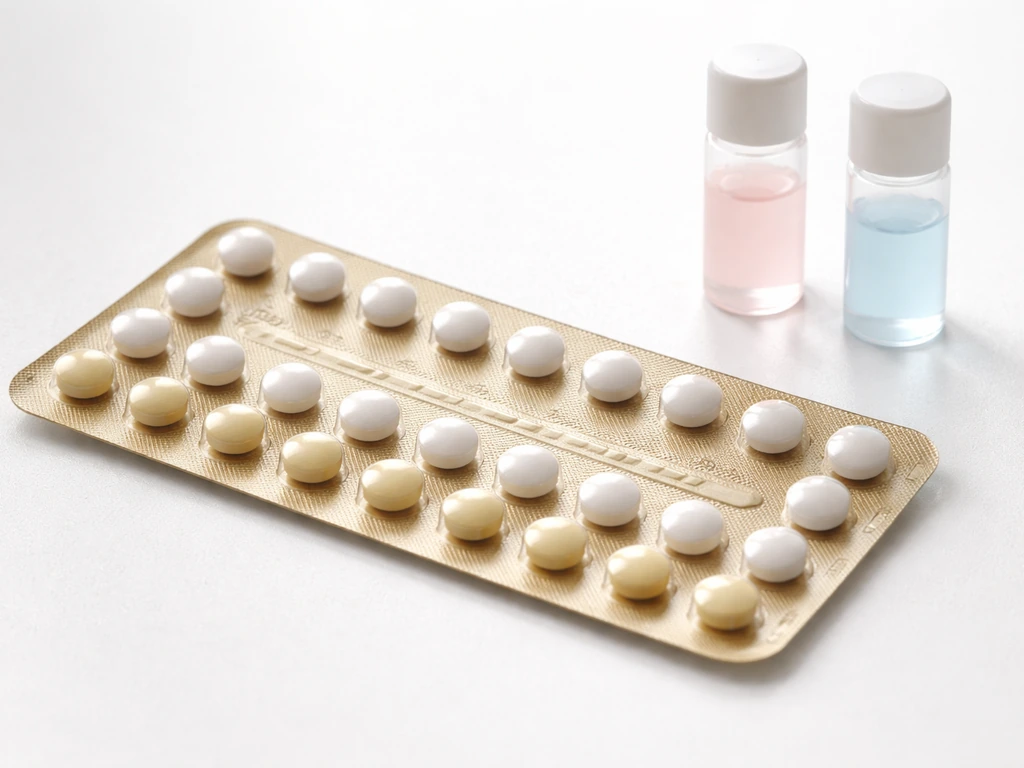
Most combined oral contraceptives contain two types of synthetic hormones: a synthetic estrogen (most commonly ethinyl estradiol, or EE2) and a synthetic progestin (such as levonorgestrel, norethindrone, or drospirenone). These are engineered to mimic the molecular signals that regulate the human reproductive cycle by binding to specific hormone receptors in human tissue.
Plants don't have estrogen receptors or progesterone receptors. Their hormonal toolkit is entirely different: auxins (like IAA) control root and stem elongation, gibberellins regulate germination and fruit development, cytokinins promote cell division, abscisic acid manages stress responses, and ethylene controls ripening and senescence. None of these pathways have meaningful overlap with synthetic mammalian sex hormones. Dropping ethinyl estradiol into your soil is a bit like trying to unlock a deadbolt with a car key. It's a key, sure, but it's not the right one.
There's also a dose problem. A standard combined pill contains roughly 20 to 35 micrograms of ethinyl estradiol. Even if that compound had some trace interaction with a plant, you'd be distributing that tiny amount through a pot of soil or a garden bed, diluting it to the point of irrelevance. It's not a meaningful concentration for any biological effect.
And then there's breakdown. EE2 is not stable once it enters soil or water. Its degradation depends heavily on conditions: in sunlit water it can break down in a matter of hours, but in darker, less oxygenated environments it persists much longer. PubChem reports ethynyl estradiol [photodegradation half-lives of about 2.
0 hours in river water under xenon-arc irradiation](https://pubchem. ncbi. nlm. nih.
gov/compound/ethinyl%20estradiol) and about 341. 7 hours in air-saturated purified water. Levonorgestrel degrades in soil through microbial activity, but the rate depends on microbial populations and the concentration present. A levonorgestrel soil study found that its degradation rate is concentration-dependent and driven by microbial activity, which helps explain environmental persistence [degrades in soil through microbial activity](https://pubmed.
ncbi. nlm. nih. gov/22471977/).
The point is: whatever tiny amount of hormone reaches your soil is going to be competing against degradation before it ever reaches a root cell.
Risks you should actually think about
Even if birth control pills did nothing positive for plants, they wouldn't necessarily do nothing at all. There are real reasons not to add pharmaceutical hormones to garden soil.
- Soil microbiome disruption: Soil health depends on billions of bacteria and fungi doing their jobs. Synthetic endocrine-disrupting compounds like EE2 and levonorgestrel can affect microbial communities even at low concentrations, and your soil's microbiome is one of the most important factors in plant health.
- Water contamination risk: EE2 is poorly volatile from moist soil, meaning it doesn't evaporate off. Instead, it can leach into groundwater or run off into surface water, where it's a well-documented endocrine disruptor for aquatic life, especially fish.
- Edible garden concerns: If you're growing vegetables or herbs, you really don't want pharmaceutical hormones cycling through your soil, being taken up through roots, and potentially ending up in food you eat.
- No approved use: There's no horticultural research or regulatory approval supporting birth control pills as a plant treatment. You'd essentially be running an uncontrolled experiment with known endocrine-disrupting compounds in your outdoor environment.
This isn't meant to be alarmist. Crushing one pill into a pot of soil isn't going to poison your neighborhood. But it's also not harmless, and there's zero upside to justify even the small risk.
Hormone-like inputs that gardeners actually use (and that work)
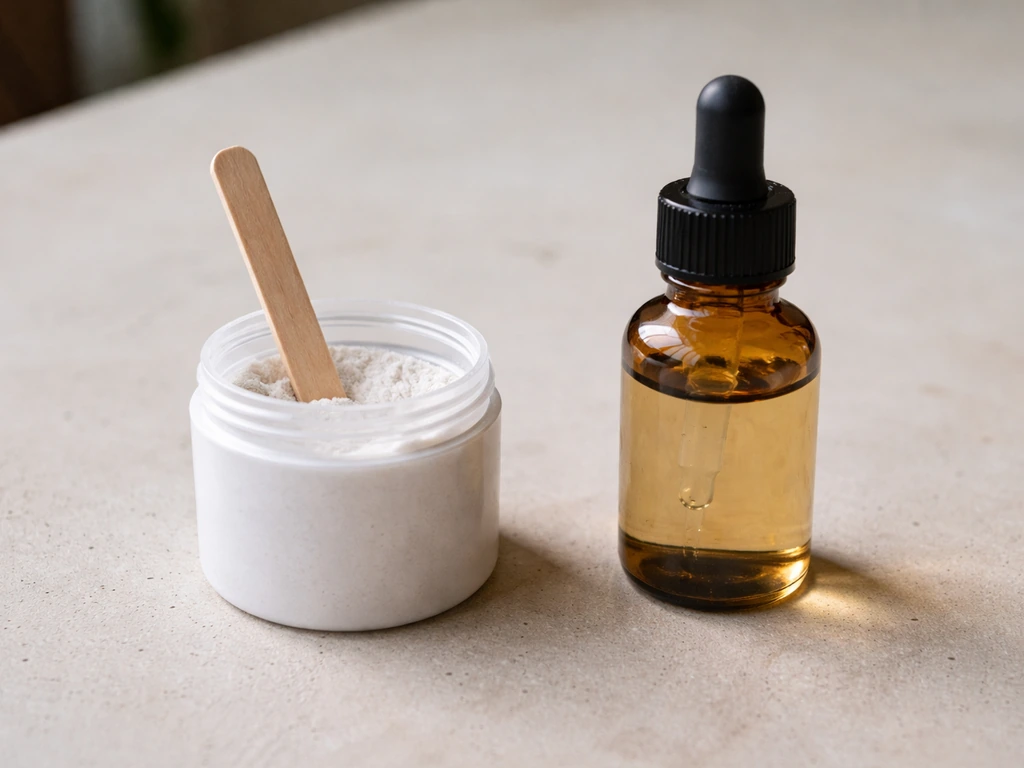
If you're interested in the hormonal side of plant growth because you want to propagate cuttings, improve germination, or boost vigor, good news: there are real products that do exactly that, because they target actual plant hormone pathways.
| Product / Input | Active Compound | What It Does | Where to Use It |
|---|---|---|---|
| Rooting powder or gel | Indole-3-butyric acid (IBA) or NAA | Stimulates root initiation on cuttings by acting on auxin pathways | Dip cut stems before planting in propagation mix |
| Seaweed extract / kelp meal | Natural cytokinins and auxin precursors | Promotes cell division, root branching, and stress recovery | Foliar spray or soil drench; works on most plants |
| Gibberellic acid (GA3) | Gibberellin | Breaks dormancy, improves germination, can increase fruit size | Seed soak or foliar spray; used by commercial growers |
| Mycorrhizal inoculants | Beneficial fungi (not hormones, but synergistic) | Dramatically increases nutrient and water uptake efficiency | Mix into planting hole or apply to roots at transplant |
| Balanced fertilizer (NPK) | Nitrogen, phosphorus, potassium | Provides the macronutrients that drive photosynthesis and growth | Follow label rates based on your plant's stage and needs |
Rooting hormone products like IBA are the closest real-world parallel to what people imagine birth control pills might do. They actually work because IBA is an auxin analog that triggers root cell differentiation. You can find it at any garden center. It's inexpensive, well-studied, and designed to interact with plant biology, not human biology.
If your plant is struggling, start here
Slow or stunted growth almost never comes down to a missing miracle ingredient. For orchids, the right soda is not a helpful ingredient, but consistent light, airflow, and a balanced orchid fertilizer do support healthier growth what soda helps orchids grow. In my experience, 90% of cases trace back to one of five fixable problems. Before you try anything unconventional, run through this checklist.
- Check your light: Most growth problems in houseplants and even garden beds trace back to insufficient light. Measure the hours of direct vs. indirect light your plant actually receives. If it's a sun-lover getting three hours, that's your answer.
- Test or assess your soil: Compacted, depleted, or waterlogged soil kills growth regardless of what you add to it. Grab an inexpensive pH test kit. Most vegetables and flowering plants want pH 6.0 to 7.0. Outside that range, nutrients become unavailable even if they're present.
- Review your watering schedule: Overwatering is more common than underwatering and causes roots to suffocate. Check that your soil dries slightly between waterings for most plants. Lift the pot; heavy means wet, light means dry.
- Feed with a real fertilizer: If your plant has been in the same soil for more than a year, it's probably nutrient-depleted. A balanced slow-release fertilizer (like a 10-10-10 granular or a liquid balanced NPK) will do more for growth in a week than any folk remedy.
- Look for pests and disease: Check the undersides of leaves for spider mites, scale, or fungus gnats. A plant fighting off a pest infestation redirects energy away from growth. A systemic issue will undermine everything else you do.
- Consider temperature and humidity: Many tropical houseplants stall below 60°F or in very dry indoor air. If your plant is near a cold window or an air conditioning vent, that alone can halt growth.
These are the same fundamentals that experienced growers come back to every time a plant disappoints. The search for a secret ingredient is understandable, especially given how many 'does X help plants grow' claims circulate online, whether it's birth control pills, baking soda, soda, or other household items. Baking soda is one of those common claims too, and it's not a dependable way to help plants grow.
Some of those have small niche uses; most don't hold up to scrutiny. What always holds up is getting the basics right: light, water, soil, and nutrients in the right balance for your specific plant. Dish soap is not a plant growth stimulant, so it is unlikely to help your plants grow dish soap help plants grow.
If you've worked through that checklist and still aren't seeing results, the next step is a soil test through your local cooperative extension office. For under $20 you'll get a detailed readout of nutrient levels and pH, which tells you exactly what to add rather than guessing. That's the kind of targeted intervention that actually moves the needle.
FAQ
Can I use crushed birth control pills in a small pot to help cuttings root faster?
It still is not a good idea. Rooting success depends on using auxin-based products like IBA or NAA, with the right concentration and application method (for example, quick dip and then appropriate rooting medium). Birth control pills target human hormone pathways, and the dose you would actually expose roots to is far too diluted and unpredictable.
What if I only dissolve a pill in water and water the plant with it?
Dissolving does not fix the underlying mismatch. Plant responses require the correct signaling molecules in the correct form and concentration. Also, pharmaceutical residues can distribute unevenly in soil, and any trace effect, even if it happened, would be unreliable compared with standard fertilizers and labeled plant-growth products.
Are there any plant types that might respond to the hormones in birth control pills?
There is no reliable, evidence-based reason to expect a benefit across plant types. Plants use different hormone systems (like auxins and gibberellins) and lack the specific receptors that synthetic human sex hormones are designed to bind, so the effect would be mostly absent or inconsistent.
Could birth control pills at least make plants greener, even if they do not increase growth?
If there were an effect at all, it would be indirect and unpredictable. Brightening foliage is usually tied to nitrogen availability, adequate light, and correct pH, not external mammalian hormones. If leaves look pale or dull, a soil or leaf nutrient check is the faster path.
How much would be “too much” if someone tried it anyway?
There is no safe or recommended amount because it is not formulated for plant use. Beyond lack of benefit, adding pharmaceuticals can disrupt soil biology and can increase the chance of unintended stress. If you have already tried it, stop immediately and focus on recovery steps like consistent watering and balanced fertilizer, not more additives.
Is there a risk to pets, kids, or local wildlife if I add pills to soil?
Yes. Even though one pill is unlikely to poison a neighborhood, pharmaceuticals can be ingested by pets or scavengers, and they can enter waterways through runoff. Keeping medications out of garden soil reduces both accidental exposure and environmental contamination.
What should I do if I already mixed pills into a garden bed?
Remove plant matter and any visible pill pieces, stop further dosing, and let the area run with normal watering practices to minimize concentrated residue. Over time, compounds will degrade, but the safest approach for ongoing gardening is to switch back to standard nutrients and, if problems persist, get a soil test.
What is the closest legitimate alternative to “hormone help” for plants?
For rooting, use commercial auxin products such as IBA (often sold as gels, powders, or liquids) because they are designed for plant tissues. For other goals, use products that target specific plant processes, like gibberellin-based treatments for certain crops, always following the label instructions.
If my plant is stunted, what is the fastest way to find the real cause?
Do a structured check: confirm light level, watering frequency, soil drainage, and nutrient balance, then verify with a soil test if nothing changes. A pH mismatch or a missing macronutrient (like nitrogen or potassium) can mimic “needs a miracle ingredient” symptoms, and testing prevents wasting time on ineffective hacks.
Next Articles
Does 7Up Help Plants Grow? What to Know and Safer Alternatives
Test whether 7Up boosts plant growth, why sugar and acids harm, risks, and safer fixes for yellow leaves or slow growth.
What Soda Helps Orchids Grow? The Truth and Fixes
Debunks soda myths for orchids and gives a science-backed plan to fix light, watering, feeding, and root health.
Does Dish Soap Help Plants Grow? What It Actually Does
Dish soap does not help plants grow. Learn how it harms leaves and soil, plus safer fixes for growth or pests.