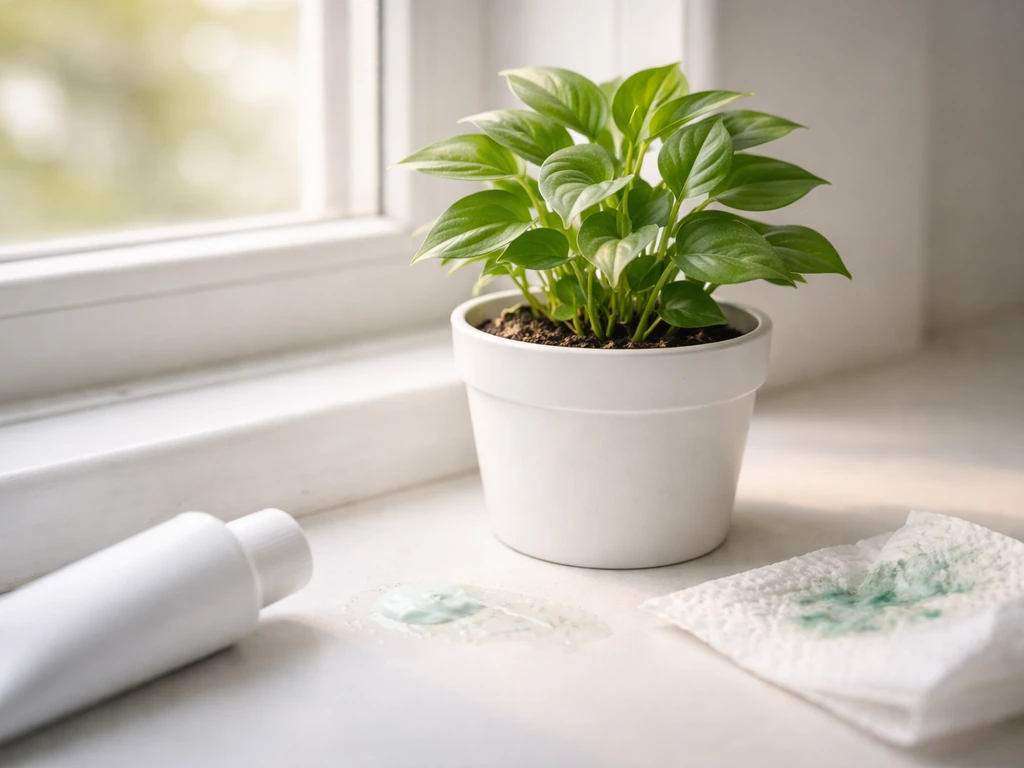
Toothpaste does not help plants grow. So, if you are wondering, does sprite help plants grow, the same caution applies: it is not a reliable plant booster and can harm soil or plant health. There is no credible evidence that any ingredient in toothpaste benefits plant health, and blank" rel="noopener noreferrer">a published pilot study found that toothpaste exposure was toxic to money plants (Epipremnum aureum), causing visible injury and discoloration. If you have already applied toothpaste to your soil, the good news is that the damage is usually reversible with prompt flushing and a bit of monitoring. If you have not tried it yet, skip it entirely and put that energy into something that actually moves the needle.
Does Toothpaste Help Plants Grow? What to Do Instead
Marcus Holloway
13 Jun 2026
Why toothpaste seems like it might work (and why that logic falls apart)
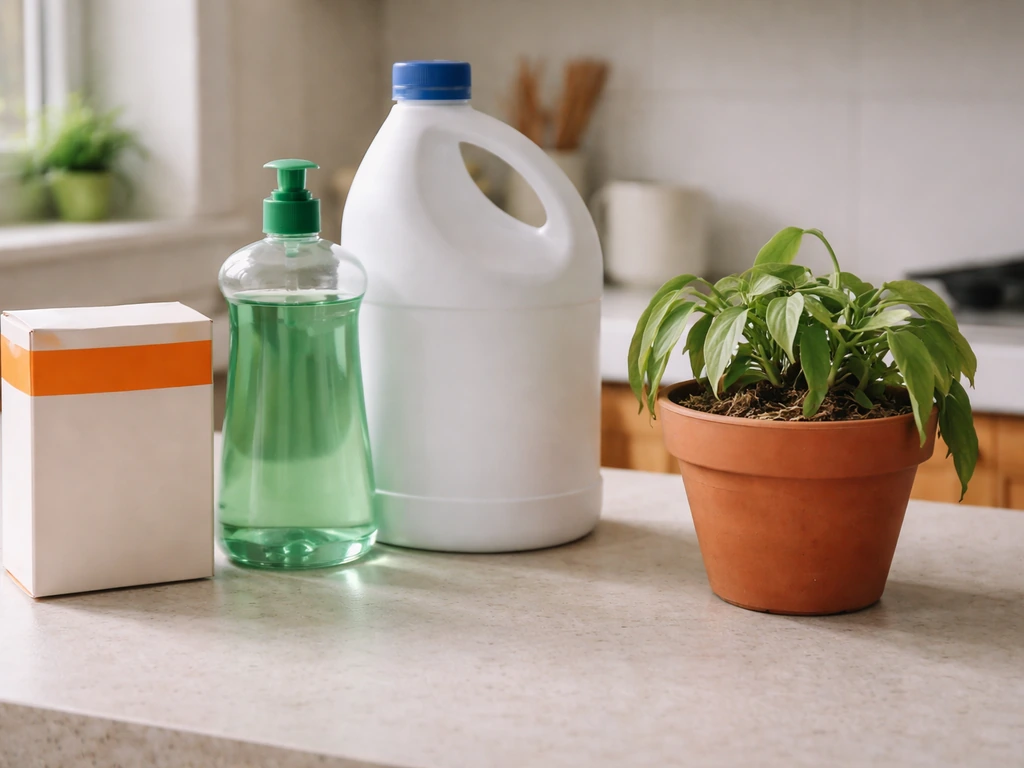
The idea probably starts with the same logic behind baking soda, bleach, or dish soap as plant boosters: household products contain chemicals, plants respond to chemicals, so maybe there is some crossover magic. Toothpaste in particular contains fluoride, which is a mineral, and minerals are nutrients, so the leap feels almost reasonable. Some people notice their plant looks perkier for a day or two after watering with a toothpaste solution and chalk it up as a win.
The reality is more mundane. A short-term change in soil moisture or a coincidental improvement in watering frequency is almost always the actual explanation. Plants do not benefit from fluoride supplementation the way humans do, and the other ingredients in toothpaste (detergents, abrasives, humectants, preservatives) have no business being in your potting mix. Apparent improvements rarely hold up past a week or two, and by then the damage underneath may already be underway.
What is actually in toothpaste and what it does to your soil
Breaking down a typical toothpaste label gives you a clearer picture of why this idea goes sideways fast. These are not neutral compounds when they end up in a root zone.
| Ingredient | Role in Toothpaste | Likely Effect on Soil or Plants |
|---|---|---|
| Fluoride (sodium fluoride or MFP) | Cavity prevention | Taken up by roots via diffusion; toxicity is species-dependent and can cause leaf tip burn at elevated concentrations |
| Sodium lauryl sulfate (SLS) | Surfactant/foaming agent | Disrupts cell membranes in soil microbes; can inhibit beneficial microbial activity at higher concentrations |
| Sorbitol / Glycerin | Humectant/sweetener | Raises osmotic pressure in soil solution, potentially reducing water availability to roots |
| Hydrated silica | Mild abrasive | Relatively inert in soil but adds no nutritional value; can alter texture if applied in large amounts |
| Sodium compounds (bicarbonate, saccharin, etc.) | Flavoring, preservative, pH buffer | Can raise soil pH and contribute to sodium accumulation, both of which harm nutrient availability and soil structure |
| Preservatives / Binders | Stability/texture | Little studied in soil contexts; no known plant benefit |
The sodium component deserves special attention. Excess sodium breaks down soil aggregates, reduces drainage, and creates osmotic stress that prevents roots from taking up water even when the soil is moist. Penn State research specifically calls out excess sodium as damaging to soil structure around roots. A roughly 1% sodium bicarbonate solution hits a pH of about 8.5, which is well above the 6.0 to 7.0 sweet spot where most nutrients are available to plants. Shift the pH that far and your plant cannot absorb iron, manganese, or phosphorus properly regardless of what else is in the soil.
When toothpaste use can genuinely harm your plants
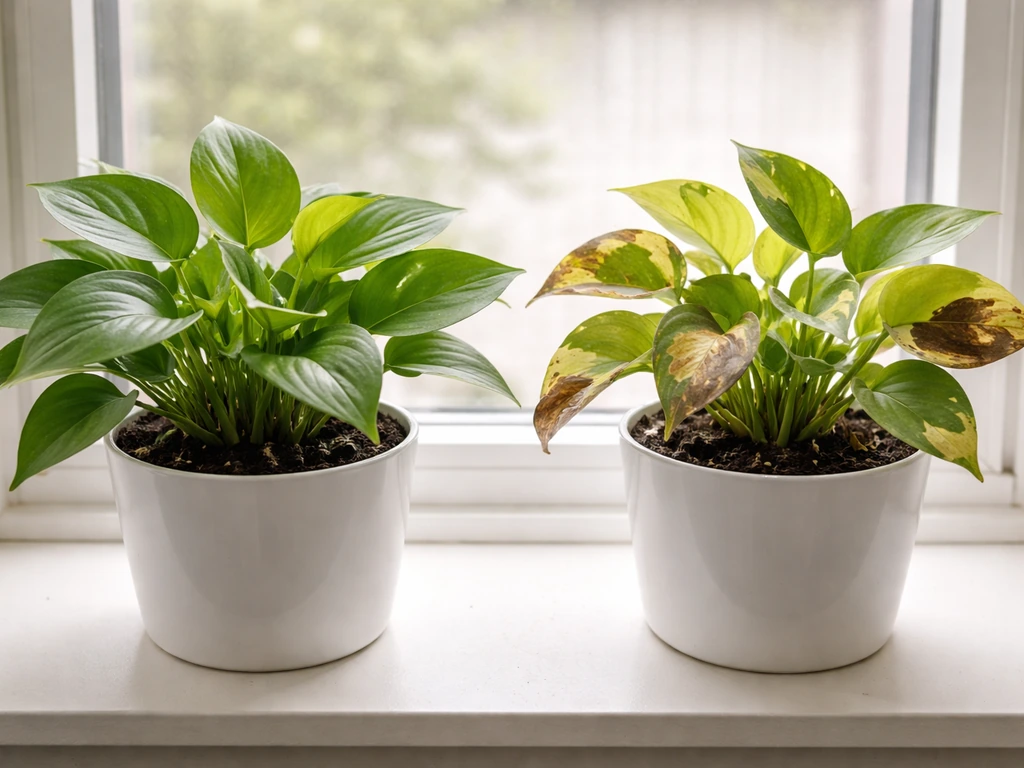
Harm is not just theoretical here. The observational pilot study on money plants documented real injury: discoloration, physical damage to plant tissue, and reduced survival. The researchers were honest that they could not fully explain the cellular mechanism and called for follow-up studies, but the observable outcome was clear. Here are the main risk scenarios.
- Fluoride toxicity: Sensitive species (spider plants, dracaenas, prayer plants) are especially prone to fluoride-induced leaf tip burn. The WHO reports that soil fluoride at around 22 mg/kg can already affect grain yield in wheat, and toothpaste adds fluoride in a concentrated, water-soluble form directly to a small root zone.
- Salt/osmotic stress: Toothpaste introduces sodium compounds that lower water availability in soil. Plants show this as wilting, leaf margin browning, and leaf curl even when the soil looks wet. Injury thresholds for chloride toxicity in plants start around 350 mg/L in water.
- Surfactant disruption: SLS and similar detergents can damage the beneficial fungal and bacterial communities that help roots absorb nutrients. Disrupting soil microbes is a slow harm that shows up weeks later as general decline rather than an obvious single symptom.
- pH shift: Alkaline toothpaste ingredients can push soil pH up enough to lock out key nutrients, mimicking a deficiency that no amount of fertilizer will fix until the pH is corrected.
- Residue buildup: In a potted plant, there is nowhere for these compounds to go. Unlike a garden bed with significant soil volume, a container concentrates any toxin with each application.
What to do if you already applied toothpaste
Do not panic, but do act quickly. The biggest priority is getting those soluble compounds out of the root zone before they accumulate further.
- Flush the soil thoroughly. Take the pot to a sink or outside and water it slowly and deeply, letting water drain completely from the bottom. University of Maryland Extension recommends applying about 1 inch of water, waiting for it to drain, and repeating this 3 to 4 times. For garden beds, Utah State University Extension data shows that applying 6 inches of water reduces soluble salt levels by roughly 50%, 12 inches by about 80%, and 24 inches by about 90%.
- Consider repotting if you used a significant amount. If you applied toothpaste multiple times or in high concentration, the safest move for a potted plant is to shake off as much old soil as possible, rinse the roots gently, and repot into fresh, balanced potting mix. It is more work, but it gives you a clean slate.
- Monitor for the next 2 to 3 weeks. Watch for wilting that does not respond to normal watering, brown or crispy leaf margins, yellowing starting at older leaves (which can signal nutrient lockout from pH change), or a change in soil smell that might indicate microbial disruption.
- Check the soil pH if you have a meter or test kit. If pH has climbed above 7.5, a soil acidifier like sulfur or an acidifying fertilizer can help bring it back into range.
- Hold off on fertilizing immediately. Adding fertilizer on top of a stressed root system compounds the problem. Let the plant stabilize for a week or two after flushing before resuming a normal feeding schedule.
What actually helps plants grow (use this instead)
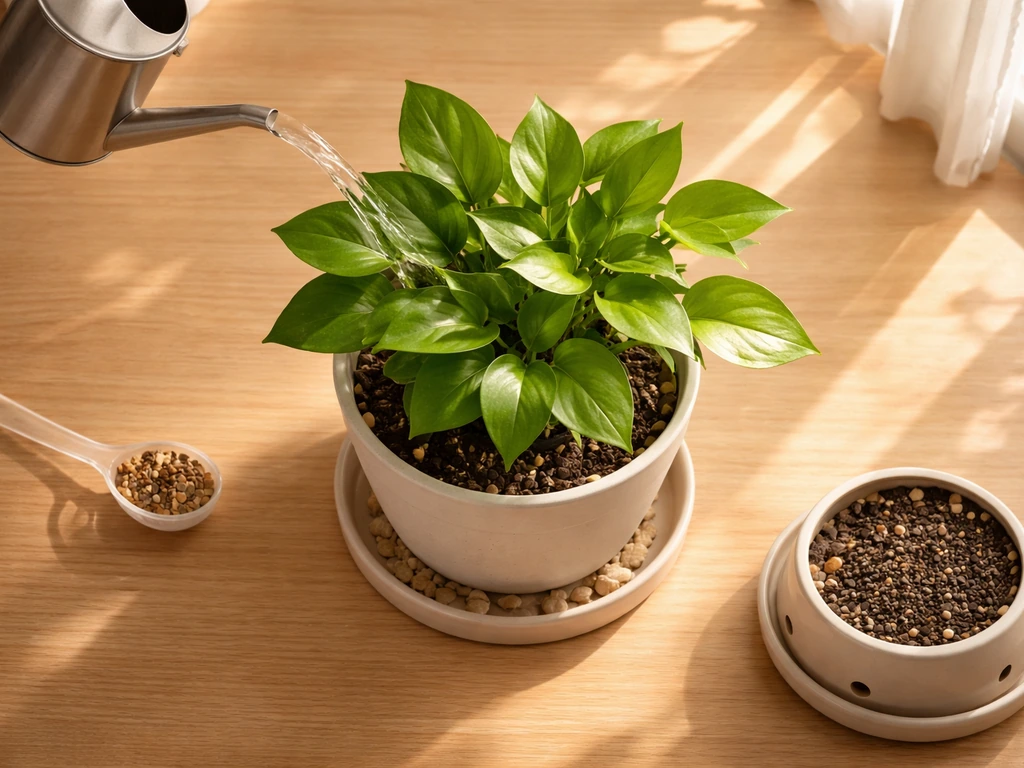
If your plant is struggling and toothpaste crossed your mind, the real fix almost certainly lives somewhere in these four areas: light, water, nutrients, or root space. In contrast, can birth control pills help plants grow? There is no credible evidence that they do, and using them risks introducing unnecessary chemicals to your soil light, water, nutrients, or root space. Diagnosing which one is your actual bottleneck takes about five minutes and costs nothing.
- Light first: University of Minnesota and University of Missouri Extension both flag low light as a major, commonly overlooked cause of slow or leggy growth. Long gaps between leaf nodes and pale, reaching stems are the tells. Move the plant closer to a window or add a grow light before touching anything else.
- Watering consistency: Irregular watering causes stress that looks like a nutrient problem. Most houseplants want to dry out slightly between waterings rather than sit in constantly wet or bone-dry soil.
- Soil quality and fresh potting mix: Old potting mix compacts, loses its structure, and stops draining well. Repotting every 1 to 2 years into a fresh, quality mix makes a bigger difference than any additive.
- Balanced fertilizer: Oregon State University Extension recommends starting with a soil test and using the results to choose the right fertilizer type and rate. A balanced, water-soluble fertilizer at half-strength every 2 to 4 weeks during the growing season is usually all most houseplants need.
- Compost or worm castings: These improve soil structure, feed beneficial microbes, and provide a slow release of micronutrients without the risk of burning roots.
- Pot size: A plant stuck in a pot that is too small will stall regardless of what you put in the soil. If roots are circling the bottom or poking out of drainage holes, size up by 1 to 2 inches in diameter.
Toothpaste vs other home remedy myths: how they compare
Toothpaste sits in a crowded category of household products that curious gardeners have tested on plants, and it is worth understanding why some of these myths have more legs than others. Baking soda, for example, does have a narrow legitimate use as a mild fungicide on leaf surfaces, though it can still cause soil pH problems at higher concentrations. Dish soap has a long history as a diluted insecticidal spray because surfactants disrupt soft-bodied insects, but the same mechanism that harms insects can stress plant tissues and soil microbes if overused. Dish soap is sometimes discussed as a plant booster, but the safest guidance is to avoid using it as a growth remedy dish soap has a long history. Sodas, sprite, and similar drinks come up regularly too, usually because of the sugar or carbonation angle, but sugar feeds soil pathogens more than it feeds plants.
Toothpaste is one of the worse options in this space because it combines multiple potentially harmful ingredients in one product: surfactants, sodium compounds, pH-altering agents, fluoride, and humectants that can affect soil osmotic balance. There is no single redeeming ingredient that offsets those risks, unlike, say, a very dilute dish soap spray on aphids where the use case is targeted and temporary. The closest analogy is using bleach in the root zone. Does bleach help plants grow? In most cases, it can do more harm than good when used around roots bleach in the root zone. It might kill something, but not the something you want dead.
The pattern across all these myths is that they persist because gardeners are observant, plants are variable, and confirmation bias is powerful. You water your plant with a toothpaste solution, it looks fine the next day, and you credit the toothpaste. You do not credit the extra water you happened to give it, the warmer weather that week, or the fact that the plant was already on an upswing. Science-backed inputs like proper fertilization, correct light, and good soil do not have that storytelling appeal, but they are the ones that actually move the needle consistently. University of Missouri Extension also explains that low light is linked to slowed growth and offers practical signs to tell light deficiency apart from other causes correct light.
FAQ
If toothpaste has fluoride, why doesn’t that help plants the way it helps humans?
Plants do not use fluoride as a nutrient. Even if trace amounts are present in soil, many toothpaste ingredients can still shift soil chemistry or stress roots, so any theoretical “mineral boost” is outweighed by practical harm risks.
What should I do right after realizing I added toothpaste to my plant’s soil?
Flush the pot thoroughly with clean water to move dissolved compounds out of the root zone. Then let the soil drain completely, and avoid fertilizing for at least a couple of weeks so you do not compound stress while the pH and salt balance recover.
Can I dilute toothpaste enough that it becomes safe for plants?
No dilution target is considered safe or reliable because toothpaste contains multiple non-plant-friendly components (abrasives, detergents, humectants, sodium compounds, preservatives). The risk is not just concentration, it is the mix and how it affects soil drainage and root uptake.
Will toothpaste harm plants only in the short term, or can it cause lasting damage?
It can become lasting. Early “perkiness” can mask root zone changes such as disrupted soil structure, salt buildup, or pH drift, which may show up as yellowing, poor growth, or wilting days later.
Is toothpaste worse for some plants than others?
Yes. Money plants (and generally many common houseplants) have shown visible injury in pilot observations, and plants with smaller or more sensitive root systems can be affected sooner because the contaminated solution reaches a higher fraction of the root zone.
How can I tell whether the problem is pH, salts, or something else after toothpaste exposure?
Watch for patterns: pH-related issues often look like new leaf yellowing with slow recovery, salt stress often causes burned leaf edges or persistent droop even when soil is moist. If you can, check soil pH and electrical conductivity (EC) before adding any corrective fertilizers.
Could toothpaste be used on leaves instead of in soil?
Better to avoid it. Leaf sprays still leave surfactants and abrasives on plant tissue and can interfere with stomata, plus residue can attract grime and create uneven drying. If you are trying leaf treatments, stick to targeted options intended for plants (such as appropriate, very mild mixes used on the foliage).
What’s a safer “household-product” alternative if I want to test something quickly?
If your goal is pests, use a targeted approach rather than a growth booster. For example, dilute insecticidal soap made for plants, applied carefully and only to affected areas, is far more controlled than toothpaste or other multi-ingredient products.
If my plant improves after watering, does that mean toothpaste worked?
Not necessarily. Temporary improvement is often explained by extra watering, better light conditions that week, or the plant simply shifting out of a slow phase. If you continue using toothpaste, the cumulative soil effects are what tend to determine the outcome.
Does toothpaste help with fungus or mold on the soil surface?
Do not use it. Many household chemicals can temporarily reduce surface activity while harming beneficial soil microbes or altering pH, which can make the underlying issue return worse. For soil surface mold, focus on airflow, watering practices, and surface-drying strategies first.
Next Articles
Does Bleach Help Plants Grow? Safe Answers for Gardeners
Bleach does not boost plant growth and can harm roots and soil microbes. Learn safer disinfecting and recovery steps.
Can Birth Control Pills Help Plants Grow? Science & Safer Tips
No, birth control pills won’t meaningfully boost plant growth; learn why, safety risks, and better evidence-based tips.
Does 7Up Help Plants Grow? What to Know and Safer Alternatives
Test whether 7Up boosts plant growth, why sugar and acids harm, risks, and safer fixes for yellow leaves or slow growth.