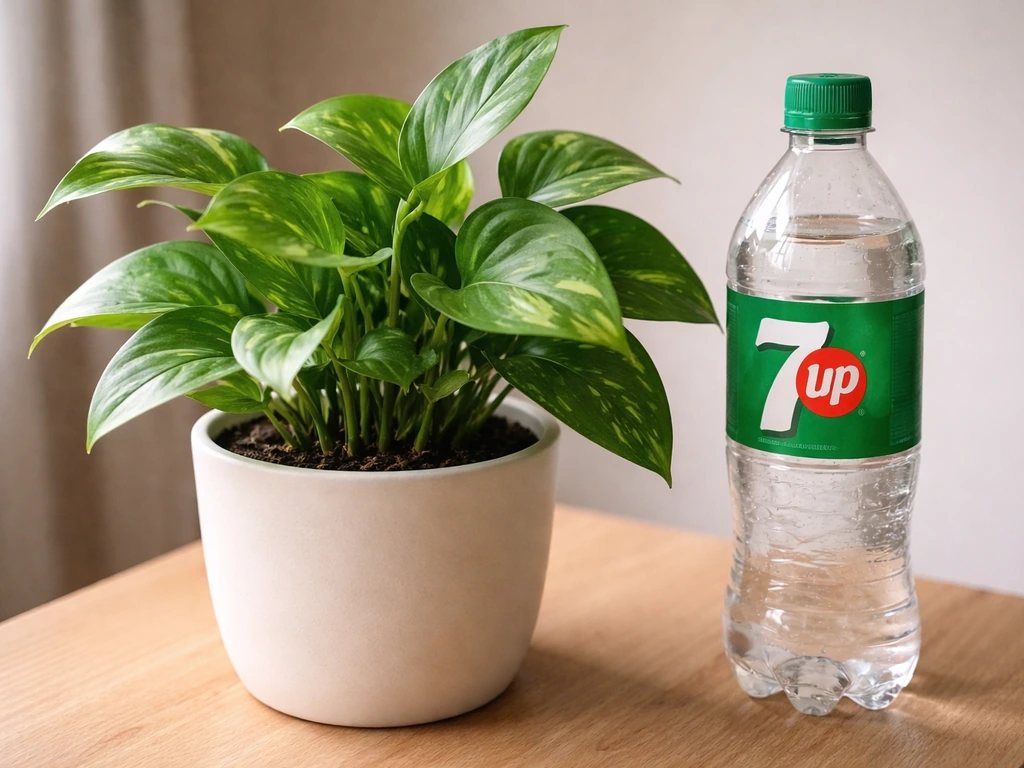
No, watering your plants with 7Up does not help them grow. The sugar, citric acid, sodium, and preservatives in 7Up can actually stress roots, disrupt your soil's microbial community, shift pH in the wrong direction, and invite mold and pests. There's no university or extension research that recommends using soda as a plant fertilizer or growth booster. Sprite does not have evidence-based benefits for helping plants grow either. The claim lives in viral gardening hacks and blog posts, not in plant science.
Does 7Up Help Plants Grow? What to Know and Safer Alternatives

Marcus Holloway
3 Jun 2026
Where this claim comes from

The idea that 7Up helps plants grow has been floating around gardening forums and social media for years. The version I see most often goes something like this: "7Up has electrolytes and sugar that feed plants, and the carbonation aerates the soil." Sometimes people say they use it to revive wilting houseplants or perk up flowers in a vase. Occasionally the claim gets bundled with other kitchen-hack gardening advice, like using diluted dish soap as a pesticide or baking soda as a fungicide treatment.
The kernel of truth people are latching onto is that 7Up does contain some things plants need in trace amounts, specifically potassium (from potassium citrate) and a tiny bit of sodium. That's technically correct. But the concentrations, the surrounding ingredients, and the form those minerals come in are nothing like what a plant actually needs. It's a bit like saying seawater is good for plants because it contains nitrogen. Sure, technically. But the context makes it harmful.
What's actually in 7Up and how plants respond to it
The official 7Up ingredient list includes filtered carbonated water, high fructose corn syrup, citric acid, potassium citrate, natural flavors, potassium benzoate (a preservative), and calcium disodium EDTA. The nutrition label shows about 40 mg of sodium per serving. Let's go through what each of those means for a plant.
High fructose corn syrup
Plants make their own sugar through photosynthesis. They don't absorb sugar through their roots in any meaningful way. What sugar in the soil actually does is feed microbes, and not in a controlled, beneficial way. Research on soil microbiology shows that adding fermentable carbon like sugar rapidly shifts microbial community activity. In a healthy potting mix, that can disrupt the balance of beneficial bacteria and fungi, outcompete the microbes that help with nutrient cycling, and potentially encourage pathogens. You're essentially dumping junk food into a carefully balanced ecosystem.
Citric acid
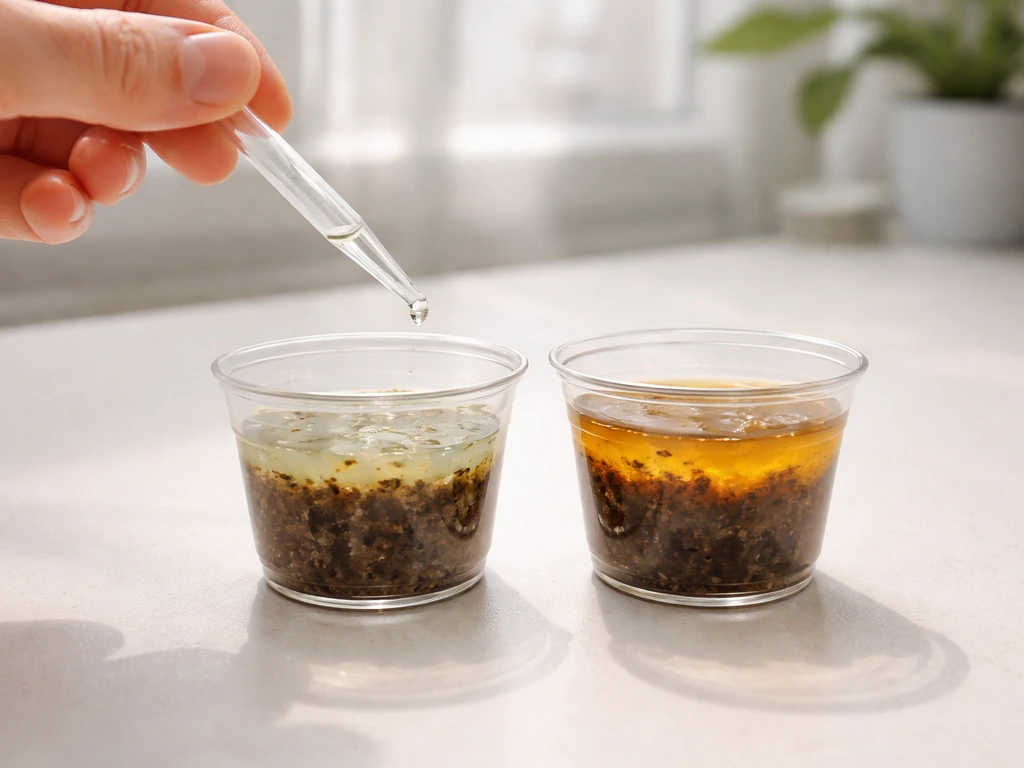
Citric acid will lower the pH of your soil or potting mix temporarily. Whether that's a problem depends on what you're growing and where your pH starts. Most container mixes perform best at pH 5.5 to 6.5. If you're already in that range, acidifying it further with soda can push nutrient availability in the wrong direction. At pH below 5.0, aluminum solubility increases significantly and can become toxic to roots. Organic acids can influence soil pH, but using soda as a pH-adjustment tool is imprecise and risky compared to using a measured amendment like sulfur.
Potassium citrate and sodium
Yes, 7Up contains potassium. But the amount you'd deliver to a potted plant by watering with soda is not calibrated to any plant's actual nutritional needs, and it comes alongside high levels of sugar, acid, and salt. Sodium, even in modest quantities, contributes to electrical conductivity (EC) in the root zone. High EC means the soil solution becomes saltier than the plant's root cells, which makes it harder for roots to absorb water through osmosis. That's the same mechanism behind fertilizer burn, and it causes wilting, leaf tip browning, and stunted growth.
Carbonation
The carbonation in 7Up dissipates almost immediately when poured. It doesn't aerate soil in any practical sense. Soil aeration comes from physical structure, drainage, and organic matter. A fizzy pour isn't going to do what perlite or a good mix does for root oxygen.
Does watering with 7Up, misting, or diluting it actually help?
The three methods that come up most often are watering directly with 7Up, misting leaves with it, or diluting it heavily in water before applying. None of these are recommended, and here's why each one falls apart: If you're wondering whether dish soap helps plants grow, the short answer is that it isn't a reliable fertilizer and can create its own risks in the soil dish soap help plants grow.
| Method | What happens | Verdict |
|---|---|---|
| Watering directly with 7Up | Sugar, acid, and salt hit the root zone in concentrated form; EC spikes; microbial disruption likely | Don't do it |
| Misting leaves with 7Up | Sticky sugar residue on leaves attracts pests (fungus gnats, aphids, ants) and promotes fungal growth; no nutrient uptake benefit | Don't do it |
| Diluting 7Up in water (e.g., 1 part soda to 10 parts water) | Reduces concentration but doesn't eliminate the problem; sugar still feeds the wrong microbes; acid still shifts pH unpredictably | Still not worth it |
| Using flat 7Up in a vase for cut flowers | A mild anecdotal claim; the sugar may feed bacteria that clog stems, which is the opposite of what you want | No reliable benefit |
No controlled university or extension trials support any of these as a growth-improvement technique. Unlike birth control pills, 7Up is not a plant-safe nutrient source, and there are no good reasons to use any pill-based product as a growth booster birth control pills help plants grow. Because of that, you should not expect bleach to help plants grow either No controlled university or extension trials.
No controlled university or extension trials support watering with 7Up as a growth-improvement technique, so it shouldn't be treated as a reliable way to help plants grow. The anecdotes you'll find online are not the same as evidence. Plants are resilient enough that a single diluted application might not visibly harm them, which is probably why people conclude it "worked. " But that's not the same as it actually helping.
Risks and what can actually go wrong
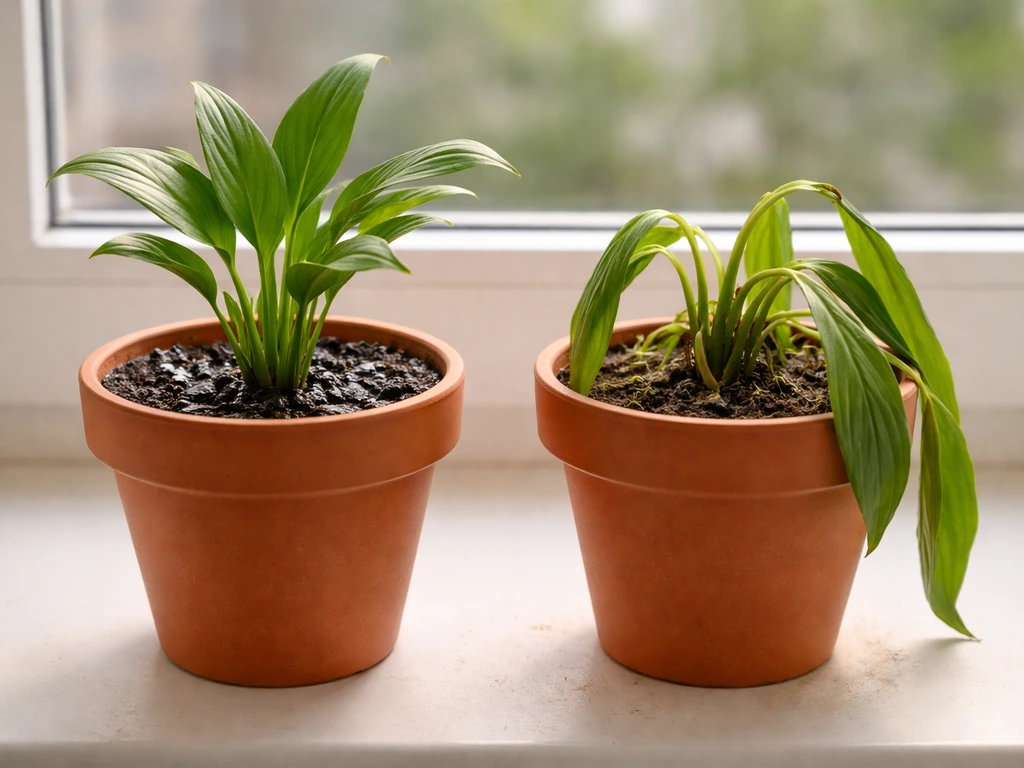
If you use 7Up on plants regularly, here's what you're likely to run into:
- Osmotic stress: High sugar and salt concentration in the root zone pulls water away from roots rather than toward them, causing wilting even when the soil is wet.
- Root burn: The same salt/EC dynamic that causes fertilizer burn can damage root tips, reducing the plant's ability to absorb water and nutrients.
- Soil pH shift: Repeated citric acid additions can push pH below the optimal 5.5–6.5 range for most container plants, locking out nutrients like phosphorus and calcium.
- Microbial disruption: Added sugars rapidly alter soil microbial communities, which can reduce nutrient cycling and open the door to pathogens.
- Pest and mold problems: Sugar residue on the soil surface and on leaves is a magnet for fungus gnats, ants, aphids, and mold.
- Preservative accumulation: Potassium benzoate and calcium disodium EDTA are not plant nutrients and have no established benefit in soil; their long-term effects on soil chemistry are simply unknown.
The risks are not hypothetical. They follow directly from what we know about osmotic stress, soil EC, pH chemistry, and microbiology. This is similar to why adding too much of almost any soluble product, even fertilizer, causes problems: concentration and composition matter enormously in the root zone.
What actually helps plants grow
If your plant is struggling and you're looking for a fix, here are the things that have actual evidence behind them. Most slow growth, yellowing, and drooping traces back to one or more of these fundamentals.
Light
Light drives photosynthesis, which is where plants actually get their energy. If a plant looks pale, leggy, or slow-growing, inadequate light is the most common culprit. Move it closer to a window or add a grow light before reaching for any liquid solution.
Watering correctly
Both overwatering and underwatering cause wilting. The fix is not a different liquid but better timing. For most houseplants, water when the top inch or two of soil is dry, and water thoroughly until it drains from the bottom. This flushes accumulated salts and ensures the whole root zone gets moisture.
Soil pH in the right range
Most container plants do best in the pH 5.5 to 6.5 range. Outside that window, nutrients become unavailable even when they're present in the soil. If you want to adjust pH, use products designed for it: agricultural sulfur to lower pH, ground lime to raise it. If you’re trying to encourage orchids, make sure your potting mix stays in the orchid-friendly pH range and water and feeding match the plant’s needs what soda helps orchids grow. These are cheap, predictable, and won't introduce sugar or preservatives.
Balanced fertilizer
If your plant is genuinely nutrient-deficient (yellow leaves with specific patterns, stunted new growth, purple-tinged leaves), a balanced liquid fertilizer at the recommended rate is the right tool. Look for an N-P-K ratio appropriate for your plant type. Houseplant fertilizers typically run something like 20-20-20 or 10-10-10 for general use. Follow label rates: more is not better, and overfeeding causes the same salt stress as 7Up does.
Drainage and soil structure
Poor drainage leads to root rot, which is often misdiagnosed as underwatering. Make sure your pots have drainage holes, your potting mix isn't compacted, and you're not letting plants sit in standing water. Adding perlite to a heavy mix improves drainage and gives roots the oxygen they need.
If you're comparing 7Up to other kitchen-hack options, it's worth noting that some alternatives like diluted club soda (plain carbonated water with no sugar or acid) or very diluted fertilizer teas are considerably less risky. But even those shouldn't replace a proper watering and fertilizing routine. Similarly, while baking soda and dish soap have some narrow, specific uses in plant care, they're also easy to misapply and cause damage. The pattern is the same: food and household products aren't designed for plant nutrition, and the results are unpredictable.
If you already watered with 7Up: how to recover
If you've already tried this and you're now worried about your plant, here's what to do:
- Flush the soil immediately. Water the pot thoroughly with plain, room-temperature water until water runs freely out of the drainage holes. Do this two or three times in succession. This leaches out dissolved sugars, acids, and salts from the root zone. This is the same approach used to manage salt injury in container media.
- Let the soil dry appropriately before watering again. Don't overwater in an attempt to "dilute" the soda further. Once you've flushed, let the top inch or two dry out before the next watering.
- Check for visible stress signs over the next 7 to 14 days. Look for wilting that doesn't recover after watering, yellowing leaves starting at the tips or edges, or a white crusty residue on the soil surface. These signal salt stress or pH disruption.
- Check soil pH if you have a tester. If your pH has dropped below 5.5, consider a small application of lime to bring it back into range.
- If you misted leaves with 7Up, wipe them down with a damp cloth to remove the sugar residue. This reduces the risk of fungal growth and discourages pests.
- Resume a normal watering and, if needed, fertilizing schedule once the plant looks stable. Don't add fertilizer immediately after flushing; wait until the plant shows signs of recovery first.
Most healthy plants will recover from a single application of diluted 7Up, especially if you flush the soil quickly. The risk increases with repeated applications, plants that are already stressed, or small containers where the soil-to-liquid ratio means the soda has a proportionally bigger effect. If your plant was already in poor shape before you tried the soda hack, focus on diagnosing the underlying issue (light, drainage, or actual nutrient deficiency) rather than reaching for another shortcut.
FAQ
If I already watered with 7Up once, should I worry or can my plant recover?
It can help in the sense that a one-time use may not cause visible harm, especially in larger pots. The better approach is to flush the root zone right away: run clean water through the pot until excess drains out, then resume normal watering when the top inch or two dries. Repeated dosing is the bigger problem because it steadily raises salt and shifts chemistry in the pot.
Does misting leaves or pouring it into the soil help with aeration or wilting?
Do not treat it as an “aeration” method. Carbonation dissipates quickly, so misting or pouring fizz is unlikely to improve oxygen availability. Focus instead on soil structure and drainage (right pot size, drainage holes, airy mix ingredients like perlite) if the plant seems wilted or slow to root.
My plant looks stressed, what should I do instead of trying another soda dose?
For most houseplants, you want to diagnose the underlying cause first, since 7Up will not reliably correct it. Check light level, watering timing, drainage, and soil pH range (many containers do best around pH 5.5 to 6.5). If you see true nutrient deficiency signs, switch to a balanced fertilizer at label rate rather than trying another kitchen remedy.
What’s the safest next step after a soda treatment to reduce salt buildup?
If you want a real safety step, measure and control salt exposure indirectly. Flush with plain water, then let the pot drain fully, avoid “feeding” for a couple of weeks, and watch for fertilizer-like symptoms such as leaf tip browning, crispy edges, slowed growth, or persistent wilting.
Is using 7Up more dangerous for small pots or certain soil types?
Yes, the risk is higher for small containers and tightly compacted mixes because the same amount of sugar and acid creates a higher concentration in the root zone. If your plant is in a very small pot or a dense mix, assume the impact will be more intense and flush sooner rather than waiting.
Can 7Up cause mold in houseplant soil, and how do I handle it?
Sugar and preservatives can feed or disrupt soil microbes, increasing the chance of mold problems, especially on the soil surface. Remove any visible moldy top layer, improve airflow and watering habits (water thoroughly, then let the top layer dry), and avoid adding any more sugary liquids.
Does 7Up provide nutrients like potassium, so it could replace fertilizer?
If you’re trying to raise nutrients, 7Up is not a controlled fertilizer. What matters is nutrient form and delivery rate (N-P-K plus micronutrients) at the plant’s needs. Use a fertilizer made for the plant type, and follow label dilution and frequency to avoid salt stress.
If I dilute 7Up a lot, is it then safe and useful for plants?
Dilution reduces the intensity, but it does not remove the core issues, sugar, salt, and acid can still alter pH and increase EC in the root zone. Also, preservatives remain in the product, so “very diluted” is still an unpredictable amendment compared with measured fertilizers or pH adjustments.
Can 7Up be used to lower or raise soil pH safely?
7Up is not a reliable way to fix pH for most plants. Acidic ingredients can temporarily shift pH, but the change is imprecise and can overshoot depending on your starting pH, buffering, and water hardness. Use agricultural sulfur to lower pH or lime to raise it, and adjust gradually based on results.
How can I tell whether 7Up “worked” for my plant or just temporarily hydrated it?
Most “plants perking up” reports are consistent with temporary effects like hydration, and plants can tolerate a single odd event. Confirmation requires checking longer-term growth, new leaf color, and whether symptoms improve without recurrence. If you see ongoing stunting or leaf edge damage, that points to stress rather than benefit.
Next Articles
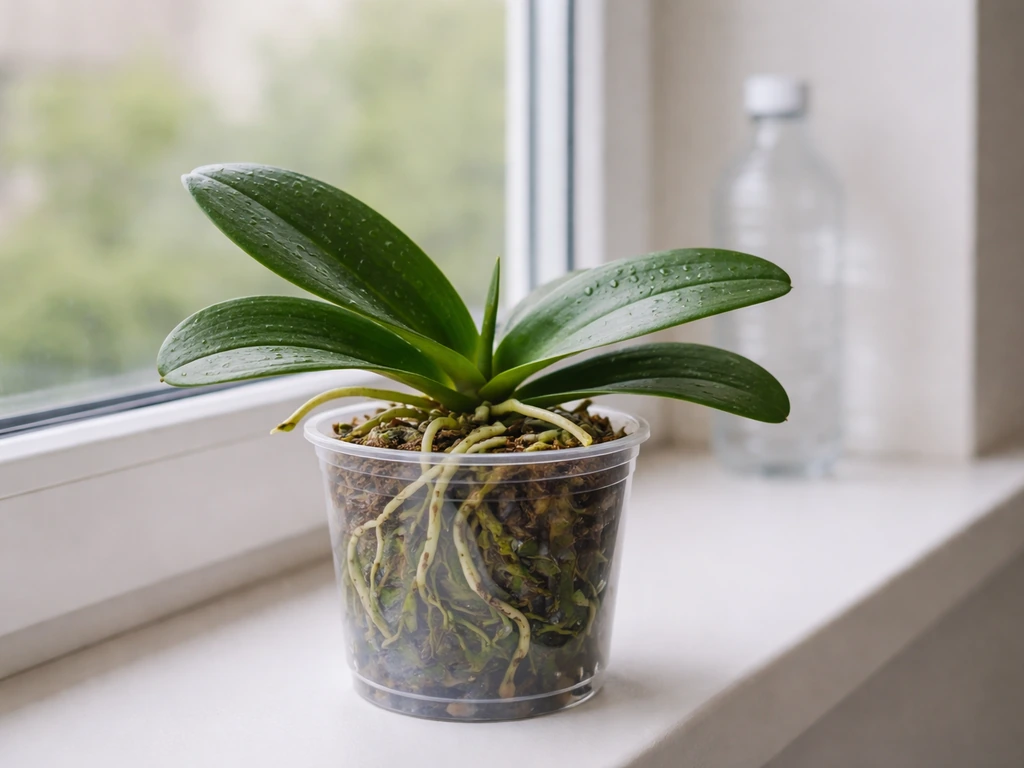
What Soda Helps Orchids Grow? The Truth and Fixes
Debunks soda myths for orchids and gives a science-backed plan to fix light, watering, feeding, and root health.
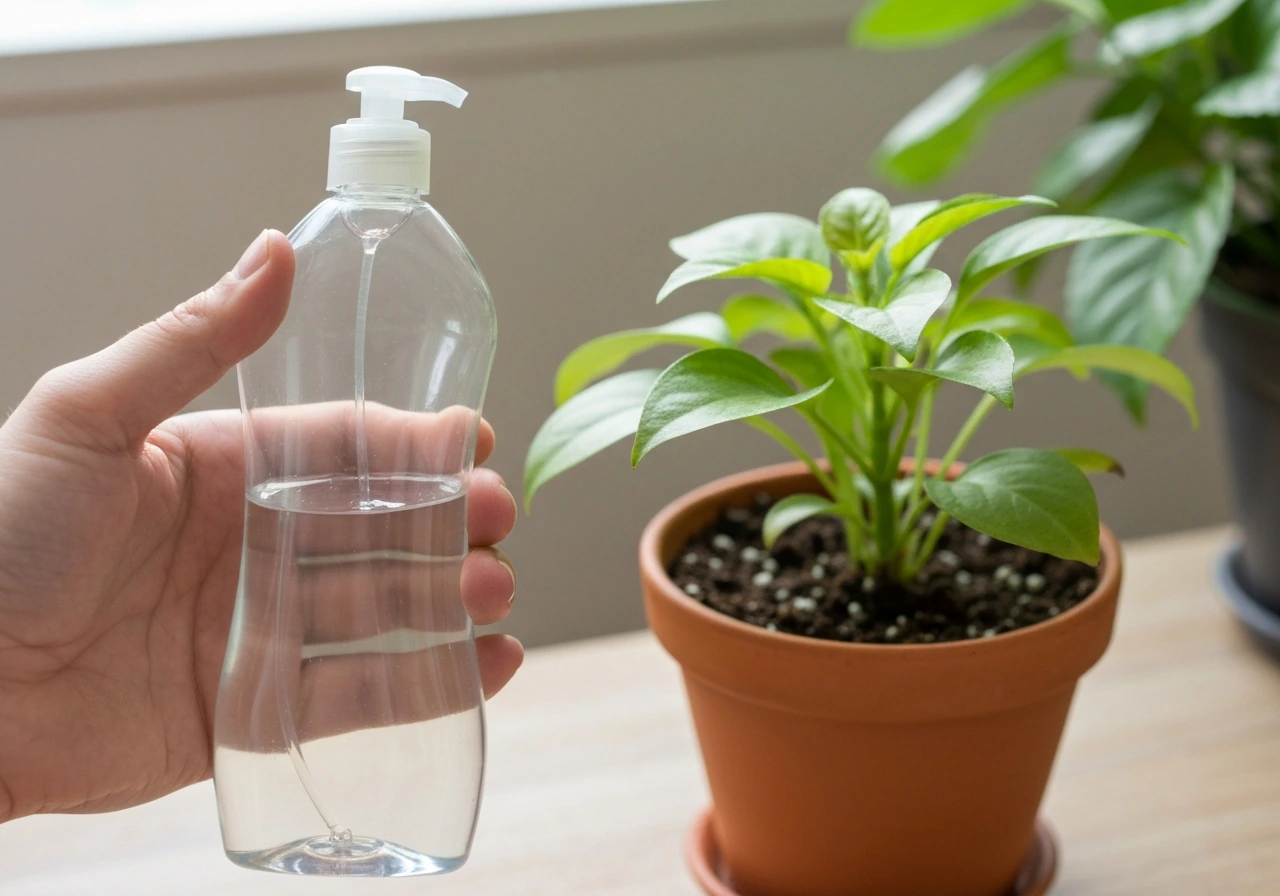
Does Dish Soap Help Plants Grow? What It Actually Does
Dish soap does not help plants grow. Learn how it harms leaves and soil, plus safer fixes for growth or pests.
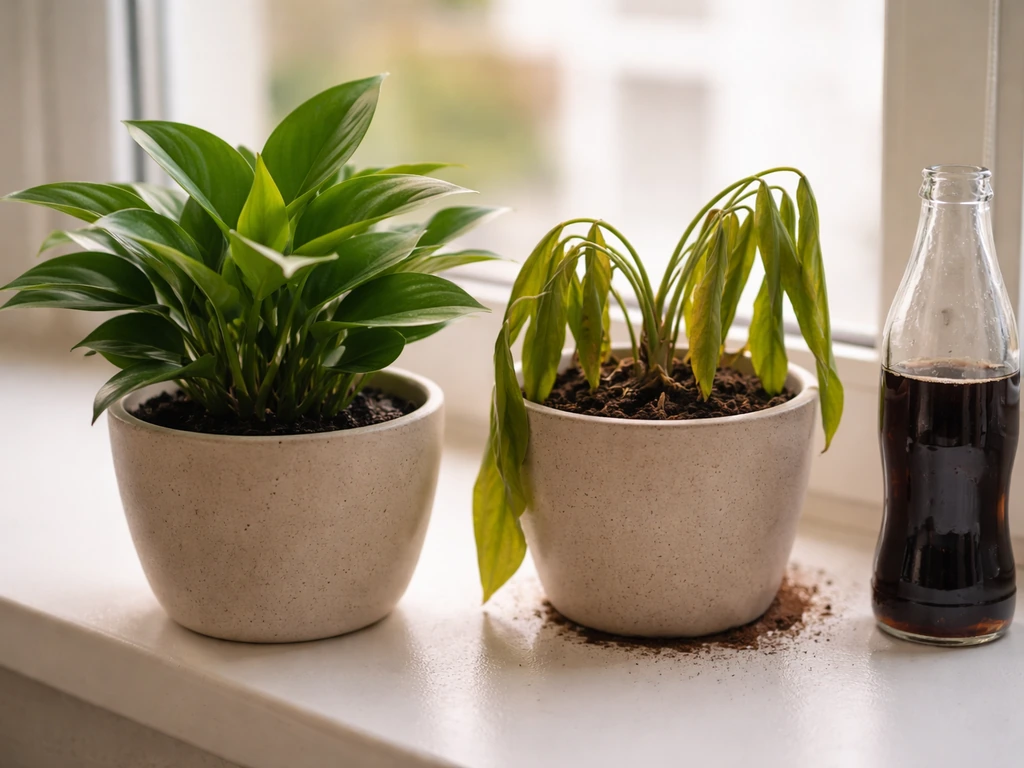
Does Soda Help Plants Grow? What Happens and What to Do Instead
Learn why soda does not help plants grow, what it does to soil and roots, and what to do instead for healthy growth.