Bleach does not help plants grow. It is not a fertilizer, a growth stimulant, or a soil amendment. The only legitimate use for bleach around plants is disinfecting hard, non-porous surfaces like tools and empty pots before planting, and even then, it should never come into direct contact with your soil or roots. Applied to soil or used as a watering additive, bleach will damage or kill plants far more reliably than it will help them.
Does Bleach Help Plants Grow? Safe Answers for Gardeners
Marcus Holloway
12 Jun 2026
When bleach helps vs. when it hurts (the short version)
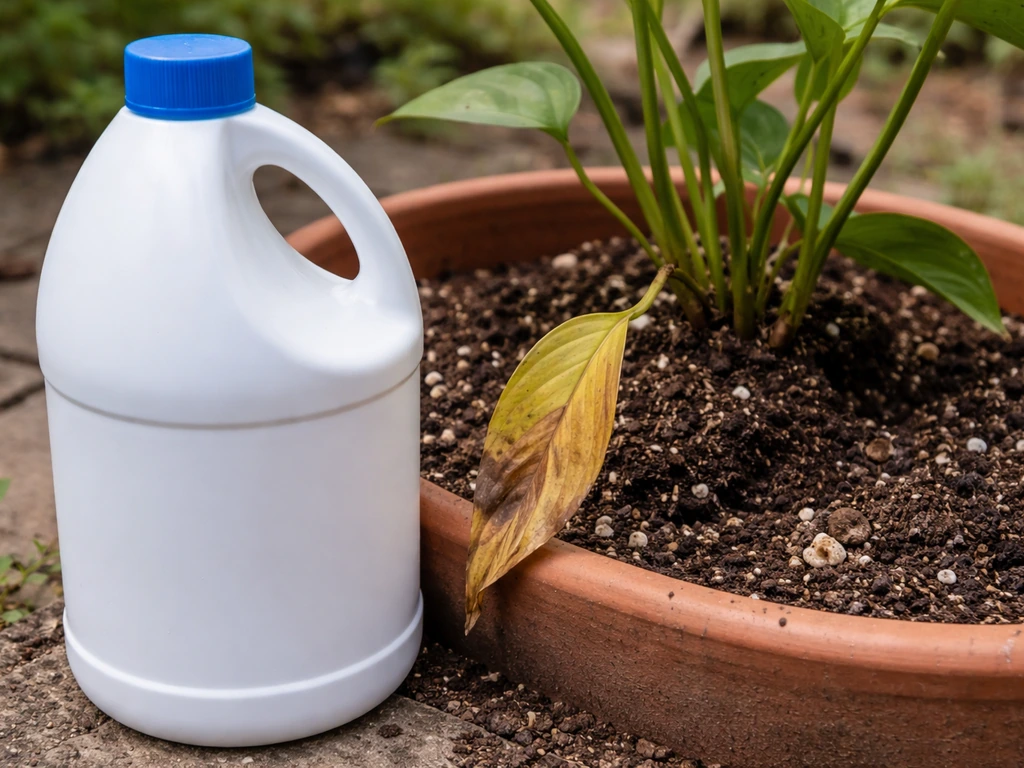
There is exactly one context where bleach earns its place in the garden: cleaning empty containers and tools between uses. That is it. University of Minnesota Extension is blunt on this point, do not pour bleach into your garden because it harms plants and beneficial soil organisms. Wipe down a pair of pruning shears or scrub out an empty terracotta pot before the season starts? Fine. Mix bleach into your watering can or drench the soil to 'sterilize' it? That is where gardeners run into serious trouble.
| Use Case | Does It Help? | Verdict |
|---|---|---|
| Disinfecting empty pots and trays | Kills surface pathogens before planting | Safe and recommended when done correctly |
| Cleaning pruning tools between cuts | Reduces disease spread between plants | Safe and recommended |
| Adding bleach to watering water | No growth benefit; toxic to roots | Do not do this |
| Pouring bleach on soil to kill pathogens | Disrupts microbes, raises pH, adds sodium | Do not do this |
| Wiping bleach on living plant leaves or stems | Burns tissue, adds no benefit | Do not do this |
What bleach actually does to soil and roots
Household bleach is sodium hypochlorite, typically at 5.25 to 6 percent concentration. When it contacts organic matter, which is essentially everything in your soil, it reacts and breaks down primarily into sodium chloride (table salt), water, and various byproducts. That breakdown sounds harmless, but the effects on your growing environment are not.
The sodium is the first problem. The USDA flags that sodium hypochlorite adds sodium to soil and can raise soil pH. Both outcomes hurt plants. Elevated sodium interferes with potassium and calcium uptake, essentially mimicking drought stress at the cellular level even when the soil is wet. Raised pH locks out nutrients like iron and manganese that plants need in slightly acidic to neutral conditions. Researchers studying sodium hypochlorite in tomato soilless cultivation specifically raised concerns about sodium and chloride ion accumulation and the need to understand residue toxicity, and that was in a controlled system designed to flush regularly.
The second problem is what bleach does to your soil's living community. Healthy soil is packed with bacteria, fungi, and other microorganisms that fix nitrogen, suppress disease, and help roots absorb water and nutrients. Bleach does not distinguish between a harmful pathogen and a beneficial mycorrhizal fungus. It wipes out indiscriminately. Once that microbial community is disrupted, plants lose a significant part of their support system, and rebuilding it takes time.
At the root level, direct contact with bleach damages the fine root hairs responsible for water and nutrient absorption. Even diluted solutions can cause chemical burns that set back plant growth significantly. Research on rice seedlings found that sodium hypochlorite had measurable direct negative effects on seedling growth depending on solution pH and concentration, and that was at the seed and seedling stage, before roots were even fully developed.
DIY uses people actually try (and why they go sideways)
Watering with diluted bleach
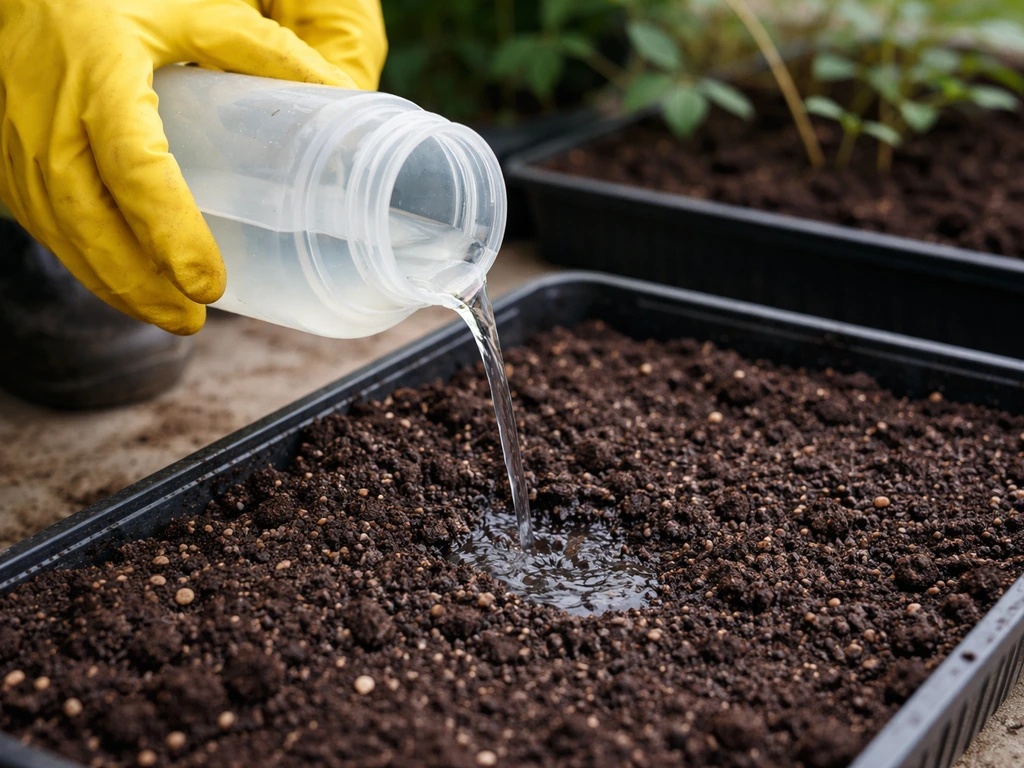
The reasoning usually goes: bleach kills bad stuff, so a little bleach in the water will keep root rot and pathogens away. The problem is that even at low concentrations, bleach solution is not selective. It will irritate roots, begin accumulating sodium and chloride in the soil, and disrupt the microbes that actually protect plants from disease over the long run. There is no evidence it promotes growth, and good evidence it suppresses it. You may wonder, does dish soap help plants grow, but the evidence and reasoning for why bleach is harmful also apply to other additives that can disrupt roots and soil microbes.
Drenching soil to 'sterilize' it
Some gardeners pour bleach solutions over soil beds or potting mix hoping to eliminate fungal problems or soilborne diseases. The disinfection effect is inconsistent because, as University of Maine Extension explains, bleach works best on hard, non-porous surfaces, not on porous, organic-rich soil where organic matter immediately starts neutralizing its activity. Meanwhile, the sodium, pH disruption, and microbial kill-off are very real and take much longer to resolve than the pathogen problem you were trying to fix.
Wiping down pots with bleach (the one that actually works)
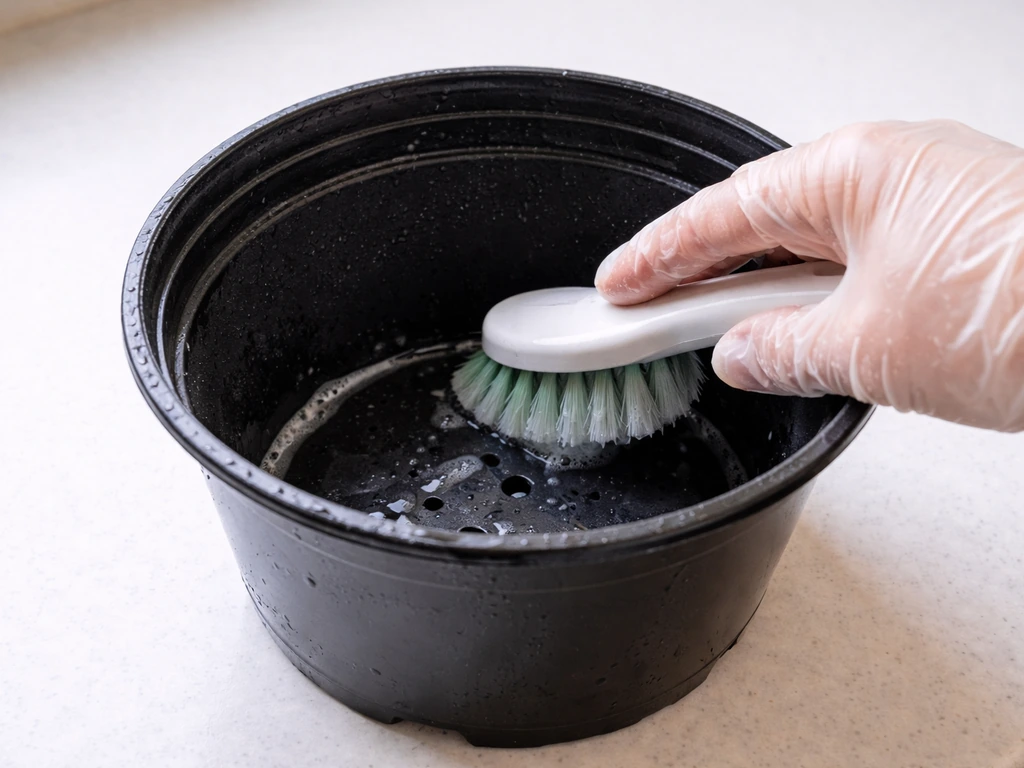
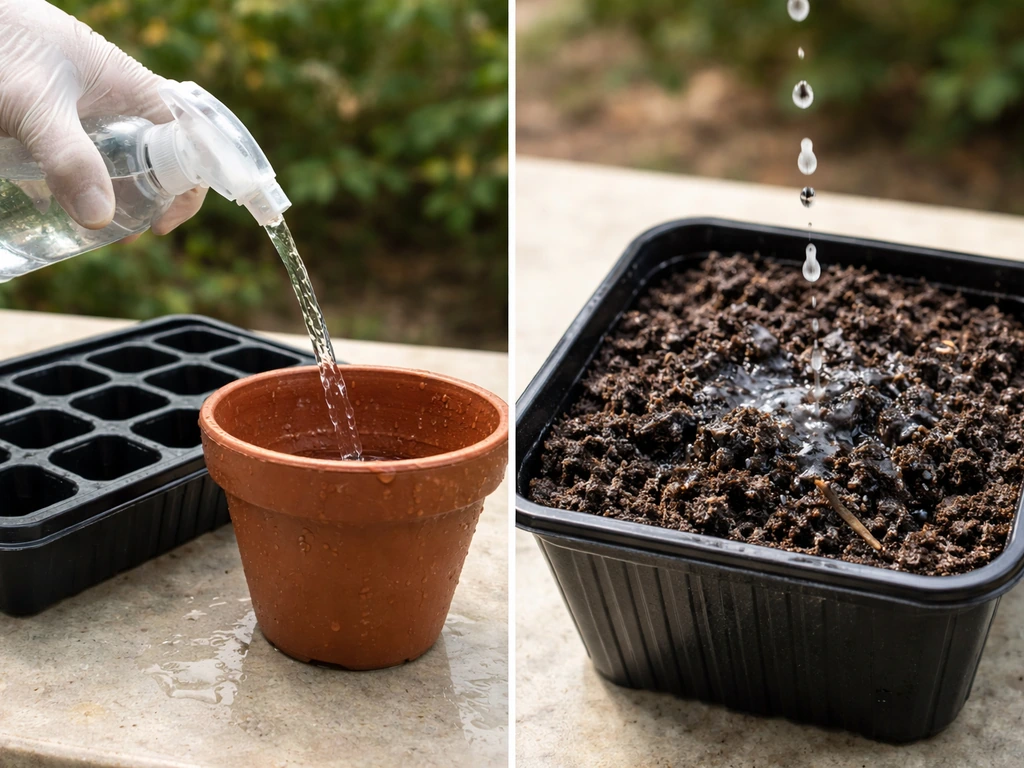
This is the legitimate use. An empty plastic or ceramic pot scrubbed with a diluted bleach solution, UMN Extension recommends 2 teaspoons of non-scented household bleach per gallon of water, and then rinsed thoroughly before planting is genuinely useful. The key steps that make it work are removing all visible soil and debris first (organic matter deactivates bleach), keeping the surface wet for at least one minute of contact time per CDC guidance, and rinsing completely before any plant or soil comes near it. NCBI Bookshelf reports that disinfected nonporous surfaces typically require wet contact times for disinfection to work.
The real risks you need to know about
- Root toxicity: even diluted bleach causes chemical burns to fine root hairs, reducing water and nutrient uptake immediately
- Salt buildup: bleach breaks down into sodium chloride, which accumulates in soil and stresses plants the same way over-fertilization with salts does
- pH disruption: sodium hypochlorite raises soil pH, locking out micronutrients that plants need for healthy growth
- Microbial destruction: beneficial bacteria and fungi that support root health and nutrient cycling are killed along with any pathogens
- Ineffective disinfection in soil: organic matter in soil rapidly deactivates bleach, so you get the negative effects without reliable pathogen kill
- Residue concerns: Stanford EHS notes bleach solutions are not stable long-term and break down into various byproducts; in soil, these byproducts can linger depending on soil type, moisture, and pH
- Concentration miscalculation: household bleach used at a working 1:10 dilution produces thousands of parts per million of chlorine — far above any safe level for plant tissues
One reason the myth persists is that gardeners sometimes see a short-term improvement after applying bleach to a diseased bed. What actually happened in many of these cases is that a fungal or bacterial pathogen was temporarily suppressed, giving the plant a brief window to recover, not because bleach stimulated growth, but because the disease pressure dropped momentarily. The underlying soil damage often shows up weeks later as stunted growth, yellowing leaves, or persistent wilting.
Safer ways to disinfect and prevent disease
If your goal is reducing pathogens, there are much better tools that do not carry bleach's collateral damage to your soil ecosystem.
For tools and hard surfaces
Stick with the diluted bleach protocol on non-porous surfaces only: clean off all organic debris first, apply the 2-teaspoon-per-gallon solution, maintain wet contact for at least one minute, and rinse well. Hydrogen peroxide-based products are another option UMN Extension mentions for hard surface sanitation, they break down into water and oxygen, leaving no harmful residue, which makes them attractive for surfaces that might contact plants soon after cleaning.
For soil and potting mix
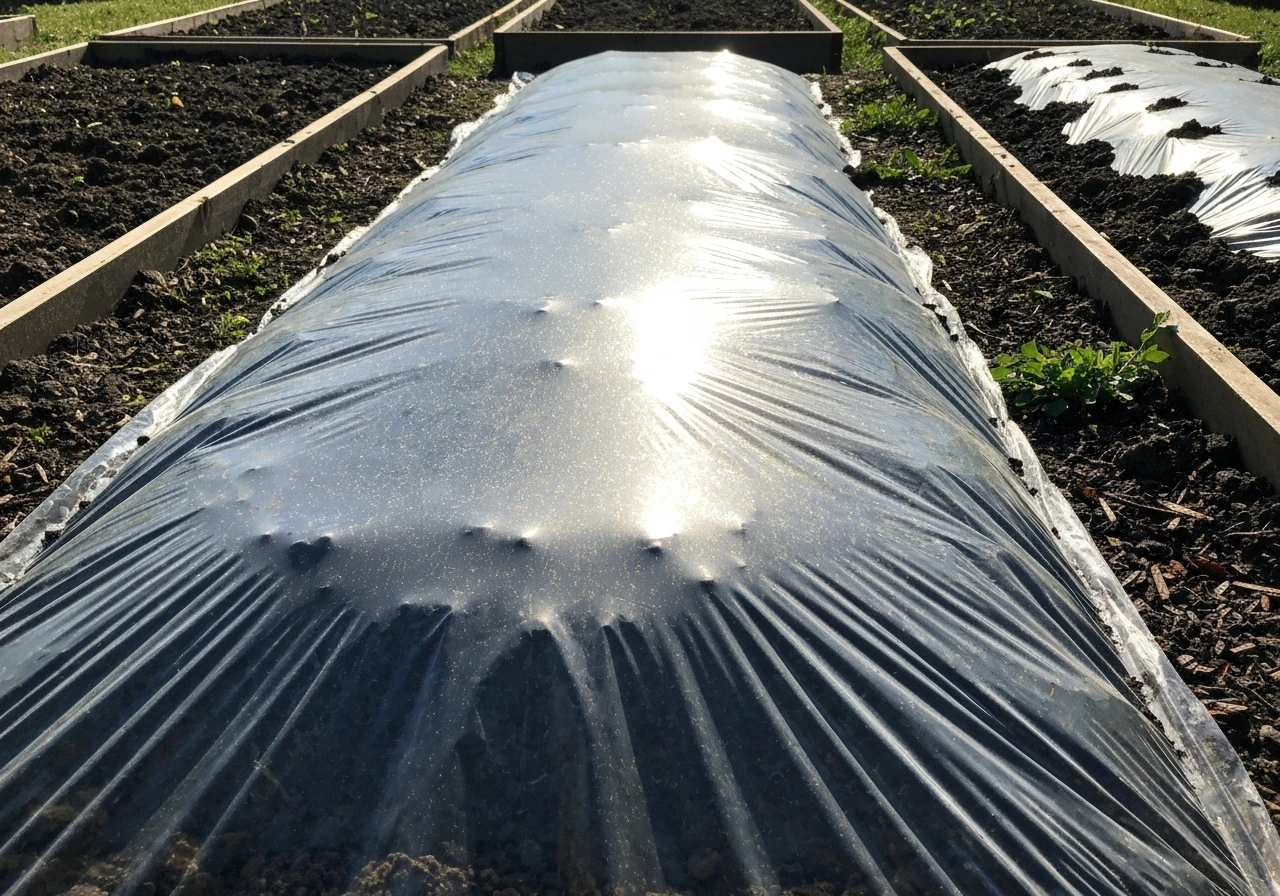
Soil solarization is one of the best non-chemical methods available. Oklahoma State University Extension describes [soil solarization](https://extension. okstate. edu/fact-sheets/soil-solarization-for-control-of-soilborne-diseases.
html) as a non-chemical method that helps control soilborne diseases and other pests by heating the soil, often before planting. You cover moist soil with clear plastic sheeting during hot, sunny weeks and let solar energy heat the top several inches to temperatures that kill pathogens, weed seeds, and some harmful nematodes. UC IPM notes it can also increase nitrogen availability by altering the soil microbiome in beneficial ways, essentially the opposite of what bleach does.
For potting mix, Penn State Extension describes steam pasteurization at 180 to 200 degrees Fahrenheit for 30 minutes as an effective way to treat soil before use. University of Florida IFAS confirms steam has been the professional standard for over 100 years for exactly this reason.
For ongoing disease prevention
The most durable disease management comes from building good soil health rather than trying to sterilize your way out of problems. Compost, proper drainage, crop rotation, and avoiding overhead watering all reduce pathogen pressure without damaging the microbial community your plants depend on. If you are dealing with a specific fungal issue, look into sulfur-based fungicides or copper-based treatments that target pathogens without the broad-spectrum destruction bleach causes.
This approach is similar to why other common household additives like baking soda get attention as disease deterrents, the goal is targeted action with minimal soil disruption. Does soda help plants grow, or is it another gardening myth that fails to improve growth while still risking unintended effects baking soda get attention as disease deterrents. Does baking soda help plants grow?
If you are wondering about what soda helps orchids grow, skip the DIY baking soda idea and focus on safe, orchid-appropriate care instead. The evidence is mixed, and it is often discussed more as a disease deterrent than a true growth stimulant baking soda get attention as disease deterrents.
Already used bleach? Here is how to recover
If you have already watered with bleach or applied it to soil, do not panic. Bleach does degrade relatively quickly once it contacts organic matter, but the sodium, chloride, and pH effects linger. Here is a practical recovery plan.
- Flush immediately and repeatedly: water the affected soil deeply three or four times over a few days to leach out sodium and chloride. Use more water than you think you need — you want to push salts down and out through the drainage. For potted plants, water until it runs freely from the drainage holes each time.
- Test and adjust pH: pick up an inexpensive soil pH test kit. If pH has climbed above 7.0 to 7.5, work in sulfur or an acidifying fertilizer to bring it back toward the 6.0 to 6.8 range most vegetables and ornamentals prefer.
- Hold off on fertilizing right away: stressed roots cannot absorb nutrients efficiently, and adding fertilizer salts on top of existing salt stress will make things worse. Wait until you see new growth resuming before resuming your normal fertilization schedule.
- Re-inoculate with beneficial microbes: apply a mycorrhizal inoculant or a dose of compost tea to help re-establish the microbial community bleach disrupted. Mixing in fresh compost — a few inches worked into the top layer — also speeds recovery by reintroducing organic matter and beneficial organisms.
- Monitor roots if possible: for potted plants, gently check whether roots look healthy (white or tan, firm) or damaged (brown, mushy). If root rot has set in alongside the bleach stress, you may need to repot into fresh, uncontaminated mix.
- Give it time: if the plant still has viable roots and green growth, it will likely recover once the chemical stress is removed and conditions normalize. Most plants show meaningful improvement within two to four weeks of flushing and re-amending.
The bottom line is that bleach belongs in your cleaning bucket, not your watering can. It is a powerful disinfectant for the right surfaces, and used correctly on tools and empty containers it genuinely helps prevent disease from spreading in your garden. But it offers zero growth benefits and meaningful risks the moment it touches living roots or active soil.
If you are researching whether some other household substance might give your plants a boost, things like dish soap, soda, or toothpaste come up in similar searches, the same myth-busting logic applies: most of these substances are formulated for entirely different purposes, and the burden of proof for plant benefit is much higher than the risk of accidental harm. This also applies to questions like whether baking soda helps plants grow, where the benefits are often overstated compared with the risks to soil and roots does baking soda help plants grow.
If you are looking for something that might actually influence plant growth, you will generally get a clearer answer by comparing other myths, like whether can birth control pills help plants grow, rather than using bleach on soil. 7up is not a fertilizer, and there is no solid evidence that it helps plants grow 7up help plants grow.
You might wonder, does dish soap help plants grow, but the evidence for growth benefits is weak and it can still cause problems depending on how you use it. Some people wonder does toothpaste help plants grow, but it is not a proven plant fertilizer and can still disrupt the soil and roots toothpaste come up in similar searches.
FAQ
Does bleach “work” temporarily if plants look better right after I drenched the soil?
Often it is just short-term disease pressure dropping, not improved growth. Watch for delayed symptoms like yellowing, stunted growth, or persistent wilting over the next 2 to 6 weeks, which can signal salt, pH, or root-microbe damage that takes longer to show up.
If I used a very diluted bleach solution on soil once, will it permanently harm the bed?
Not always permanently, but the effects can linger because sodium, chloride, and pH changes do not reverse instantly. Plan to flush and reset conditions by improving drainage, using fresh compost or organic matter to rebuild microbial life, and waiting before replanting if the area is showing stress.
What is the safest way to disinfect garden tools with bleach so I do not contaminate plant beds?
Clean off all debris first, then use bleach only on the tool surfaces, not on soil or potting mix. Keep treated tools off benches with potting media, rinse thoroughly after the contact time, and let them dry fully before reuse. Avoid splashes, especially around seedling trays.
Can I use bleach on porous items like terracotta or wooden planters and then plant right away?
Porous materials are harder to fully rinse because residues can get into tiny pores. Even if the label suggests a contact time, do extra rinsing until there is no odor, then air-dry before planting to minimize lingering sodium and pH effects near roots.
Will bleach help prevent root rot if I mix it into watering or potting mix?
No, bleach is not a reliable or safe root-rot treatment. It is non-selective, can damage fine root hairs, and disrupts the beneficial soil microbiome that helps plants resist disease over time.
What should I do if bleach accidentally splashed onto a plant or into a pot?
Rinse immediately with plenty of clean water to dilute any residue, then remove any visibly affected top layer of soil if possible. Monitor for root or leaf stress over the next couple of weeks, and avoid fertilizing right away while the plant recovers.
Are hydrogen peroxide products a good alternative for disinfecting items that will contact plants soon after cleaning?
They are often preferable for hard surfaces because they break down into water and oxygen, leaving less residue. Still, follow the product directions, rinse if the label advises it, and do a spot test on the material before disinfecting anything valuable.
If my goal is to reduce pathogens in soil, what is the best non-bleach approach for beds versus potting mix?
For beds, soil solarization is a strong option during hot weeks, since heat can target pathogens and weed seeds. For potting mix, steam pasteurization at the proper temperature and time is typically more effective than chemical DIY methods because it disinfects without leaving sodium or pH-active residues.
Can building soil health alone fix disease problems, or do I need targeted treatments?
Soil health practices reduce overall pathogen pressure, but they do not always eliminate a specific outbreak. If you have a known recurring fungal issue, consider targeted treatments and cultural changes together, such as improving drainage, correcting watering practices, and using narrower pathogen-targeting options rather than broad sterilization.
Does the concentration of bleach I use matter for plant harm?
Yes, higher concentration increases the chance of root burn and makes sodium and chloride effects stronger. Even low concentrations can still disrupt microbes and irritate roots, so the key is avoiding soil contact entirely rather than trying to “dose it safely” for growth.
Next Articles
Can Birth Control Pills Help Plants Grow? Science & Safer Tips
No, birth control pills won’t meaningfully boost plant growth; learn why, safety risks, and better evidence-based tips.
Does 7Up Help Plants Grow? What to Know and Safer Alternatives
Test whether 7Up boosts plant growth, why sugar and acids harm, risks, and safer fixes for yellow leaves or slow growth.
What Soda Helps Orchids Grow? The Truth and Fixes
Debunks soda myths for orchids and gives a science-backed plan to fix light, watering, feeding, and root health.