Minerals are the raw materials plants use to build every cell, enzyme, and energy molecule they need to grow. Without the right ones in the right amounts, a plant can't photosynthesize properly, can't move water through its tissues, can't form roots or flowers, and eventually can't survive. The good news is that once you understand which minerals do what, diagnosing problems and fixing them gets a lot more straightforward than most gardeners expect.
How Do Minerals Help Plants Grow: Deficiency, Sources, and Fixes

Marcus Holloway
27 May 2026
Plant nutrition basics: macronutrients vs micronutrients
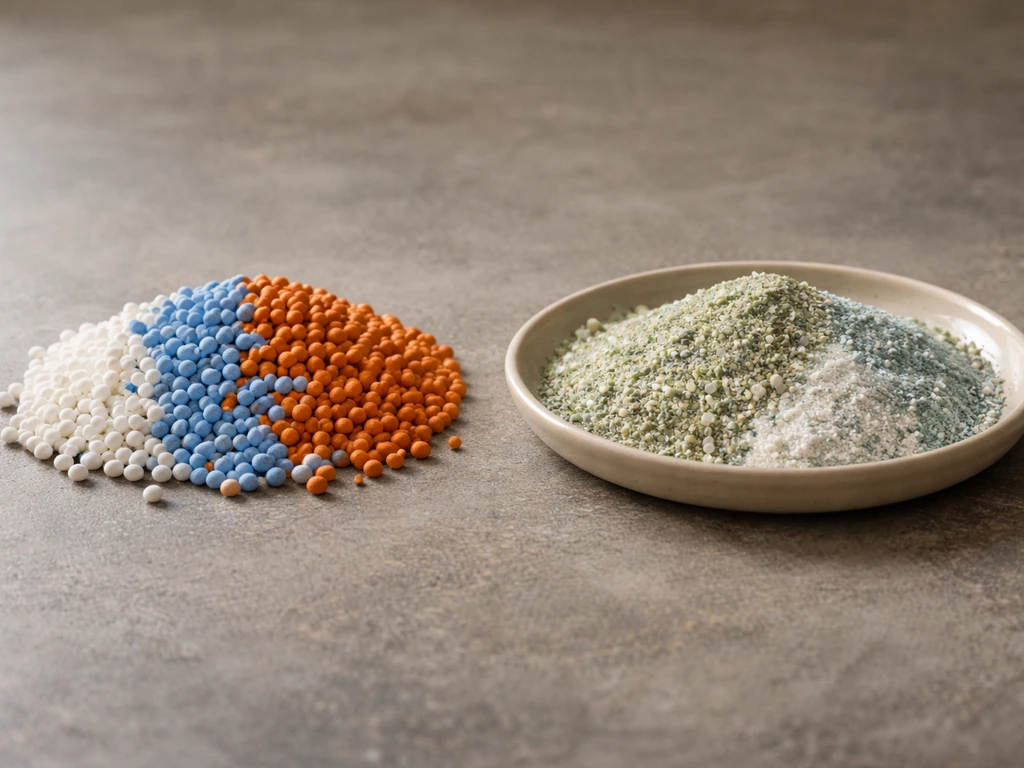
Minerals that plants need fall into two broad categories based on how much of them the plant actually uses. Macronutrients are needed in relatively large quantities and include nitrogen (N), phosphorus (P), potassium (K), calcium (Ca), magnesium (Mg), and sulfur (S). Micronutrients are needed in much smaller amounts but are no less essential: iron (Fe), manganese (Mn), zinc (Zn), copper (Cu), boron (B), and molybdenum (Mo) top the list, with chlorine and nickel rounding things out depending on which source you consult.
The 'macro vs micro' distinction is about quantity, not importance. A plant missing boron will fail to set seed just as surely as one missing nitrogen will stop growing leaves. The difference is that you need far less boron to correct a boron deficiency than you need nitrogen to correct a nitrogen deficiency, which is why over-applying micronutrients is actually a more common mistake than under-applying them.
One more concept worth knowing before we go further: availability. A mineral can be physically present in your soil but completely unavailable to the plant. Soil pH is the biggest driver of this. Most micronutrients are most available in soils with a pH between 6.0 and 6.5. Outside that range, minerals can lock up into forms the plant's roots simply can't absorb, which is why throwing more fertilizer at a pH problem almost never works.
What each mineral actually does for your plant
The big three: nitrogen, phosphorus, and potassium
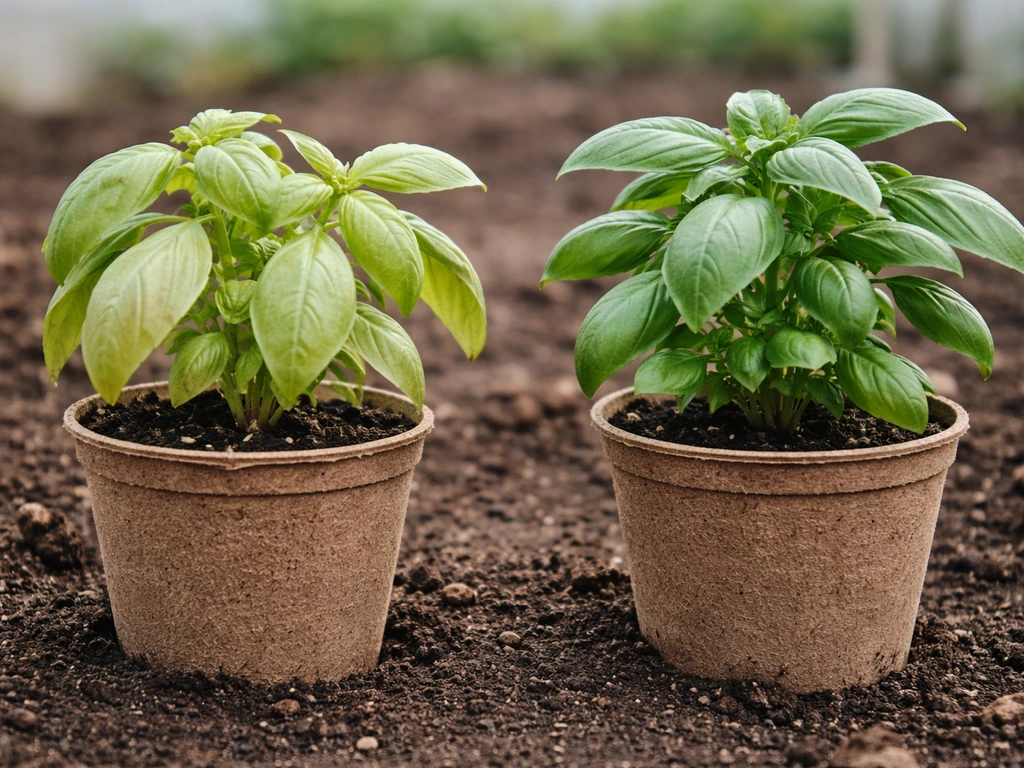
Nitrogen drives leaf and stem growth. It's a core component of chlorophyll and amino acids, so a plant with enough nitrogen looks lush and green. Phosphorus supports root development and is critical during flowering and seed set. You'll sometimes see phosphorus described as a 'root and bloom' nutrient, and that's largely accurate. Plants with phosphorus deficiency often show stunted growth and develop a reddish or purple tint on their leaves and stems. Potassium is the stress manager: it regulates water movement, strengthens cell walls, and supports the plant's ability to tolerate drought, cold, and disease. It also plays a role in moving sugars from leaves to fruit, which is why potassium-deficient plants often produce poorly.
Calcium, magnesium, and sulfur
Calcium holds cell walls together and is essential for root tip growth and new leaf development. When calcium fails to reach developing fruit tissue fast enough, you get blossom end rot, the dark sunken lesion on the bottom of tomatoes, peppers, and squash. Magnesium sits at the center of every chlorophyll molecule, so without it, leaves can't photosynthesize. It's also a co-factor in many enzyme reactions. Sulfur is involved in protein synthesis and gives some plants (think onions, garlic, and brassicas) their characteristic flavors and compounds.
The micronutrients and what they're doing
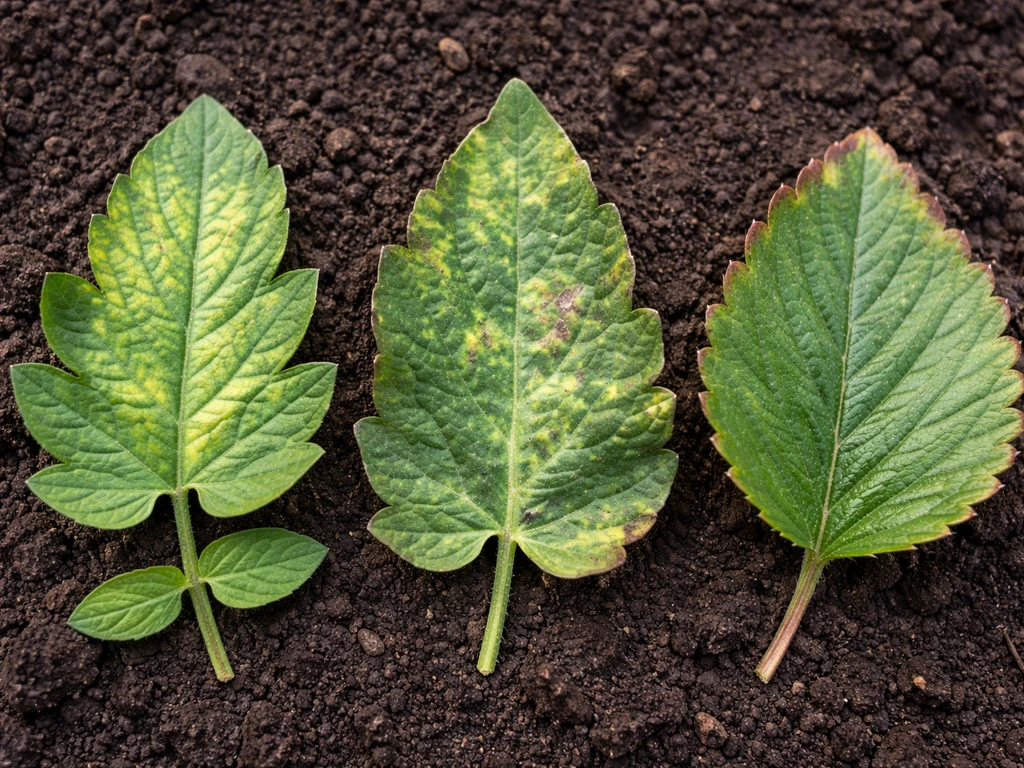
Iron and manganese both play roles in chlorophyll formation and enzyme activity. Boron manages the balance between sugars and starches, helps move those sugars through the plant, and is essential for pollination, seed production, and cell wall formation. Molybdenum allows plants to metabolize nitrogen and is particularly critical in legumes, where it enables nitrogen fixation in root nodules. Zinc and copper are enzyme activators involved in growth regulation and respiration. None of these minerals are optional; they're all doing specific jobs that no other mineral can cover.
| Mineral | Primary Role | Where You'll See It First |
|---|---|---|
| Nitrogen (N) | Leaf and stem growth, chlorophyll, amino acids | Older leaves yellow first |
| Phosphorus (P) | Root development, flowering, seed set | Leaves turn purple/red, slow growth |
| Potassium (K) | Stress tolerance, water regulation, sugar transport | Older leaf tips and margins scorch |
| Calcium (Ca) | Cell wall integrity, root tip growth | New leaves distort, blossom end rot |
| Magnesium (Mg) | Center of chlorophyll molecule, enzyme co-factor | Interveinal yellowing on older leaves |
| Sulfur (S) | Protein synthesis, enzyme structure | Young leaves pale yellow |
| Iron (Fe) | Chlorophyll formation, enzyme systems | Young leaves yellow, veins stay green |
| Manganese (Mn) | Enzyme activation, chlorophyll formation | Interveinal chlorosis on young leaves |
| Boron (B) | Sugar transport, cell walls, pollination | Growing tips distort or die back |
| Zinc (Zn) | Enzyme activation, growth hormones | Small, distorted leaves; short internodes |
| Molybdenum (Mo) | Nitrogen metabolism, protein synthesis | Older leaves pale, cupped or distorted |
| Copper (Cu) | Respiration, enzyme systems | Young leaves wilt, bluish-green tint |
Reading deficiency symptoms and actually diagnosing the problem
Deficiency symptoms are genuinely hard to read, and that's not a skill issue on your part. Multiple nutrient deficiencies produce overlapping symptoms, and the same visual pattern can also show up from root damage, compaction, disease, insects, or overwatering. The smartest first move is always to rule out non-mineral causes before reaching for a fertilizer.
Where the symptom appears tells you a lot
The location of symptoms on the plant gives you a useful clue based on whether a nutrient is mobile or immobile in plant tissue. Mobile nutrients like nitrogen, phosphorus, potassium, and magnesium can be moved from older leaves to newer growth when supply runs short, so deficiency symptoms appear on the older, lower leaves first. Immobile nutrients like calcium, iron, boron, and zinc can't be relocated once fixed into tissue, so their deficiency symptoms show up on the newest growth first. Iron deficiency, for example, causes yellowing between the veins on young leaves while the veins themselves stay green. Nitrogen deficiency follows a V-shaped pattern starting at the leaf tip and running toward the midrib on older leaves. Potassium deficiency shows up as yellowing mottling and brown specks at the tips and margins of older leaves.
Don't assume it's a deficiency until you check these things
- Check your drainage first. Waterlogged or compacted soil restricts root oxygen, which shuts down nutrient uptake entirely regardless of what's in the soil.
- Look for insect or disease damage that mimics discoloration or leaf distortion before blaming a mineral.
- Check your irrigation water. Water with alkalinity above about 150 mg/L can raise the pH of your growing medium over time, locking out iron and manganese in particular.
- Consider whether you've recently over-fertilized. Excess zinc, manganese, phosphorus, or copper can actually tie up iron and create induced iron deficiency even when your iron levels are fine.
- If symptoms match a deficiency but your soil test shows adequate levels, consider getting a foliar (tissue) test. Soil tests tell you what's there; tissue tests tell you what the plant is actually getting.
Choosing and using the right mineral source
Commercial fertilizers are labeled with NPK ratios: three numbers showing the percentage of nitrogen, phosphorus (as P2O5), and potassium (as K2O) in that order. A 10-10-10 is a balanced general fertilizer. A 3-15-0 is focused on phosphorus for root establishment. These are useful for macronutrient management, but they often contain little to no micronutrients, which is why a plant grown in depleted soil can still end up deficient in iron or boron despite being regularly fertilized.
For targeted mineral corrections, you have several options. Dolomitic limestone corrects both calcium and magnesium while also raising pH, making it a smart choice when a soil test shows low pH alongside low Ca and Mg. Gypsum (calcium sulfate) delivers calcium and sulfur without changing pH, which matters when your pH is already in range. Chelated micronutrient products, particularly chelated iron, are more effective than inorganic salts because chelation keeps the mineral available in a wider pH range. Iron chelates work especially well as foliar sprays when soil conditions are making iron uptake difficult.
A note on Epsom salts: they're magnesium sulfate, and while they do contain magnesium, they leach through soil quickly and don't correct pH. More importantly, magnesium and calcium compete for the same uptake sites, so adding Epsom salts to soil that already has adequate magnesium can actually reduce calcium uptake and worsen problems like blossom end rot. Use them only if a soil test confirms a genuine magnesium deficiency.
Timing and application rates matter
Apply nutrients based on growth stage rather than just the calendar. Plants need phosphorus most during root establishment and early flowering; they need potassium most as fruit develops. Splitting nitrogen applications rather than applying it all at once reduces leaching and salt buildup. For foliar applications of micronutrients, early morning or late afternoon applications reduce the chance of leaf burn and give the plant more time to absorb before the spray dries. Always follow label rates. More is not better with any mineral, and this is especially true for micronutrients where the gap between deficiency and toxicity is surprisingly narrow.
Soil testing and making sense of the results
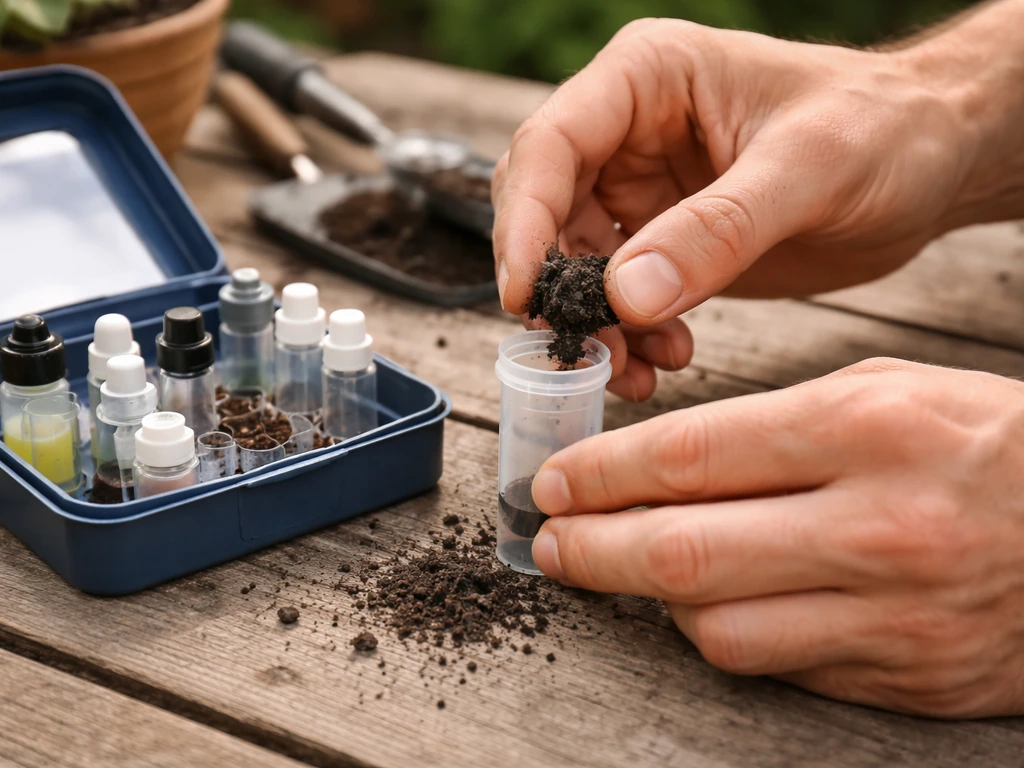
A soil test is the single most useful thing you can do before adding any mineral to your garden. Without it, you're guessing, and guessing with fertilizer is how people end up with salt-scorched roots and locked-up nutrients. Most university extension labs and many private labs provide a basic test for around $15 to $30 that covers pH, macronutrient levels, and sometimes CEC (cation exchange capacity).
What the numbers actually mean
Nutrient levels on your report are typically expressed in parts per million (ppm), which is equivalent to milligrams per kilogram (mg/kg). The lab's recommendations will tell you how to interpret these relative to their specific extraction method, so stick to the recommendations from the lab that ran your test rather than mixing and matching from different guides. Your report will also include pH, which is critical context for everything else on the page. One pH unit represents a tenfold change in acidity, so the difference between a soil at pH 5.5 and pH 6.5 is not slight. When pH drops below 6.0, most labs will report a buffer pH (sometimes called SMP buffer pH) alongside the actual pH to help calculate your lime requirement for correction.
CEC, or cation exchange capacity, tells you how well your soil holds positively charged nutrients like calcium, magnesium, and potassium. Soils with low CEC (sandy soils, for example) hold fewer nutrients and need more frequent, lighter applications to avoid both deficiency and leaching. Base saturation, reported by some labs, shows the percentage of CEC occupied by calcium, magnesium, potassium, and sodium at your current pH.
What to do when pH is the problem
If your soil pH is too low (acidic), lime is the correction. Dolomitic lime raises pH while adding both calcium and magnesium. Regular calcitic lime raises pH and adds calcium but not magnesium. Gypsum and Epsom salts do not raise pH and are not substitutes for lime, despite what some gardening folklore suggests. If pH is too high (alkaline), elemental sulfur is the most common amendment, but correction is slow and re-testing after a season is essential.
Common mistakes that block mineral uptake
Even with the right minerals in your soil, plants can fail to absorb them. These are the blockers that get in the way most often.
- Wrong pH: This is the biggest one. High pH locks out iron, manganese, zinc, and boron. Low pH can cause aluminum and manganese to become toxic while reducing availability of phosphorus and calcium. Fix the pH first; then reassess what else is needed.
- Overfertilizing and salt buildup: Heavy fertilizer applications raise soil electrical conductivity (EC), which is a measure of dissolved salts. When EC gets too high, roots are damaged by osmotic stress and can't take up water or nutrients properly. Leaching with clean water is the only way to flush excess salts out.
- Poor drainage and compaction: Roots need oxygen to absorb nutrients actively. Waterlogged or compacted soil starves roots of oxygen, and nutrient uptake essentially shuts down. You can have perfect soil chemistry and still have a nutrient-starved plant if the roots can't function.
- Hard or high-alkalinity irrigation water: If your tap water or irrigation source has high alkalinity (above about 150 mg/L bicarbonate), it can gradually raise the pH of your growing medium, especially in containers, leading to micronutrient lockout over time.
- Mineral competition and imbalances: Excess of one mineral can block uptake of another. Too much potassium suppresses magnesium uptake. Too much phosphorus ties up zinc and iron. Too much calcium can crowd out potassium and magnesium. Balance matters as much as quantity.
- Applying the wrong form: Applying inorganic iron sulfate to alkaline soil often accomplishes little because the iron quickly converts to an unavailable form. Chelated iron or foliar application bypasses this problem.
Your action plan: what to check first and do this week
If your plant looks unhealthy right now, here's the practical sequence to work through rather than guessing.
- Check moisture and drainage today. Stick your finger 2 to 3 inches into the soil. If it's waterlogged or compacted, that's step one to fix before anything else. Improve drainage or hold off watering and let the soil aerate.
- Look at the pattern of symptoms. Are they on old leaves or new leaves? Yellowing between veins or at margins? Use the mobility rule: old leaves point to nitrogen, potassium, or magnesium; new leaves point to calcium, iron, or boron.
- Get a soil test this week if you don't already have one. Most extension labs can return results in 1 to 2 weeks. In the meantime, don't add more fertilizer until you know where you're starting from.
- Check your water source. If you're using tap water, look up or test its alkalinity. If it's above 150 mg/L, consider acidifying it slightly for container plants or switching to filtered water.
- If you suspect a micronutrient deficiency and need a faster response while waiting for soil test results, apply a chelated micronutrient foliar spray. It's the fastest route to visible improvement for iron, manganese, and zinc deficiencies.
- Correct pH before adding targeted nutrients. If your soil test shows low pH, apply lime at the recommended rate. If it shows high pH, begin sulfur treatment. Wait 4 to 6 weeks and retest before drawing conclusions about nutrient levels.
- Apply fertilizers at label rates and split applications when possible. If EC is high on your soil test (above 3 dS/m), leach the soil thoroughly before adding anything else.
- Match your fertilizer type to your stage. Rooting phase: prioritize phosphorus. Vegetative growth: lean on nitrogen. Fruiting: shift toward potassium and calcium. Don't keep using the same fertilizer blend at every stage.
Minerals are not magic, and more is rarely better. But getting the right ones in the right forms at the right pH makes a visible, measurable difference in how plants grow. Rocks can also matter because they influence the minerals in soil, which affects whether plants can get nutrients for healthy growth do rocks help plants grow. If you want to grow healthy plants, the key is getting the right mineral nutrients in forms your soil can actually deliver. If you've ever wondered whether things like Epsom salts, crushed eggshells, or potassium amendments actually move the needle for your plants, the answer almost always comes back to whether your soil actually needs that specific mineral and whether your pH lets the plant access it. Epsom salt is magnesium sulfate, and it only helps plants if your soil test shows a real magnesium deficiency and your pH makes that magnesium available Epsom salts. That's the science behind every fertilizer decision worth making.
FAQ
Can I tell which mineral a plant needs just from leaf color and symptoms?
Yes, but only if the right nutrient is actually limiting. If you add a fertilizer that contains minerals you already have in adequate, available amounts, you can still see no improvement because the real constraint is often pH, root damage, drought stress, compaction, or an overwatering issue. That is why soil testing and checking for non-mineral causes first usually saves money and prevents salt buildup.
What’s the biggest mistake people make when diagnosing nutrient deficiencies?
Don’t rely on “new growth vs old growth” alone. Some problems that mimic deficiencies are caused by root restrictions (pot-bound roots, compaction, damaged roots) or disease, and they can create nutrient stress patterns that look like immobile or mobile nutrient shortages. A good cross-check is to confirm whether the plant also has the environmental trigger for the suspected nutrient (for example, low pH for iron or boron availability) and whether symptoms match a single nutrient pattern over time.
Do minerals help plants differently in container gardening than in the ground?
If you’re growing in containers, the same nutrients matter, but the process is faster and the risk of buildup is higher. Because container media has limited buffering, pH can drift quickly and salts can accumulate, which can lock nutrients up even when you fertilize regularly. Use a container-appropriate fertilizer regime, flush with clean water occasionally (as your drainage allows), and consider testing the potting mix or tracking pH if you see recurring issues.
Is it safe to add micronutrients even if I’m not sure my soil needs them?
Generally, avoid adding micronutrients “just in case.” The gap between deficiency and toxicity for several micronutrients (especially boron, copper, and zinc) is narrow, and extra can reduce uptake of other nutrients. Instead, use a soil test for mineral context, and if you suspect a micronutrient issue, choose the smallest targeted correction method (for example, chelated iron) that fits your pH and the plant’s stage.
When should I use foliar micronutrient sprays, and do they replace soil amendments?
For foliar sprays, timing and plant condition matter as much as the product. Apply when temperatures are moderate, avoid spraying during bright midday sun or right before heavy heat, and ensure the leaves are dry long enough for absorption. Also, foliar feeding corrects deficiency faster but doesn’t replace soil-based availability problems, so you may still need to fix pH or soil chemistry.
Can correcting magnesium accidentally cause blossom end rot?
Yes. Calcium and magnesium compete for uptake sites, so adding magnesium when magnesium is already adequate can indirectly reduce calcium movement to developing fruit. That can contribute to blossom end rot even if total “calcium in the soil” seems fine. If you use any magnesium source, confirm with a soil test and correct pH appropriately so calcium stays available.
Why are chelated iron products sometimes more effective than regular iron salts?
Chelated micronutrients are often more reliable when pH is outside the ideal range because chelation helps keep the nutrient in a form roots can absorb. If your pH is too high or too low, the most effective “fix” is usually adjusting pH first (or concurrently) rather than repeatedly spraying salts that may become unavailable again. Think of chelates as a compatibility tool, not a substitute for fixing pH.
How should I interpret ppm numbers and fertilizer recommendations from my soil test report?
When soil tests are available, that is the best decision aid. Nutrient ppm values must be interpreted using the lab’s specific extraction method, and recommendations depend on your current pH and soil characteristics like CEC. Mixing guidelines from different sources can overshoot or miss the target, especially for micronutrients and nutrients affected by pH.
How often should I re-test my soil after applying lime or sulfur?
Re-testing matters because many corrections are slow or seasonal. Lime and other pH-related amendments can take time to change availability, elemental sulfur correction is especially gradual, and rainfall or irrigation practices can shift pH and salt levels. Plan on re-testing after a full growing period (or per your amendment type) to confirm the soil is actually in the target range.
When does Epsom salts actually help, and when is it just unnecessary?
“Epsom salts” can help in a specific, checkable scenario: magnesium is genuinely deficient in your soil and your pH makes magnesium available. If magnesium is adequate, adding magnesium sulfate won’t fix the underlying issue and can interfere with calcium uptake. Use Epsom salts only after confirming the need with a soil test (and ideally pH context), rather than by symptom alone.
Next Articles
Does Iron Help Plants Grow? Signs, Causes, and Fixes
Learn if iron boosts plant growth, spot iron deficiency by symptoms, fix pH issues, and apply the right iron safely.
Do Rocks Help Plants Grow? Benefits, Myths, and How-To
Science-backed answer on whether rocks help plants, how they affect moisture, heat, weeds, drainage, and safe ways to us
Do Crystals Help Plants Grow? Evidence and Practical Tests
Evidence-based answer on whether crystals help plants grow, plus safe tests, likely mechanisms, and real care priorities