Plants grow well when you match them to conditions they can actually use: the right amount of light, water that drains properly, soil with decent structure and organic matter, nutrients at the right time, and temperatures that don't stress them out. Get those five things roughly right and most plants take care of themselves. Get one of them badly wrong and nothing else you do will compensate.
What’s Good for Plants to Grow: The Real Basics
Marcus Holloway
12 Jun 2026
Start with the plant and your actual conditions
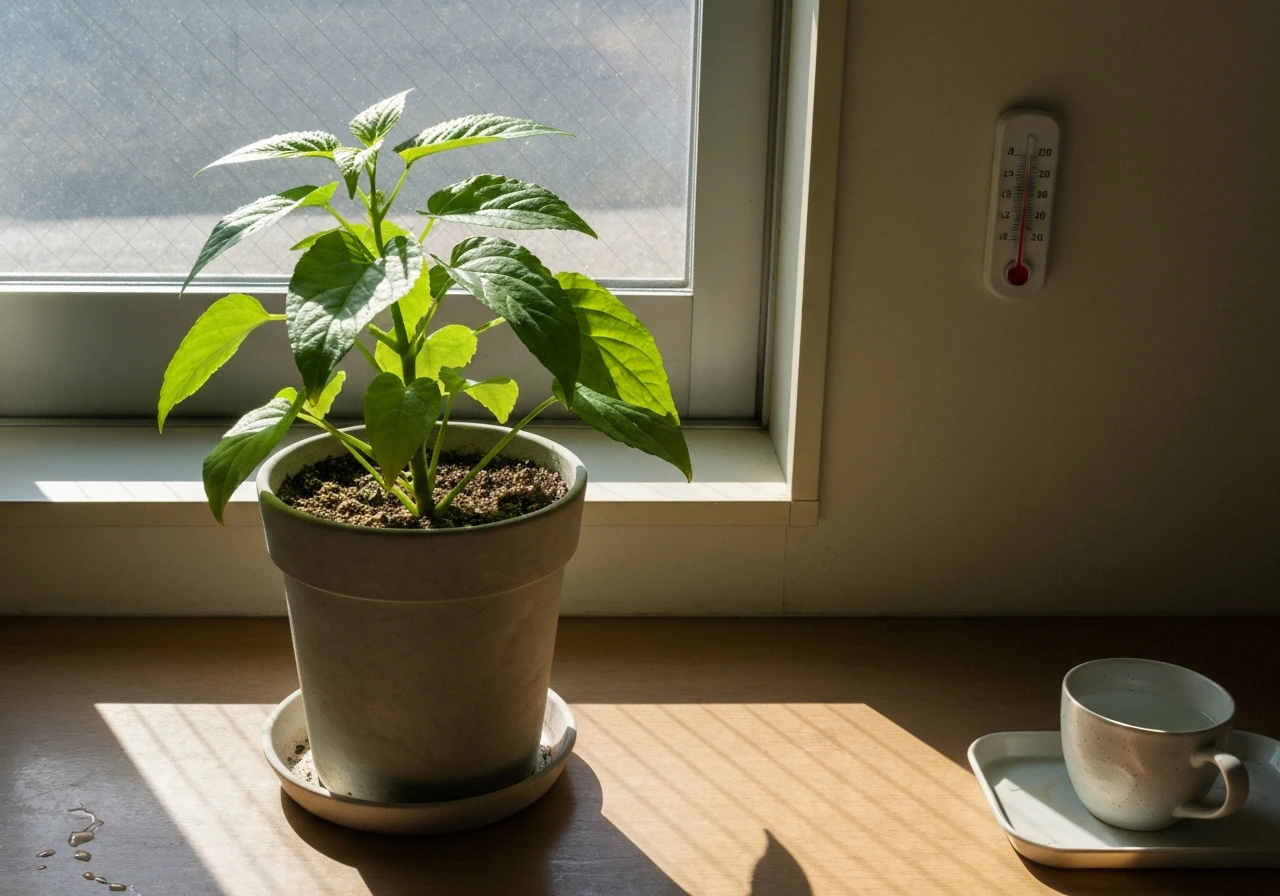
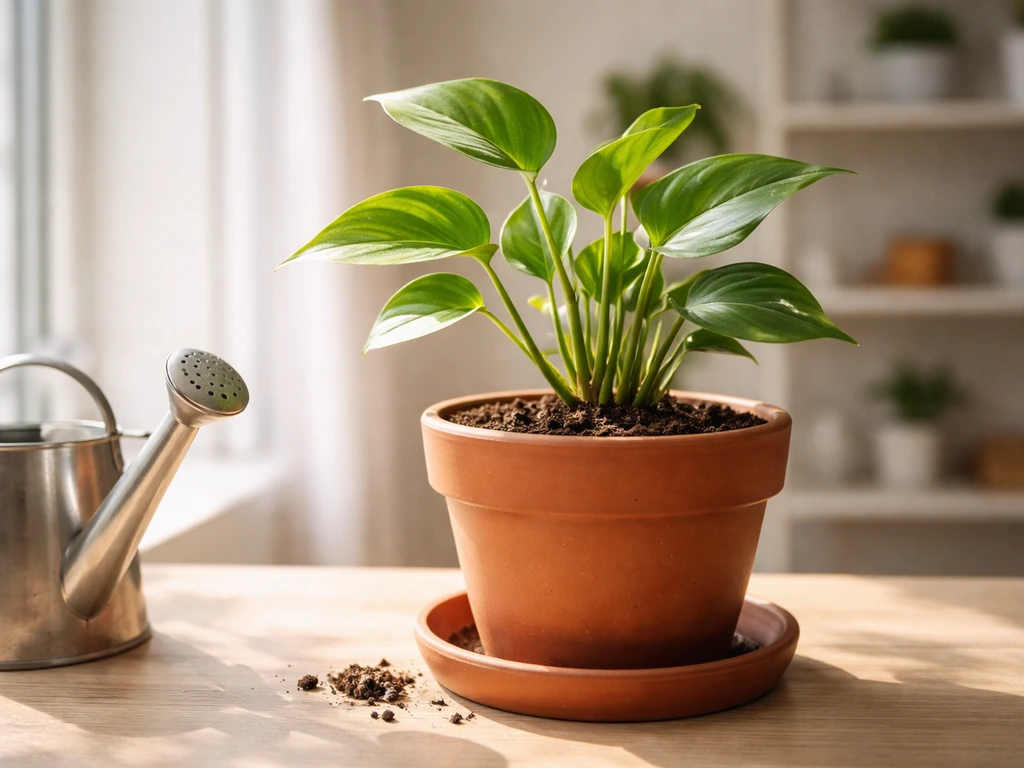
The single most underrated piece of plant advice is this: choose a plant that fits your conditions, not the other way around. UMN Extension puts it plainly when they say healthy, long-lived plants come from matching a plant's requirements for light, soil type, and spacing to the site you actually have. Before you buy anything or change anything, figure out what you're working with.
That means knowing your hardiness zone, which tells you which perennials are likely to survive your winters. You can look it up instantly using the USDA Plant Hardiness Zone Map by entering your ZIP code. But zone is only part of the picture. You also need to know how many hours of direct sun your space gets, what your soil drains like, and how hot or cold it gets in summer. A zone 7 garden with heavy clay in full shade is a completely different growing environment than a zone 7 garden with sandy loam in full sun.
Once you know your conditions, match them to a plant list rather than forcing a plant to survive in conditions it hates. This one decision saves more plants than any fertilizer or amendment ever will.
Light is the engine, not a detail
All plants need light for photosynthesis. There's no workaround for this. But 'enough light' means something very different depending on the plant. Many cool-season vegetables and herbs like lettuce, spinach, kale, and radishes do fine with just 3 to 5 hours of direct sun per day. A tomato or pepper wants 6 to 8 hours of full sun. A low-light houseplant like a pothos can tolerate an east-facing window, or a spot near (but not directly in) a west window. The categories matter.
Indoors, a practical way to think about it: an east window gives you medium light and gentle morning sun. A south window in the northern hemisphere gives the most consistent bright light. A west window gives afternoon sun, which can be intense. A north window gives low, indirect light only. Most foliage plants do well in medium light. Most flowering plants and vegetables need high light or supplemental grow lights.
One thing that trips people up when moving plants outdoors: a plant that's been thriving in a bright indoor spot can scorch badly in direct outdoor sun. UMN Extension warns this can happen within hours. If you're transitioning a plant outside, start it in a spot that gets morning sun only (before noon), and ease it into stronger light over a couple of weeks.
If you're not sure whether light is your limiting factor, buy a simple lux meter or use a free light meter app. A reading under 1,000 lux is dim. Most foliage plants want 2,000 to 10,000 lux. Fruiting vegetables and herbs want 20,000 lux and above. These aren't magic numbers, but they're a quick reality check.
Watering: the most common way plants die
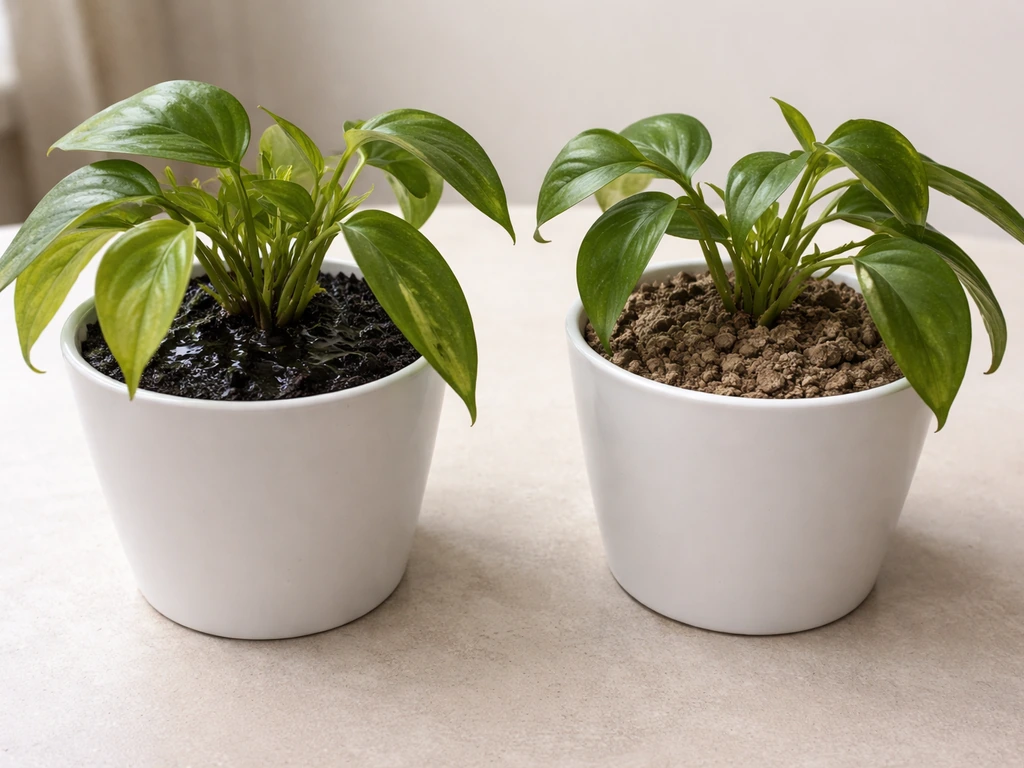
Overwatering kills more houseplants than underwatering, and the symptoms can look deceptively similar: wilting, yellowing leaves, poor growth. The key difference is in the roots and the soil. Overwatered plants have wet, often rotting roots. Underwatered plants have dry, shrunken roots and bone-dry soil.
Rather than watering on a fixed schedule, use the feel-and-appearance method. Take a small amount of soil, roll it between your fingers, and squeeze it. Wet soil forms a ribbon easily and leaves moisture on your hand. UMN Extension’s feel-and-appearance guidance notes that if the soil “ribbons out” in longer shapes, it signals more depletion and less available moisture when soil “ribbons out” in longer shapes indicates more depletion/less availability. Moist soil holds its shape briefly but doesn't feel saturated. Dry soil crumbles and won't form a ball. Most houseplants and garden plants want to dry out to 'barely moist' in the top inch or two before you water again. Succulents and cacti want even more dryness between waterings. Moisture-loving plants like ferns want consistent moisture but never standing water.
Drainage is non-negotiable. In containers, always use pots with drainage holes. If you're using a decorative outer pot without holes, pot your plant in a plain inner pot with drainage, water thoroughly, let it drain completely, then drop it back into the outer pot. UMN Extension explicitly recommends this approach. What you should never do is add a layer of gravel at the bottom of a pot thinking it will improve drainage. Research from UC Master Gardeners shows it actually raises the saturation zone, meaning the roots sit in wet conditions higher up in the pot.
Soil and potting mix: structure matters more than you think
For containers, never use straight garden soil. It compacts in pots, suffocates roots, and drains poorly. A quality soilless potting mix typically contains sphagnum peat moss or coconut coir, perlite, vermiculite, composted bark, and sometimes compost, with small amounts of lime to balance pH. That combination gives roots both aeration and moisture retention. Most commercial mixes target a pH around 6.2, which is close to the optimal range of 6.0 to 7.5 where most nutrients are available to plants.
pH matters more than most gardeners realize. UC IPM notes that outside the 6.0 to 7.5 range, nutrients can become chemically unavailable even if you've added them to the soil. Iron and manganese lock up in alkaline soils. Calcium and phosphorus become less available in very acidic soils. If your plants look deficient and you're feeding them but not seeing improvement, pH is the first thing to test, not the last.
In garden beds, soil quality comes down to organic matter, texture, and drainage. Work in compost annually. Compost improves drainage in clay soils and water retention in sandy soils. It feeds soil biology, which in turn makes nutrients more available to plants. You don't need to overthink this: a few inches of compost worked into the top 6 to 8 inches of your bed each season does more lasting good than almost any other soil amendment.
Feeding plants right: nutrients without the guesswork
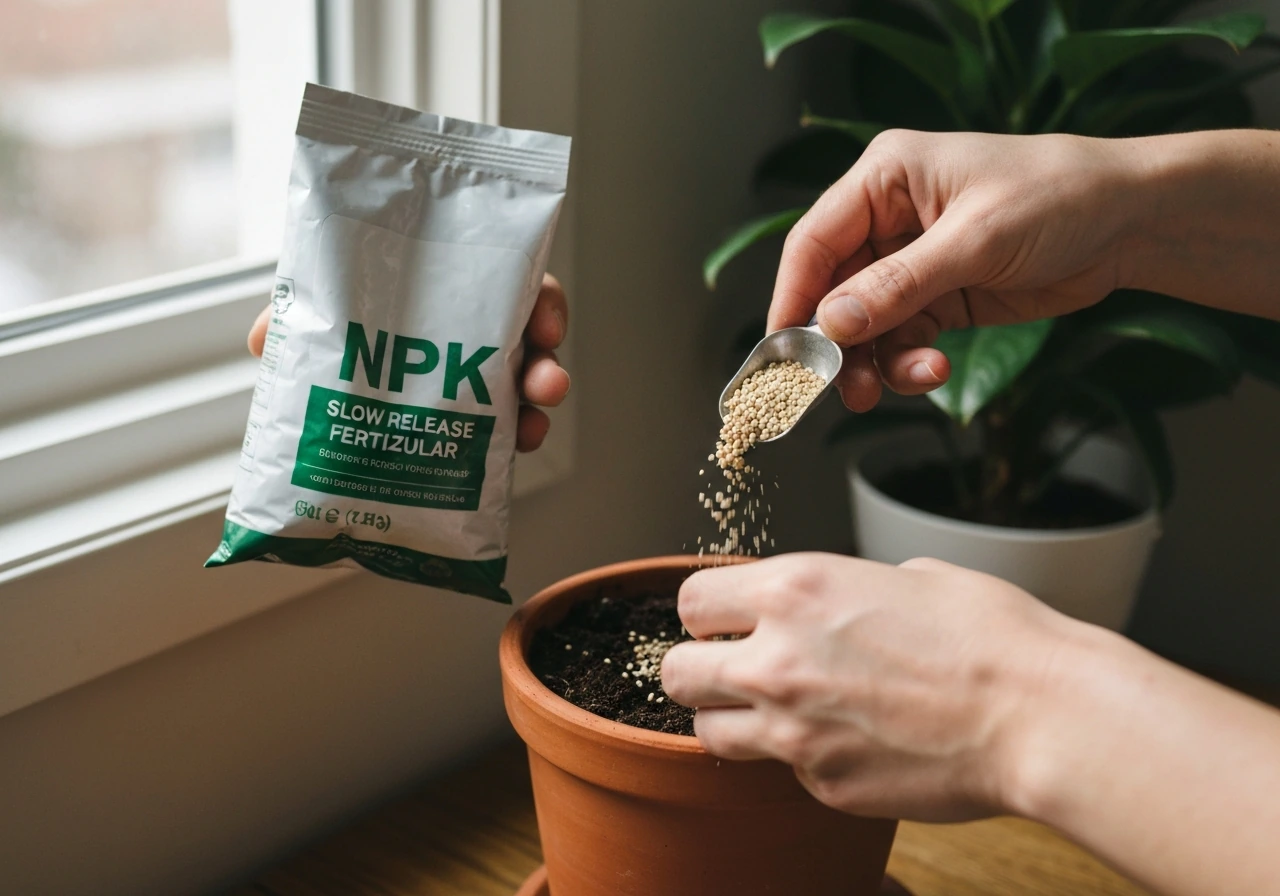
Plants need macronutrients (nitrogen, phosphorus, and potassium, the N-P-K on every fertilizer bag) and a range of micronutrients in smaller amounts. Nitrogen drives leafy growth; a deficiency shows up as slow growth and pale yellow-green leaves, especially on older foliage. Phosphorus supports root development and flowering; deficiency can cause stunted growth or a reddish-purple tint to leaves. Potassium deficiency typically appears as browning along the edges of older leaves.
For most plants, a balanced slow-release granular fertilizer applied once at the start of the growing season covers the basics. Liquid fertilizers work faster and are better for plants in active growth spurts or for quickly correcting a deficiency. Liquid fertilizers can help plants grow best, especially when the plant is in active growth and needs nutrients quickly. They need more frequent application but let you respond quickly. In containers, where nutrients leach out with every watering, liquid feeding every two to four weeks during the growing season is usually a good rhythm.
The biggest fertilizing mistake is more, not less. Penn State Extension is direct about this: over-fertilizing in containers builds up soluble salts in the potting medium, which damages roots by slowing water uptake and making the plant more vulnerable to disease. Signs of over-fertilization include a white crusty deposit on the soil surface, and browning at leaf tips and margins. If you see those signs, flush the pot thoroughly with plain water to leach excess salts out. OSU Extension confirms that the burn mechanism is essentially salt drawing moisture out of plant tissue.
The safest rule: follow the label rate, or go slightly under it. More fertilizer is not a shortcut to faster growth. It's a fast track to root damage.
Temperature, humidity, and airflow
Most foliage houseplants grow best at 65 to 75°F during the day, with night temperatures 5 to 10°F cooler. Flowering houseplants often prefer slightly cooler nights, around 55 to 60°F, which encourages bud set. UMD Extension pegs the sweet spot for foliage plants at 70 to 80°F days and 60 to 68°F nights. These aren't difficult ranges to hit in most homes, but watch out for cold drafts near windows in winter and hot blasts from heating vents, which stress plants even if the room average is fine.
Outdoors, heat stress becomes a real issue above about 104°F, where many plants will show visible distress regardless of watering. If you're in a hot climate, afternoon shade, mulching, and consistent moisture are your main tools for managing heat stress. Wind stress is also underappreciated. Strong wind increases transpiration and can desiccate leaves faster than roots can replace moisture, especially in young transplants.
Humidity matters most for tropical houseplants like calatheas, ferns, and orchids. Most homes run at 30 to 50% relative humidity, which is fine for the majority of plants. Tropicals often prefer 50 to 70%. A pebble tray with water under the pot, grouping plants together, or a small humidifier near your plant corner all help without being complicated. Airflow is the flip side: good air circulation reduces fungal disease and strengthens stems. Don't cram plants so tightly that air can't move between them.
Myths, folk remedies, and what actually helps
A lot of gardening folklore gets passed around confidently, and some of it ranges from harmless to actively counterproductive. Here's a direct rundown of the most common ones.
Talking to your plants
Penn State looked at this directly and concluded there isn't much research supporting growth benefits from talking to plants. The CO2 explanation, that your breath feeds photosynthesis, would require you to talk to your plants for several hours every single day to move the needle meaningfully. It's not a practical growth driver. That said, people who talk to their plants tend to observe them more closely, catch problems earlier, and water more attentively. The plant benefits from the attention, not the conversation.
Coffee grounds
Coffee grounds are probably the most overhyped garden amendment around. OSU Extension says they can be useful in moderation and in compost, but they won't meaningfully acidify your soil for acid-loving plants like blueberries or azaleas. University of Missouri Extension is more pointed: research on their actual growth benefits is unclear, and without soil testing, they may do more harm than good. Applied directly to soil in large amounts, coffee grounds can temporarily tie up nitrogen and inhibit seed germination due to caffeine residues. Use them sparingly in compost if at all, and don't rely on them as a fertilizer.
Epsom salt
Epsom salt (magnesium sulfate) gets recommended constantly as a growth booster, but UNL Extension is clear that it's not a substitute for actual soil testing. Magnesium availability depends heavily on soil pH, and Epsom salt leaches through soil quickly. If your plant genuinely has a magnesium deficiency confirmed by a soil test, Epsom salt can address it. As a blanket application 'just because,' it's not solving anything and could contribute to salt buildup, especially in containers.
Eggshells and banana peels
These are often touted as calcium and potassium sources. In theory, they do contain those nutrients. In practice, eggshells decompose very slowly in garden soil, releasing calcium over a long timeline that doesn't match your plant's growing season. Banana peels decompose faster, especially when composted, but the potassium release is inconsistent. Both are fine in a compost pile where they contribute to a balanced finished product. Neither is a reliable direct amendment for plants that need a nutrient boost now.
What actually works
The things that reliably make plants grow better aren't glamorous: a soil test before adding amendments, compost worked into beds regularly, proper pH management, watering by soil feel rather than schedule, a balanced fertilizer at label rates during the growing season, and matching your plant to your light conditions from the start. These aren't myths. They're the boring, dependable fundamentals that experienced gardeners fall back on every time.
| Remedy | What People Claim | What the Research Shows |
|---|---|---|
| Talking to plants | CO2 from breath boosts growth | No meaningful growth effect; benefits come from closer observation |
| Coffee grounds | Acidifies soil, fertilizes plants | Won't acidify enough; can tie up nitrogen and inhibit germination in excess |
| Epsom salt | Boosts magnesium, improves growth | Only useful if magnesium deficiency confirmed by soil test; leaches quickly |
| Eggshells | Adds calcium directly to soil | Decomposes too slowly to matter; better used in compost |
| Banana peels | Boosts potassium | Inconsistent release; better used in compost than applied directly |
| Gravel at pot bottom | Improves container drainage | Actually raises the saturation zone, worsening root conditions |
When your plant isn't growing: a quick troubleshooting checklist
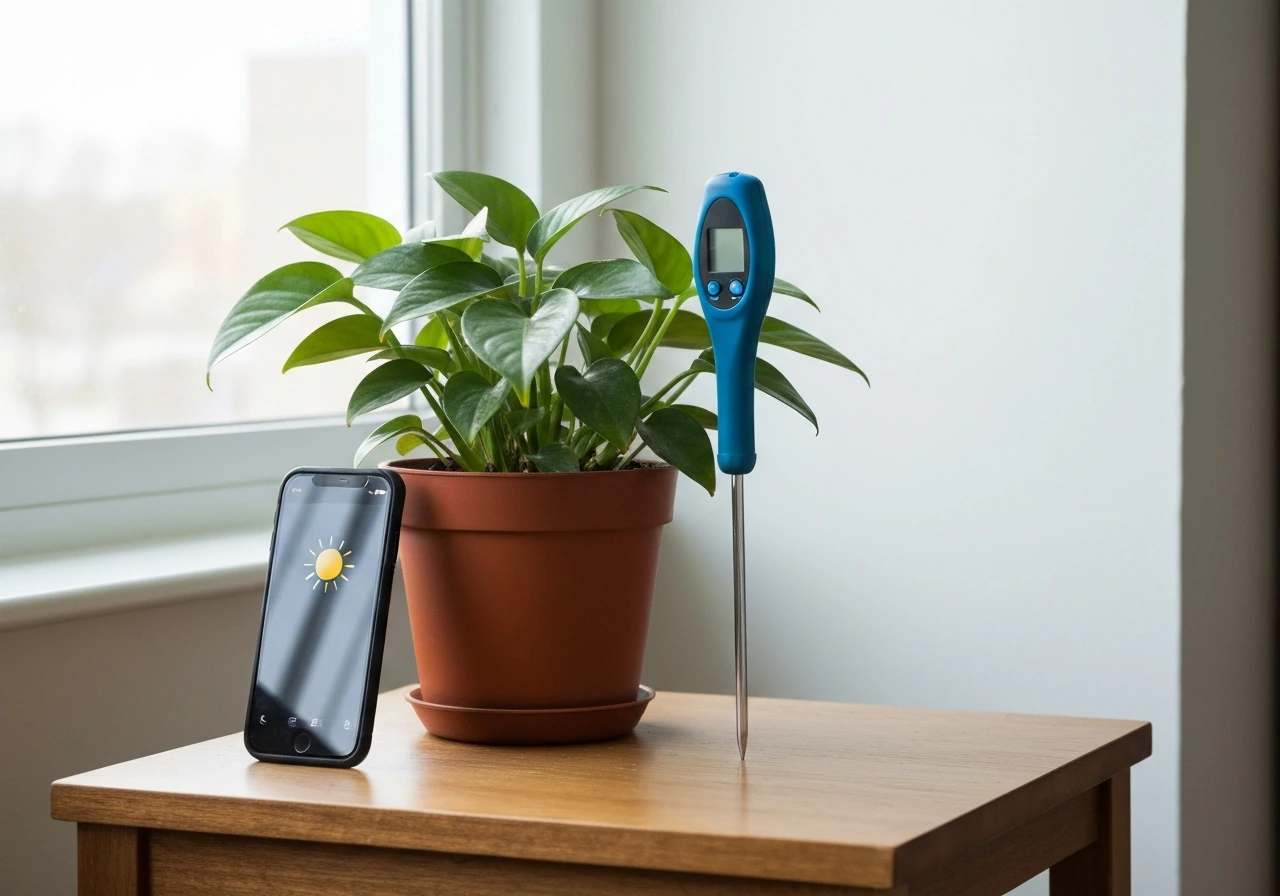
Slow or stalled growth almost always traces back to one of five things. Work through this list in order before reaching for a fertilizer or a folk remedy.
- Check the light first. Is the plant actually getting the hours and intensity it needs? Move it somewhere brighter for two weeks and see if anything changes before assuming the problem is nutrients or water.
- Check the soil moisture by feel, not by schedule. Stick your finger 1 to 2 inches into the soil. Wet and cold means you're likely overwatering. Bone dry and pulling away from the pot sides means underwatering. Adjust accordingly.
- Check drainage. Does the pot have working drainage holes? Is the soil pulling away from the sides (rootbound or hydrophobic soil)? If the soil repels water, the plant is drought-stressed even if you're watering regularly. Try bottom-watering to rehydrate the root ball.
- Check the soil or potting mix. Is it compacted, heavily decomposed, or more than two years old in a container? Old potting mix loses its structure, compacts, and stops draining well. Repot into fresh soilless mix if needed.
- Check for nutrient deficiency or toxicity. Yellow leaves on older growth first suggest nitrogen deficiency. Browning leaf tips and edges with a white crust on soil surface suggests salt buildup from over-fertilizing. Purple-tinted leaves or stunted roots suggest phosphorus deficiency. Confirm with a soil test before adding amendments.
- Check temperature and stress. Is the plant near a heating vent, cold window, or in a drafty spot? Consistent temperature stress will slow growth even when everything else is right.
- Check for pests. Spider mites, fungus gnats, scale, and mealybugs are all slow-motion growth killers. Look at the undersides of leaves and around the soil line. Treat before expecting a growth response from anything else.
If you're working on what to add to your water or soil specifically, or trying to figure out the best liquid to water with, those questions have their own depth worth exploring. Choosing the right water for your plants depends on factors like water temperature, mineral content, and whether it drains and aerates well in your soil or potting mix best liquid to water with. Many gardeners also ask what to put in water, but the best “add-in” is usually plain, clean water used with the right watering method. The core answers here are your foundation, but the details of what goes into the water and soil can make a real difference once you've got the basics dialed in.
The honest summary: there's no magic input that transforms a struggling plant into a thriving one. Plant growth is often fastest when you use the right liquid fertilizer or nutrient solution at the right dilution, rather than guessing. But there are five or six conditions that, when you get them right together, make good growth almost automatic. Start with light, nail the watering, use decent soil, feed appropriately, and give your plant a stable environment. If you want a quick starting point, focus on using a quality potting mix plus the right fertilizer for your plant type. If you want the quickest gains, focus on the basics first: light, watering, and soil, then add nutrients only when your plant actually needs them what to add to plants to help them grow. If you're wondering what to add to soil, start with compost for structure and nutrients, then correct pH if a soil test shows it’s needed. That's the whole answer.
FAQ
What’s the fastest way to tell what’s limiting my plant, light or watering?
Do a quick check at the same time every day for 2 to 3 days: if leaves perk up after watering and droop again before the next watering, water is likely the issue. If the plant stays limp even when soil is still moist, check for low light, cold drafts, or root problems (wet, rotting roots) rather than adding more fertilizer.
Can I use the same potting mix for both indoor plants and outdoor containers?
Not ideal. Outdoor containers need mixes that drain quickly but also handle heat swings. If you use indoor potting mix outside, watch for faster drying and possible compaction over time, and consider mixing in extra perlite for aeration if you see slow drainage.
Do I need fertilizer if I’m repotting into fresh potting mix?
Usually no for a short window. Many quality mixes include starter nutrients that can last a few weeks to a couple of months. If growth slows later, switch to a light feeding routine based on active growth, not right after repotting.
How much should I water when the top inch feels “barely moist”?
Water thoroughly until excess drains out the bottom, then stop. “Top inch barely moist” is a trigger to water again, but the goal is full root-zone wetting plus complete drainage, not frequent small sips that keep lower roots oxygen-starved.
What should I do if I see white crust on top of my potting mix?
Treat it as salt buildup from fertilizer or hard water. Flush the pot with plain water until you get clear runoff, then pause feeding for a bit and resume at a lower rate. Going forward, use distilled or rainwater if your tap water is very mineral-heavy.
My plant is growing but has pale leaves, should I add more fertilizer?
First confirm pH and light. Pale or yellowing foliage is often either insufficient light or nutrient lockup from off-target pH. If the plant is in low light, moving it to brighter conditions can correct the problem faster than increasing nutrients.
Is it better to use liquid fertilizer or slow-release fertilizer for beginners?
Slow-release is often more forgiving because it reduces the risk of salt buildup and mistakes with dilution frequency. Choose liquid if you know your plant is in active growth and you want precise correction, but plan to follow label dilution carefully and don’t overfeed.
How can I avoid root rot when plants look wilted?
Check the soil and roots, not just the leaves. Wilt plus wet, sour-smelling soil points to overwatering, not dehydration. If the pot stays wet for days, repot into a mix with better structure, ensure drainage holes are clear, and trim any mushy roots.
What’s the safest time to move plants outdoors for the first time?
Wait until night temperatures are consistently similar to what the plant experienced indoors, and start with morning sun only. If nights are still cool, use a gradual transition over 2 to 3 weeks, bringing plants inside or to shade during cold nights.
Should I mist my houseplants to increase humidity?
Misting provides short-lived humidity and can leave water on leaves that encourages fungal issues for some plants. It helps most for surface-dry climates when combined with a humidifier or pebble tray, not as the only humidity strategy.
What water temperature is best for watering houseplants?
Use water close to room temperature to avoid shocking tender roots. Very cold tap water can stress plants, especially in winter or for plants kept near cold windows, even if the watering amounts are correct.
How do I know whether my soil pH is off without guessing?
Use a simple soil test kit and test before adding amendments or “natural” fixes. If pH is outside the roughly 6.0 to 7.5 availability range, changing pH gradually is safer than repeatedly adding nutrients that may become unavailable.
Is compost always the best “add-in” for any plant?
Compost is generally beneficial, but go lighter on compost if a plant prefers very fast-draining conditions (many succulents and cacti) because extra compost can hold too much moisture. For these plants, use a gritier mix and reserve compost mainly for beds or plants that like more consistent moisture.
What’s good for plants to grow in small spaces, like balconies or windowsills?
Prioritize light matching and drainage first. In small containers, use a quality potting mix, pots with drainage holes, and choose varieties that tolerate your exact sun hours (for example, leafy greens for partial sun, fruiting plants or flowers for brighter spots).
If my growth is stalled, what should I check first before changing fertilizer or soil?
Work from the basics: confirm light is adequate, check soil moisture and drainage, and verify temperature conditions (drafts and heat stress). Fertilizer changes come last because the most common causes of stalling are light shortage, watering imbalance, or root oxygen problems.
Next Articles
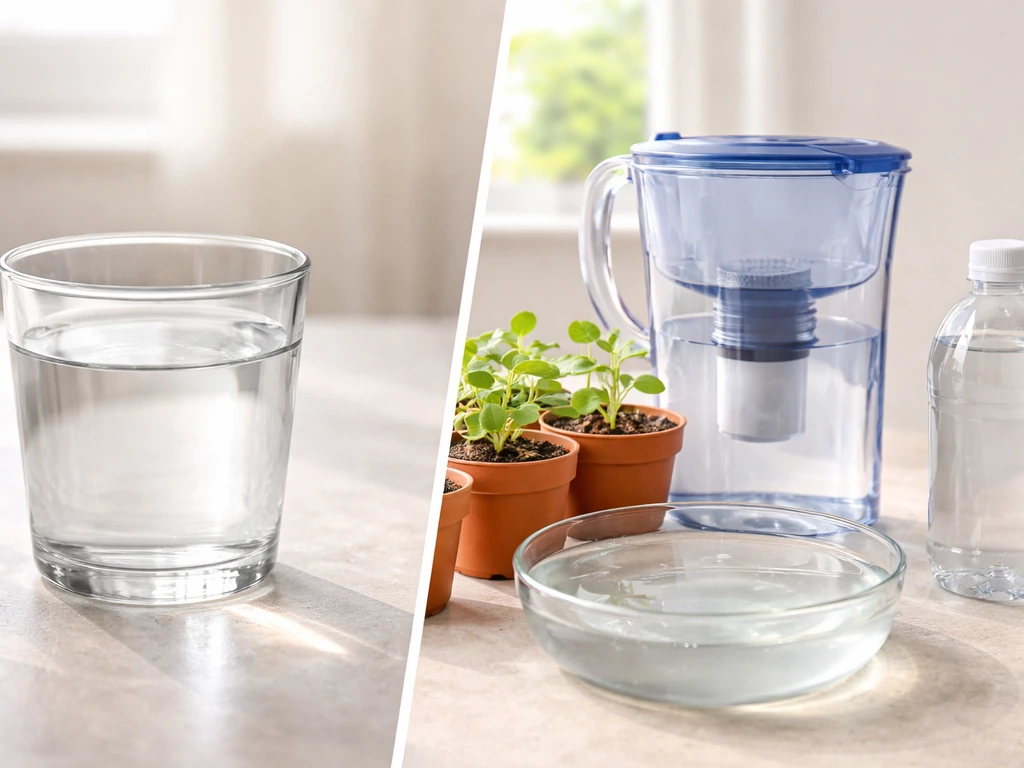
Which Water Is Best for Plants to Grow: pH, Hardness, Salts
Choose the best plant water by pH, hardness, and salts, with at home tests and fixes for tap, filtered, rain, RO
What Type of Water Helps Plants Grow Faster and Why
Learn which water types boost plant growth faster, plus pH, chlorine, hardness, and how to water for faster results.
What to Put in Plants to Make Them Grow: Soil, Nutrients, and Tips
Learn what to add to soil or foliage for stronger growth, plus safe fertilizer, compost, pH, and watering fixes.