Rainwater is the best water for growing plants faster, and it's not even close. If you are wondering what liquids make plants grow faster beyond plain water, rainwater is usually the top choice because it is naturally more nutrient-friendly. It lands at a slightly acidic pH (around 5.5 to 6.5), carries dissolved nitrogen, contains no chlorine or chloramine, and has a soft mineral profile that roots actually prefer. If you can collect it, use it. But since most people can't collect enough rainwater to cover all their plants all season, the practical ranking goes: rainwater first, filtered or aged tap water second, straight tap water third, and distilled water last. Here's why that order makes sense, and more importantly, what you can actually do today to get your plants moving faster. The best liquids for helping plants grow fastest are clean water at the right pH, with minimal interfering salts like chlorine or chloramine.
What Type of Water Helps Plants Grow Faster and Why

How plants actually use water to grow faster
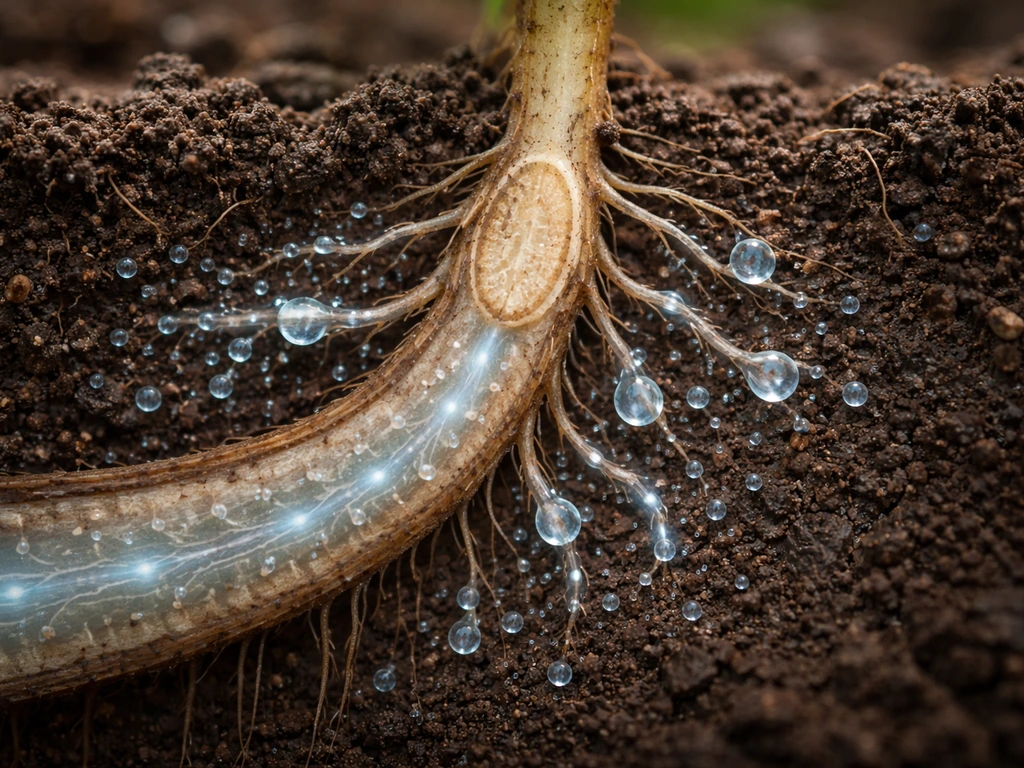
Growth speed isn't really about water volume. It's about what water does inside the plant. Water is the transport medium for every nutrient a plant pulls from the soil. It creates turgor pressure, which is the hydraulic force that keeps cells rigid and expanding. When cells expand, roots elongate, stems lengthen, and leaves unfurl. No water, no pressure, no growth. But here's the thing most people miss: the quality of that water directly affects how efficiently the root system works.
Roots take up water through osmosis, moving water from areas of higher concentration (the soil) into areas of lower concentration (the root cells). If the water around the roots is loaded with dissolved salts or minerals, the osmotic gradient shrinks, and uptake slows. Research on salinity confirms this: high salt concentrations reduce soil osmotic potential, making it genuinely harder for plants to pull water in. That's not folk wisdom, that's basic plant physiology. So water that is clean, at the right pH, and low in interfering salts allows roots to work at full efficiency, which translates directly to faster growth.
There's a second mechanism: oxygen. Roots need oxygen at their tips to sustain active growth. Waterlogged soil cuts off oxygen diffusion, and when oxygen can't reach the root apex, elongation stops. Some plants tolerate this better than others by growing aerenchyma (air channels inside the root tissue), but most common garden plants and houseplants don't have that luxury. So watering technique matters as much as water type, because how you apply water determines whether roots stay aerated or suffocate.
Best water types: rainwater vs tap vs filtered vs distilled
Let me break down each option honestly, because there's a lot of gardening mythology floating around all of them.
| Water Type | pH Range | Chlorine/Chloramine | Mineral Content | Best Use Case |
|---|---|---|---|---|
| Rainwater | 5.5–6.5 | None | Low, with dissolved nitrogen | All plants, especially acid-lovers |
| Tap water (municipal) | 7.0–8.5 | Present | Variable, often hard | Fine for most plants after aging or filtering |
| Filtered / RO water | 6.0–7.0 | Removed | Low to none (RO) | Good for sensitive plants; may need mineral supplementation |
| Distilled water | ~7.0 | None | None | Use only short-term or with added nutrients |
| Well water | Varies widely | None | Often high (iron, calcium) | Test first; may need softening or pH adjustment |
Rainwater
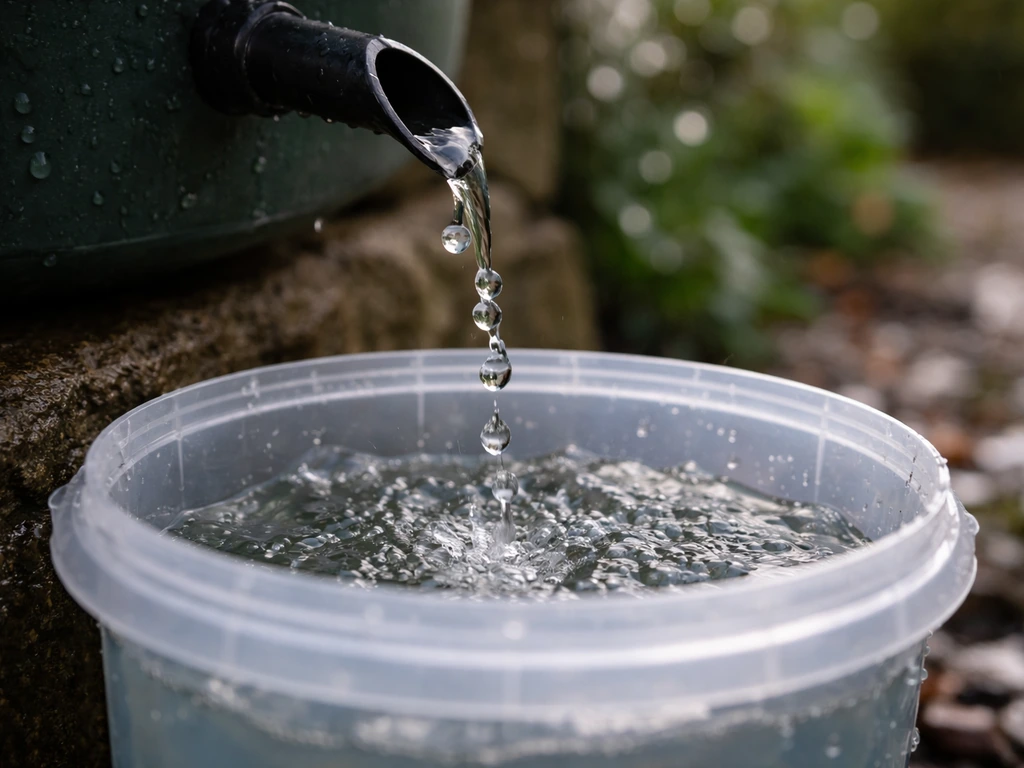
Rainwater wins because it hits plants in the sweet spot on almost every metric. If you want the practical answer to what's good for plants to grow, start with clean, low-salt water and deliver it at the right pH for your plant. The slightly acidic pH matches what most plants want (the ideal range for nutrient availability is roughly 6.0 to 7.0 for most species). It contains atmospheric nitrogen in dissolved form, which is a mild free fertilizer. And it has no disinfectants. Plants watered consistently with rainwater often show noticeably greener, more vigorous growth within a few weeks compared to hard tap water, especially acid-loving plants like blueberries, azaleas, and most tropical houseplants.
Tap water
Tap water is perfectly functional for most plants most of the time. The two real problems are chlorine/chloramine and hardness. Chlorine off-gasses if you let tap water sit uncovered overnight (24 hours is enough). Chloramine does not off-gas the same way, so if your municipality uses chloramine (many now do), you need a filter or a dechlorination product. Hard tap water, which is common across much of the US and UK, deposits calcium and magnesium salts in soil over time, gradually raising soil pH and interfering with nutrient uptake. If you're watering with hard tap water and notice yellowing leaves despite fertilizing, this is likely why.
Filtered and reverse osmosis water
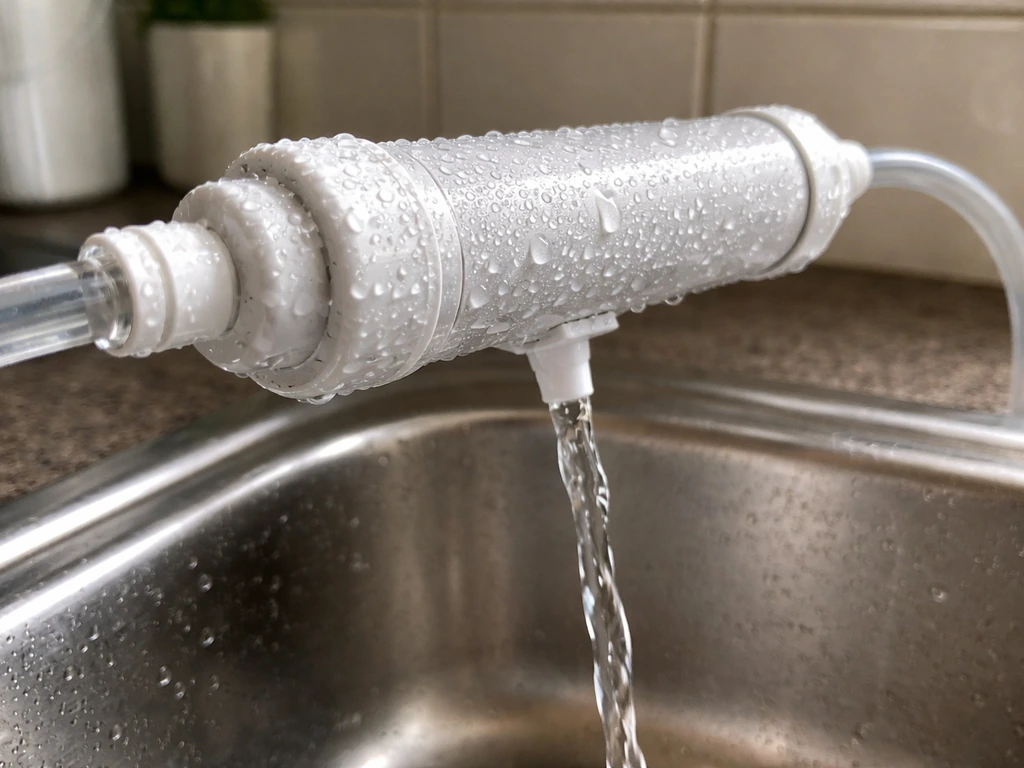
Carbon-filtered water removes chlorine and chloramine effectively and is a solid everyday option. Reverse osmosis (RO) water strips out nearly everything, including beneficial minerals, and typically delivers water in the 6.0 to 7.0 pH range. For most plants, this is a great starting point, but if you're growing in inert media or using RO exclusively in soil, you may need to add a balanced fertilizer more consistently since the water isn't contributing any minerals at all. RO water is especially good for carnivorous plants (which hate minerals) and for anyone in a hard-water area who is struggling with salt buildup.
Distilled water
Distilled water is the purest option and the most misunderstood. It's fine for short-term use but not ideal as your only water source for long-term plant growth. The complete absence of minerals means the water has almost no buffering capacity, so soil pH can shift unpredictably. More practically, if your soil or fertilizer regimen isn't compensating, plants can develop deficiencies. Use distilled water for carnivorous plants, for mixing fertilizers when you want precision, or to flush salt-accumulated soil. Don't make it your default for healthy, fast-growing garden plants.
Water quality factors: minerals, pH, chlorine and chloramine, hardness
If you only test one thing about your water, test pH. Most nutrients become unavailable to plant roots outside the 6.0 to 7.0 range (or 5.5 to 6.5 for acid-preferring species). Alkaline water, which is common with hard tap water, nudges soil pH upward over time, locking out iron, manganese, and zinc even when those nutrients are physically present in the soil. You can adjust pH downward with pH-down solutions (phosphoric acid based) or simply by using a mild acidic rinse like diluted citric acid. A pH meter costs under $20 and is genuinely one of the best investments a plant grower can make.
Chlorine at normal tap water levels (0.5 to 2 ppm) doesn't kill plants outright, but it does affect beneficial soil microbes that help with nutrient cycling. Over time, heavily chlorinated water can degrade the microbial community in your soil, which indirectly slows plant growth. Chloramine is more persistent and more damaging to soil biology. If you're on a municipal system, it's worth finding out which disinfectant your supplier uses. Many water utility websites publish this.
Hard water (high in dissolved calcium and magnesium carbonates) causes two problems: it raises pH over time, and it deposits a white crusty mineral residue that you'll notice on pots and soil surfaces. In hydroponic systems, hardness is an especially critical variable because it throws off nutrient ratios. In soil, it's slower acting, but persistent use of hard water without occasional flushing causes measurable salt accumulation that stresses roots through osmotic pressure.
How to water for speed: frequency, depth, moisture targets, and timing
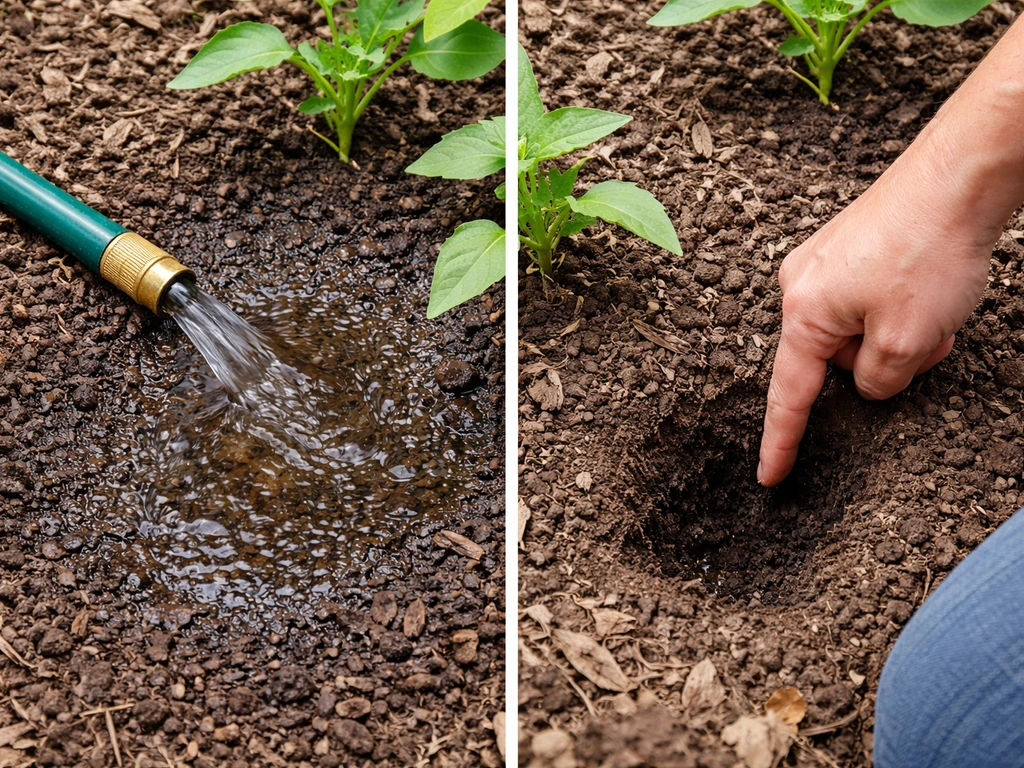
Water type gets you part of the way there. Technique gets you the rest. The biggest mistake I see gardeners make is watering too shallowly and too often. Surface watering encourages shallow root systems, and shallow roots are less efficient at accessing both water and nutrients. Deep roots, by contrast, give plants access to a larger soil volume, better temperature buffering, and more consistent moisture between waterings, all of which support faster, more sustained growth.
For outdoor beds and garden plants, aim to water deeply enough that moisture reaches 6 to 12 inches into the soil (you can check this with a finger, a soil probe, or a moisture meter). For most conditions, this means watering slowly and thoroughly once or twice a week rather than a quick spray every day. For container plants, water until you see it draining freely from the bottom, then wait until the top inch or two of soil is dry before watering again. This wet-dry cycle keeps roots actively growing by alternating between hydration and the mild, growth-stimulating stress of slight dryness.
Timing matters more than most people think. Morning watering is ideal: water is available to roots during the peak growth and photosynthesis hours, and the foliage dries before nightfall, reducing disease risk. Evening watering is the second-best option for areas with hot, dry summers where morning water evaporates quickly. Midday watering in full sun wastes the most water to evaporation and can stress plants already under heat load.
- Water deeply (6 to 12 inches for outdoor plants) rather than frequently and shallowly
- Let container soil dry slightly between waterings to encourage root expansion
- Water in the morning to align hydration with peak photosynthesis hours
- Use a moisture meter or finger test rather than a fixed schedule
- Flush containers with extra water every few weeks to prevent salt accumulation
When "faster growth" backfires: overwatering, root stress, and salts
I've seen this happen dozens of times: a gardener switches to rainwater, increases watering frequency because they're excited and invested, and the plants start declining. The water type wasn't the problem. The overwatering was. Waterlogged soil is oxygen-poor soil, and oxygen-poor soil stops root growth. Research on waterlogging stress is clear: when oxygen cannot diffuse far enough into saturated soil to reach the root tips, root elongation is inhibited. It's not a marginal effect. Roots literally stop growing. And if that condition persists, roots begin to die, fungal pathogens move in, and the plant goes downhill fast.
Salt buildup is the other slow-moving problem. If you're fertilizing regularly (as you should be for fast growth) and your water is even moderately hard, salts accumulate in the root zone over time. The higher the salt concentration, the harder roots have to work to extract water, eventually reaching a point where the plant is under constant osmotic stress even when the soil appears adequately moist. You'll see this as general decline: stunted growth, leaf edge browning, and wilting that doesn't respond to watering. The fix is a thorough flush with clean, low-mineral water to leach the salts out.
Very pure water, such as distilled or high-output RO, can also cause problems if you're not supplementing with nutrients. Plants that receive only demineralized water without any fertilizer addition often develop calcium and magnesium deficiencies first, showing up as interveinal yellowing and poor new growth. The lesson is that "better" water isn't automatically better without a matching care system.
Quick troubleshooting by plant type and symptoms
Different symptoms point to different root causes, and water quality is often the overlooked variable. Here's how to read what your plants are telling you.
| Symptom | Likely Cause | Water-Related Fix |
|---|---|---|
| Wilting despite moist soil | Root rot from overwatering or waterlogged roots | Let soil dry out; improve drainage; check for root rot |
| Yellow leaves (especially older/lower) | Nutrient lockout from high soil pH or salt buildup | Flush soil; test and adjust water pH; switch to filtered water |
| Brown leaf tips and edges | Salt accumulation or fluoride sensitivity | Flush thoroughly with low-mineral water; switch from tap to filtered |
| Stunted, slow new growth | Chloramine damage to soil biology or osmotic stress | Switch to filtered or dechlorinated water; check water pH |
| Interveinal yellowing on new leaves | Calcium or magnesium deficiency (often from pure/distilled water) | Add a balanced fertilizer or CalMag supplement; stop using only distilled water |
| Acid-loving plants (blueberries, azaleas) declining despite good soil | Alkaline tap water raising soil pH over time | Switch to rainwater or pH-adjusted water; test soil pH |
| Houseplants generally struggling | Chloramine in tap water degrading soil biology | Use filtered water or let tap water sit 24 hours (for chlorine only, not chloramine) |
The fastest path to healthier, quicker-growing plants is usually fixing one problem at a time. Start with water pH and disinfectant removal. Those two changes alone, using filtered or aged tap water adjusted to the 6.0 to 7.0 range, will produce visible improvement in most plants within two to four weeks. Combine that with deep, infrequent watering and a consistent fertilizer routine, and you're doing more for growth speed than any gardening trend or exotic water product on the market. If you're curious about going further, the companion questions of what to add to your water and what to put in your soil to boost growth even more are worth exploring once the basics are dialed in. If you want to go beyond water quality, you also need to know what to put in plants or their soil so they actually have the nutrients to grow fast what to put in plants to make them grow. What you add to plant water or soil (like the right nutrients and conditioners) matters just as much as the water quality when you want faster growth what to add to plants to help them grow. A simple way to help plants grow faster is to add a light, balanced fertilizer to the water instead of relying only on plain water. If you want faster growth in soil, focus on what to add to soil (like compost or balanced fertilizer) once your water pH and disinfectant removal are handled what to put in your soil to boost growth even more.
FAQ
What should I use if I cannot collect rainwater for my whole garden?
If you want the practical “faster growth” answer for most plants, use rainwater or filtered/aged tap water, then target the right pH for that specific plant group (roughly 6.0 to 7.0 for many species, 5.5 to 6.5 for acid-preferrers). The single biggest reason “water type” fails is that the pH is left unmanaged or the soil stays waterlogged, so test pH before chasing more exotic water sources.
Does simply leaving tap water out overnight make it as good as rainwater?
Letting tap water sit overnight can remove chlorine if your utility uses chlorine, but it will not reliably remove chloramine. If your water provider uses chloramine, you’ll need a dechlorination product or an appropriate filter. Check what disinfectant your municipality uses and only rely on aeration when you know it is chlorine.
Will RO or distilled water automatically lower soil pH and solve hard-water problems? (If not, what else is needed?)
If your soil is already slightly alkaline from hard water or previous fertilizing, RO and distilled water can prevent additional mineral load, but they will not fix existing nutrient lockout by themselves. You usually need to combine demineralized water with soil or nutrient management (for example, periodic flushing with the same low-mineral water and using a fertilizer that matches the deficiencies you see).
If I switch to better water, should I water more often to speed growth?
Yes, but the “how” matters. For most soil setups, use filtered or aged tap water, then water deeply and infrequently to avoid oxygen-starved roots. Overwatering can slow growth even with perfect water quality, so watch moisture, not just schedule. If you switch to a higher-quality water, keep the watering volume and frequency consistent unless the soil dries faster.
Is it safe to use distilled water for all my houseplants all the time? Why or why not?
Avoid using distilled water without a nutrient plan. Because it has almost no minerals and buffering, plants can show nutrient shortages, especially calcium and magnesium, as new growth turns yellow or stays weak. If you use RO or distilled long-term, pair it with a balanced fertilizer routine designed for low-mineral water.
How do I interpret a water test, hardness versus TDS or salinity, for plant growth?
“Hardness” is not the same as “salinity.” Hard water has dissolved calcium and magnesium, which tends to raise pH and can leave deposits, while salinity is about total dissolved salts that create osmotic stress. A water test that includes TDS and hardness is most useful, because two waters can both be “hard” but affect plants differently over time.
How can I tell if my plant problem is from salt buildup, not something like nutrient deficiency?
If you see stunted growth and leaf edge browning despite consistent watering, salts in the root zone are a common cause, especially when using hard water with regular fertilization. The usual remedy is a thorough flush with clean, low-mineral water, then resume with a watering routine that allows drainage and avoids constant wet conditions.
What watering technique is most important for potted plants when using filtered or rainwater?
For container plants, the quickest decision aid is the drainage check and the wet-dry rhythm: water until you see drainage from the bottom, then wait until the top inch or two is dry. If water is not draining well, even the best water type cannot prevent oxygen deprivation at the root tips.
Are pH meters accurate enough, and how do I avoid misleading readings?
A cheap pH meter is useful, but it needs basic care. Calibrate it regularly with the correct calibration solutions, rinse the probe with distilled water between uses, and store it per the manufacturer’s instructions. If you rely on uncalibrated readings, you can adjust pH in the wrong direction.
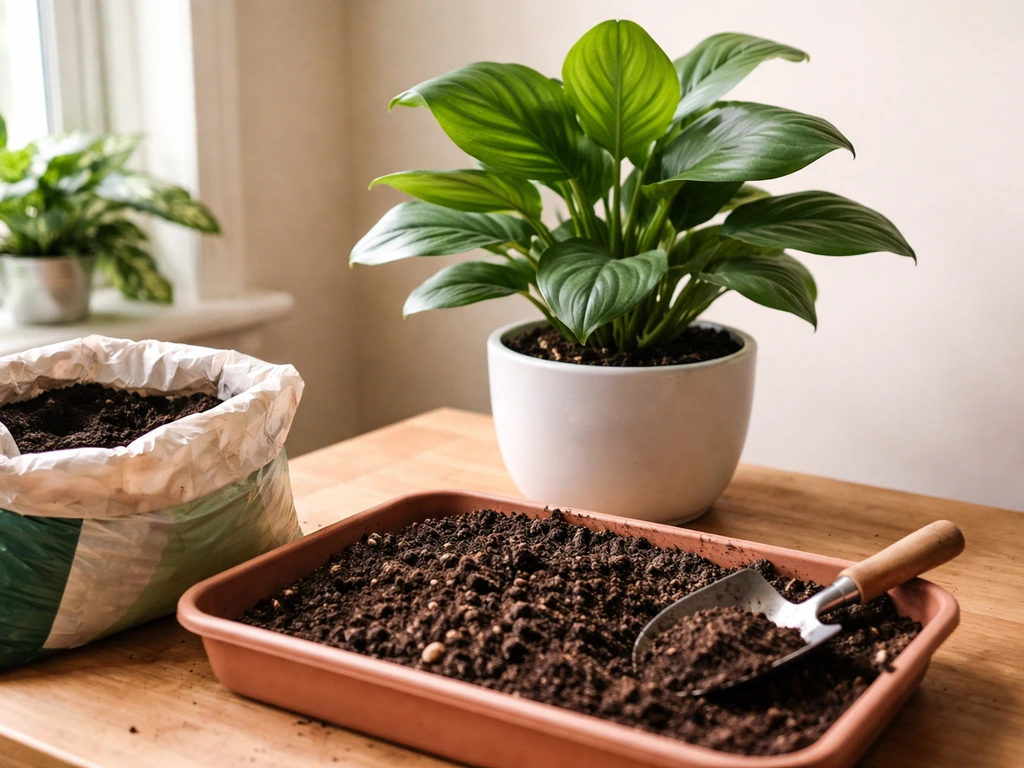
Learn what to add to soil or foliage for stronger growth, plus safe fertilizer, compost, pH, and watering fixes.
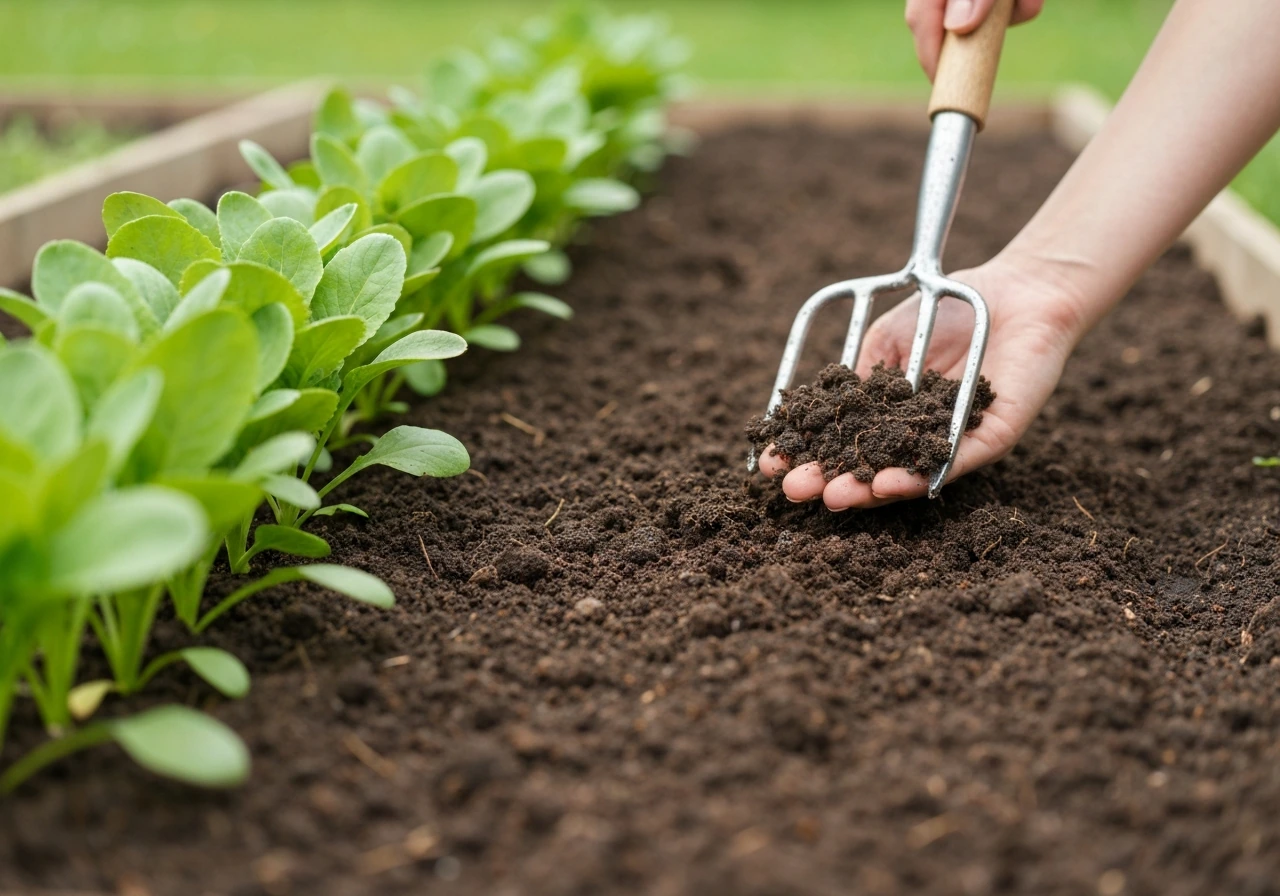
Practical soil amendments to improve structure, nutrients, and pH, with steps for common garden problems.
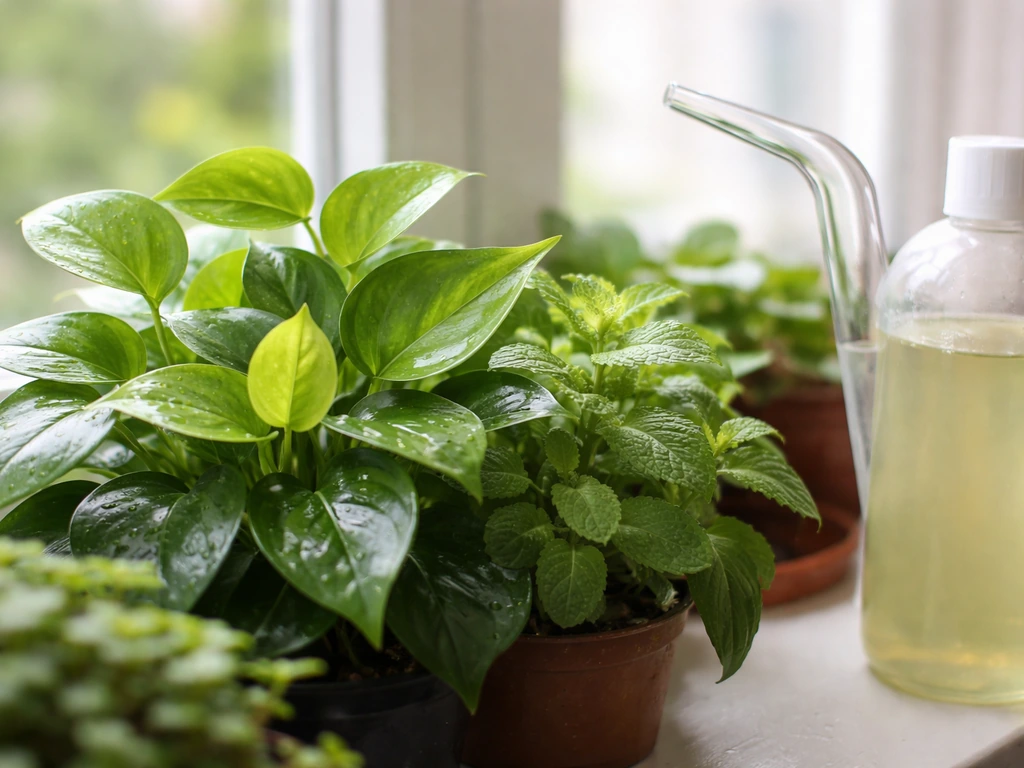
Find safe liquids that speed plant growth, which myths fail, and how to test watering and nutrients at home.