For most gardeners growing in outdoor soil or indoor containers, good quality tap water works perfectly fine. Rainwater is a close second (often better, honestly), filtered water is solid, and distilled or reverse osmosis water is best reserved for hydroponics or tricky plants. The real answer isn't about picking a "magic" water type. It's about understanding the chemistry behind your specific water source and what your plants actually need, then making small adjustments where they matter.
Which Water Is Best for Plants to Grow: pH, Hardness, Salts

Marcus Holloway
5 Jun 2026
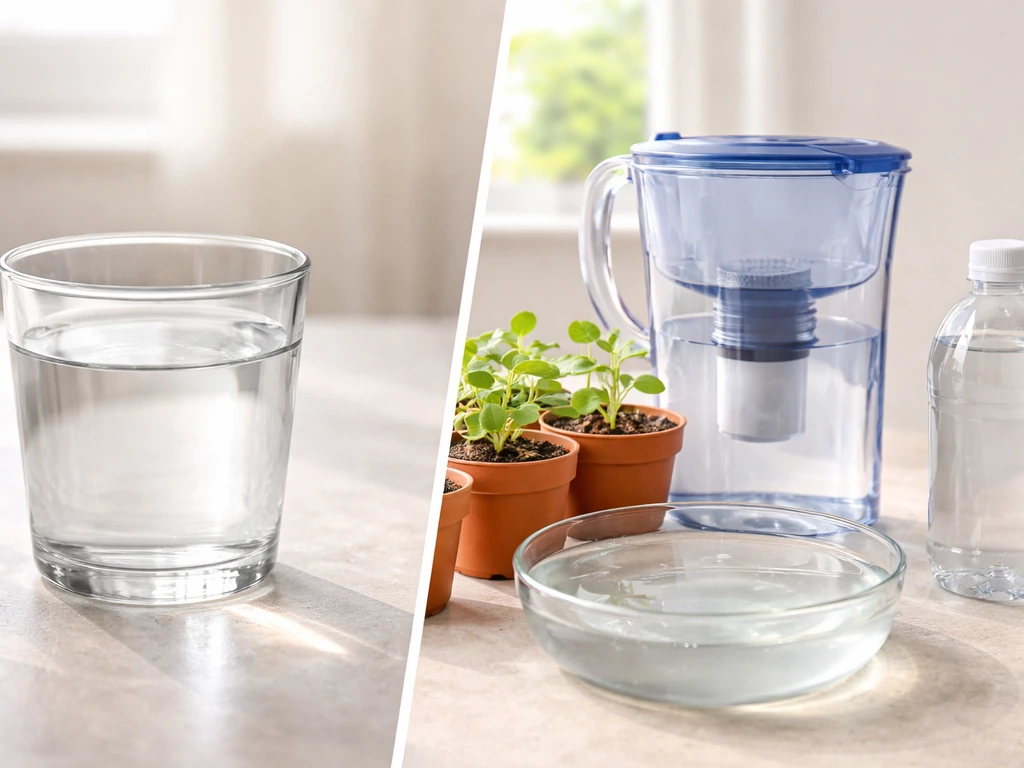
So if you’re wondering what’s good for plants to grow, start by matching your water source to your setup and test the pH and EC so you know what your plants are really getting plants actually need. Here's how to figure that out quickly and act on it today.
Tap, filtered, rain, distilled: what each one actually gives your plants
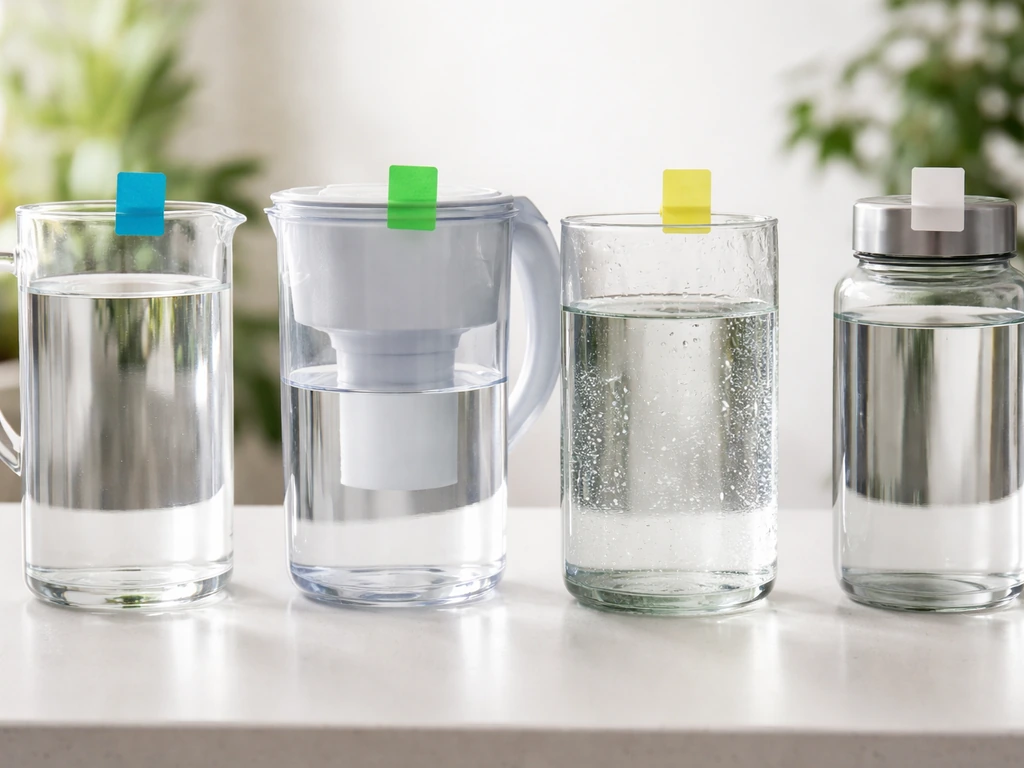
Each water source brings a different chemical profile to the root zone. Understanding those differences tells you where you need to intervene and where you can relax.
Tap water
Municipal tap water is treated with chlorine or chloramine to make it safe to drink. The CDC considers levels up to 4 mg/L (4 ppm) safe in drinking water, and in practice most municipal supplies run well below that ceiling. At typical household concentrations, chlorine does not meaningfully harm established plants. The real variables in tap water are pH, hardness, and alkalinity, which vary enormously from city to city. In one neighborhood your tap might come out at pH 7.2 with moderate hardness, in another it's pH 8.0 and very hard. That difference matters far more than the disinfectant level.
Rainwater
Rainwater is naturally soft, slightly acidic (usually pH 5.6 to 6.5), and nearly free of dissolved salts. That makes it genuinely excellent for most plants, especially acid-lovers like blueberries, which thrive at soil pH 4.0 to 5.5. It also contains trace dissolved nitrogen from the atmosphere, a minor but real bonus. The main practical issue is collection, storage, and the risk of contamination from roof materials or standing water. If you can collect it cleanly and use it within a week or two, rainwater is hard to beat for outdoor and indoor plants alike.
Filtered water
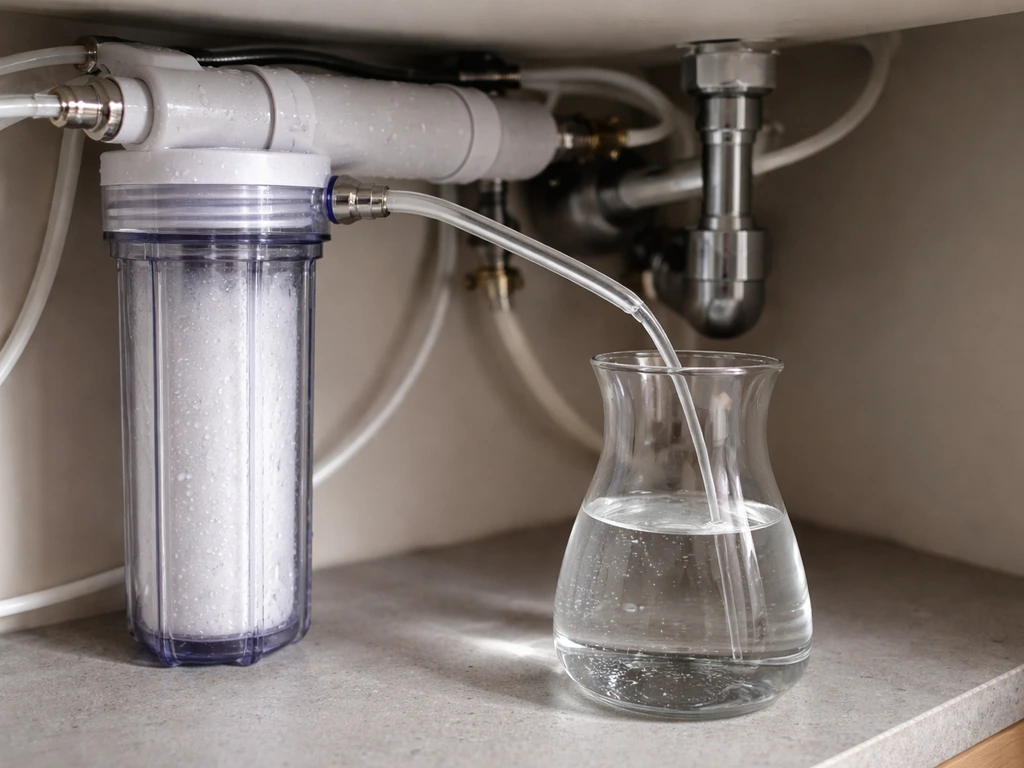
Carbon-filtered water (pitcher filters, fridge filters, under-sink units) removes chlorine, chloramine, and some organic compounds, but it doesn't strip out hardness minerals or significantly change pH. For most plants this is effectively an upgrade over straight tap, mostly because you're removing disinfectants without losing the beneficial calcium and magnesium that come with moderate hardness. If your tap is already within good ranges, filtered water is a nice-to-have rather than a necessity.
Distilled and reverse osmosis (RO) water
Reverse osmosis uses a pressurized membrane to strip out virtually all dissolved impurities, producing water that's as close to pure H2O as you'll get at home. Distilled water achieves a similar result through evaporation and condensation. Both give you a nearly blank slate: very low EC, minimal dissolved salts, and no alkalinity buffering. That's ideal for hydroponics and soilless systems where you want precise control over every nutrient going in. For regular soil gardening, pure RO or distilled water can actually be a step backward because it removes calcium and magnesium that plants benefit from.
| Water Type | Typical pH | Hardness | Dissolved Salts (EC) | Best Used For |
|---|---|---|---|---|
| Tap water | 6.5–8.5 (varies) | Varies widely (soft to very hard) | Low to moderate | Outdoor soil, indoor containers (check your local supply) |
| Rainwater | 5.6–6.5 | Very soft (near 0) | Very low | Most plants, especially acid-lovers |
| Carbon-filtered | Similar to tap | Similar to tap (minerals retained) | Similar to tap | Indoor containers, sensitive plants |
| Distilled / RO | ~6–7 (unbuffered) | Near 0 | Near 0 | Hydroponics, soilless systems, orchids, carnivorous plants |
| Softened water | Similar to tap | Low (Ca/Mg replaced by sodium) | Elevated sodium | Not recommended for plants |
Why water chemistry is what actually drives growth
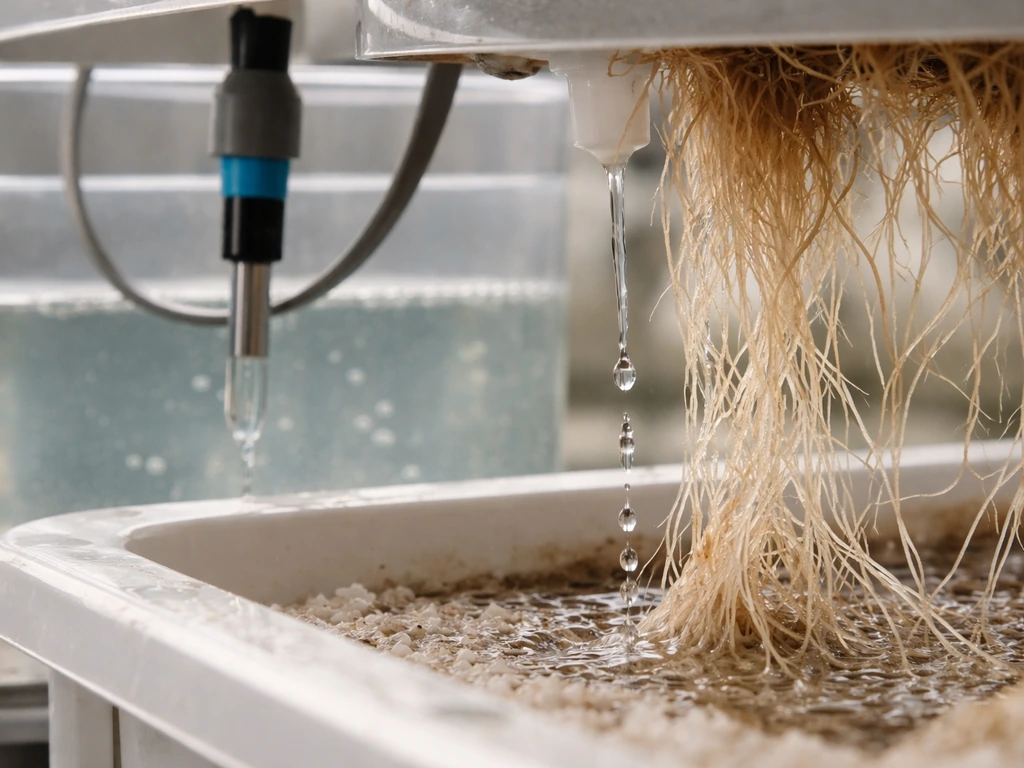
Water is not just a delivery vehicle for hydration. It carries minerals, raises or lowers soil pH over time, and changes how available nutrients are to roots. If you are wondering what to put in your water, the best option is usually just to adjust pH and, if needed, add only the nutrients your plants require. Three numbers define your water quality more than any other: pH, hardness (calcium and magnesium), and EC (electrical conductivity, a measure of total dissolved salts). If you want plants to grow faster, the goal is to use water that hits the right pH, hardness, and low enough salt levels for your growing setup pH, hardness, and EC.
pH: the nutrient availability dial
The pH of your irrigation water directly affects the pH of your soil or growing medium over time, and soil pH controls how well roots can absorb most nutrients. In hydroponic systems Penn State Extension recommends a pH window of 5.0 to 7.0, with the sweet spot closer to 5.5 to 6.5 for most crops. In soil-based gardening the target is generally 6.0 to 7.0 for vegetables and most ornamentals. Repeatedly watering with high-pH water (above 7.5 or 8.0) gradually drives the root zone alkaline, which can lock out iron, manganese, and other micronutrients even if your fertilizer program is perfect.
Hardness: calcium and magnesium matter
Hard water gets a bad reputation in gardening circles, but moderate hardness is actually beneficial. Calcium and magnesium are essential plant nutrients, and Penn State Extension identifies 100 to 150 mg/L as an ideal hardness range for irrigation water. UF/IFAS recommends a target range of 50 to 150 ppm and notes that very soft water (below 50 ppm) is not ideal for landscape irrigation precisely because it delivers so little of these nutrients. Problems only start when hardness climbs above about 200 ppm and begins depositing scale on leaves and drip emitters, or when hard water is combined with high alkalinity and pushes pH up over time.
EC and total dissolved salts
EC (electrical conductivity) measured in millisiemens per centimeter (mS/cm) or deciSiemens per meter (dS/m) tells you how much total dissolved material is in your water. In hydroponics the University of Missouri recommends an EC of 0.2 to 0.8 dS/m for the water source before adding nutrients, with alkalinity between 40 and 160 ppm as CaCO3 equivalent. High EC from your source water means you're already loading salt into the root zone before any fertilizer. Penn State Extension is clear that elevated conductivity can damage growth media and disrupt both nutrient and water uptake. For outdoor soil, this matters less because rain and drainage flush salts, but in containers and closed systems it builds up fast.
Alkalinity: the pH buffer you can't ignore
Alkalinity (total carbonates and bicarbonates in the water) is related to but different from pH. High-alkalinity water above 75 ppm CaCO3 equivalent tends to push nutrient solution pH upward over time, meaning you'll constantly be chasing pH down in a hydroponic system. Oklahoma State Extension specifically flags this threshold and warns that growers using high-alkalinity water need to budget for more pH correction product. Penn State Extension echoes this, noting that both too-high and too-low alkalinity cause media pH drift.
Simple at-home tests that actually tell you something useful
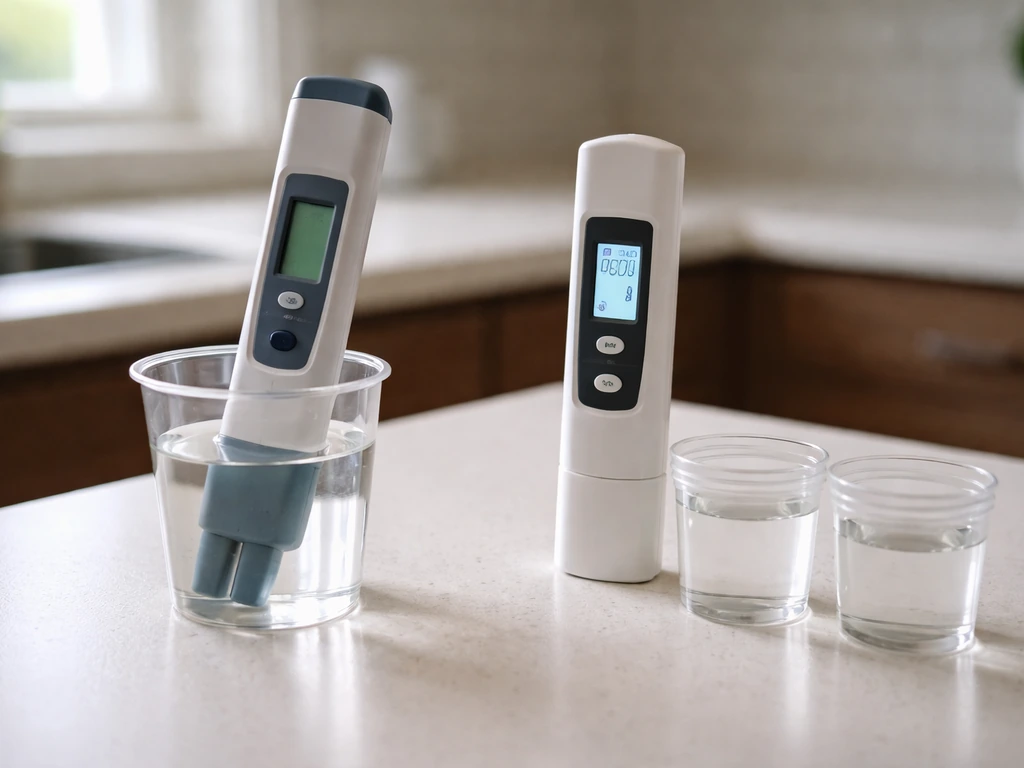
You don't need a lab. Three inexpensive tests cover the most important water quality factors for gardeners, and the results directly map to action steps.
- pH test: A digital pH pen (around $15 to $25) is far more accurate than test strips. Collect a sample of your water and measure it. Target 6.0 to 7.0 for soil gardening, 5.5 to 6.5 for hydroponics. If you're above 7.5 regularly, pH-adjusting before watering will make a noticeable difference.
- EC/TDS meter: Also $15 to $25, this measures total dissolved salts. For irrigation water going into soil, readings below 1.0 dS/m (about 640 ppm TDS) are generally safe. For hydroponic source water, aim for under 0.5 dS/m before adding nutrient solution. Very high readings (above 2.0 dS/m) signal a salt problem worth investigating.
- Hardness test: Aquarium hardness test kits or strips ($8 to $15) give you a reasonable reading. Aim for 50 to 150 ppm. Below 50 ppm, you may want to let tap water supplement rainwater or RO water. Above 200 ppm, you're in territory where long-term soil buildup could become an issue in containers.
UF/IFAS also recommends checking for suspended solids if you're using well water, pond water, or collected rainwater, since particles clog drip emitters and leave deposits on leaves. A simple visual inspection and a fine mesh filter usually handles this. For a complete picture, a one-time full irrigation water test from a university extension lab typically costs $20 to $50 and gives you pH, EC, hardness, alkalinity, and often sodium and chloride levels all at once. It's worth doing at least once if you're serious about your setup.
Matching your water to your setup and plant type
The "best" water genuinely changes depending on what you're growing and how. In general, the best liquids for plant growth are the ones that match your plant's needs for mineral content, pH, and overall dissolved salts liquids that help plants grow best. Here's how to think about it by situation.
Outdoor soil gardening
For most outdoor vegetable beds and borders, tap water in the moderate hardness range (50 to 150 ppm) with a pH below 7.5 is perfectly fine. Rain does most of the heavy lifting in flushing accumulated salts and correcting pH drift. If you're on a well with high hardness or a municipal supply with very high pH, blending half tap with half collected rainwater is a practical, low-cost improvement. Acid-loving plants like blueberries benefit from using rainwater or pH-adjusted tap water consistently, since even modest alkalinity in irrigation water will slowly drive soil pH above their preferred 4.0 to 5.5 window.
Indoor containers and houseplants
Containers are more sensitive than garden beds because there's no natural flushing. Salt buildup from tap water is a real issue over months of repeated watering, especially if you're letting the pot dry out between waterings (which concentrates whatever is left behind). For indoor plants, carbon-filtered tap water, rainwater, or a blend of tap and distilled is usually the right call. Check your water's EC once. If it's consistently above 1.0 dS/m, consider either flushing your containers with plain low-salt water every few weeks or switching to a lower-salt source entirely.
Hydroponics and soilless systems
This is where water quality has the most direct, immediate impact. In hydroponics, your water is your growing medium's only source of minerals, and the pH of the nutrient solution controls whether roots can access any of them. RO or distilled water is the preferred starting point because it gives you a near-zero baseline from which to build your nutrient solution precisely. OSU Extension's practical workflow recommends getting EC into its optimum range first, then checking and adjusting pH.
For most hydroponic crops, Penn State Extension puts the optimal pH range at 5. 0 to 7. 0, with the University of Missouri's more specific recommendation of 5. 5 to 7.
0 and source water EC of 0. 2 to 0. 8 dS/m. If you're using tap water with alkalinity above 75 ppm, expect your nutrient solution pH to creep upward and plan for regular pH-down correction.
Water types to actively avoid (and why)
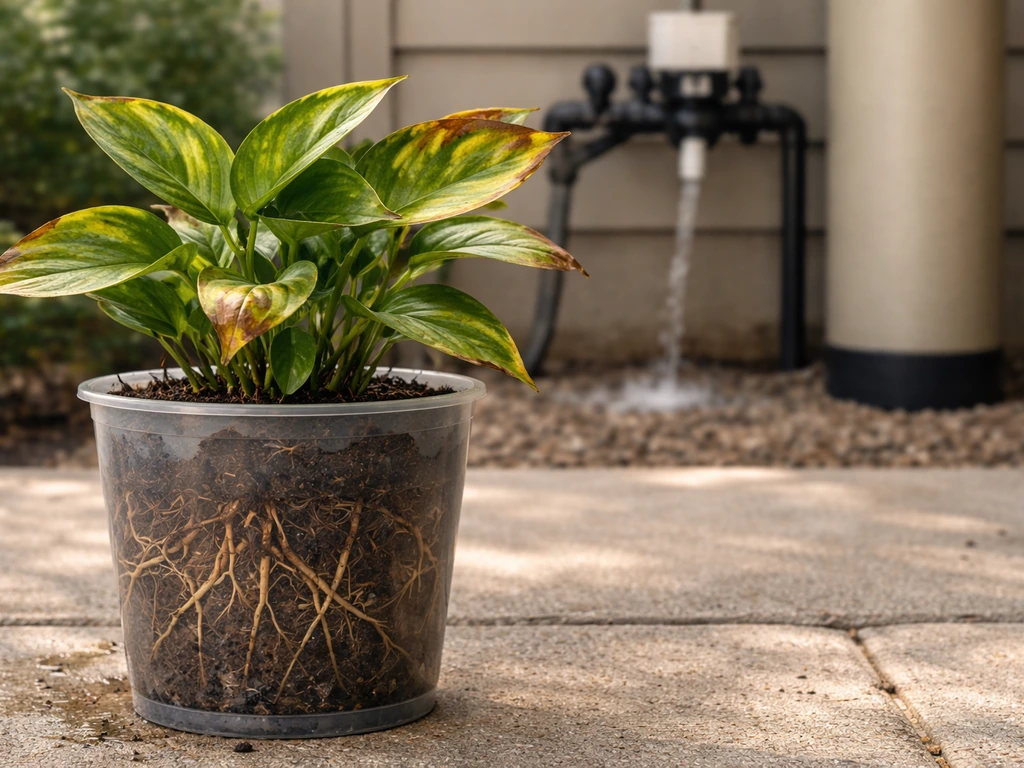
Some water sources are genuinely problematic, and a few gardening myths about bad water need clearing up at the same time.
Softened water is the real villain, not chlorinated tap
Water softeners work by replacing calcium and magnesium ions with sodium through an ion exchange process. That sodium builds up in soil over time and competes with potassium and calcium at the root level, reducing the plant's ability to take up those nutrients. The RHS specifically warns that sodium from softened water can reduce critical nutrient availability, and Penn State University has identified softened water as a common culprit when indoor plants decline for no obvious reason. Never use water from a softened tap to water plants regularly. If your whole house is softened, connect to the unsoftened outdoor tap or collect rainwater instead.
Chlorinated tap water, by contrast, is not the enemy most gardening forums make it out to be. At normal municipal levels (well below 4 ppm), chlorine does not harm most plants. If you want to remove it anyway, leaving water in an open container overnight will off-gas chlorine (though not chloramine, which requires a carbon filter or ascorbic acid treatment to neutralize). This is a personal preference call, not a necessity for plant health in most cases.
High-salt and contaminated sources
Well water in coastal or arid regions can carry elevated sodium, chloride, or boron at levels that genuinely damage roots. Reclaimed or recycled water can carry elevated EC from mixed household and industrial sources. If you're relying on any non-municipal source and seeing unexplained leaf burn, tip dieback, or stunted growth, get a full water analysis before changing anything else. High EC water above 2.0 dS/m used consistently in containers will cause visible salt damage to roots and foliage over time.
Extremely soft or pure water in soil systems
Using distilled or RO water exclusively for soil-grown plants strips out the calcium and magnesium that hard water actually delivers as a side benefit. For long-term soil growing, pure water is not ideal unless you're actively adding those minerals through your fertilizer program. UF/IFAS notes soft water below 50 ppm is not recommended for landscape irrigation for exactly this reason.
What you can do right now to improve your water
Here are the practical steps to take today, matched to the most common situations. If you’re wondering what to add to plants to help them grow, pairing the right watering approach with correct nutrition often matters more than switching water types alone.
- Test your tap water first. Grab a pH pen and a TDS/EC meter. This 10-minute check tells you whether you have a problem worth solving or whether your tap is already in a workable range.
- If tap pH is above 7.5, lower it before watering with a few drops of pH-down solution (phosphoric acid based) or citric acid per gallon. Retest until you hit your target range (6.0 to 7.0 for soil, 5.5 to 6.5 for hydroponics).
- If you have a water softener, bypass it for your plant water. Use a garden tap plumbed before the softener, or switch to collected rainwater or filtered water.
- If your water is very hard (above 200 ppm) or has high EC, blend it 50/50 with collected rainwater or RO water to bring both numbers into a better range. This is cheaper and more practical than switching entirely to purchased water.
- Set up a basic rain collection system if you don't have one. Even a 50-gallon barrel under a downspout gives you a consistent supply of soft, low-alkalinity water for your most sensitive plants.
- For hydroponics, start with RO or low-EC water as your base, build your nutrient solution to the EC target (0.2 to 0.8 dS/m for source water, higher once nutrients are added), then check and adjust pH after. OSU Extension recommends this order specifically because EC adjustment changes pH.
- Flush containers every 4 to 6 weeks with extra low-salt water to push accumulated salts out through drainage holes. This is especially important if you're using hard tap water indoors.
- Store collected rainwater in a covered, opaque container to prevent algae growth. Use it within two to four weeks for best quality.
Water chemistry interacts closely with what you add to your soil and nutrient solution, so if you want to take this further, it's worth reading up on what else you can add to both to optimize the root environment. If you are also wondering what liquids make plants grow faster, focus on nutrient strength and balance, because water chemistry is what determines how well those inputs actually get used.
If you are wondering what to put in your plants to make them grow, start by matching the right nutrients and soil amendments to your plant type and growing setup what to add to plants to help them grow. If you want to help plants grow, consider adding a balanced fertilizer or compost, plus the right micronutrients if your soil tests show they are missing what you can add to both.
To help plants grow, you can also focus on the soil itself by adding organic matter, balanced fertilizers, and any needed minerals so nutrients are available at the right pH add to your soil. The bottom line: for outdoor soil, tap water in the 6. 0 to 7. 5 pH range with moderate hardness is entirely workable.
For indoor containers, filtered or rainwater gives you an edge. For hydroponics, start with RO water and dial in from there. None of this requires expensive equipment or complicated routines once you know your baseline numbers.
FAQ
If my tap water pH is fine, do I still need to worry about hardness or EC for plants?
Yes. A “good” pH at the tap does not guarantee stable root-zone conditions over time, especially in containers. High hardness can influence pH drift when alkalinity is also high, and EC tells you how much total salt is already entering the pot. Check at least pH and EC once for each water source you use.
How often should I test my water if I’m using it for indoor pots or hydroponics?
For indoor soil containers, test at least once a season or whenever you change the water source (new neighborhood supply, different filter, new rain collection). For hydroponics, recheck more frequently, especially after you change nutrient brands, add pH adjusters, or if alkalinity is high and pH is trending upward between adjustments.
What’s the safest way to mix tap water with rainwater without causing problems?
Mix by volume based on pH and EC, not just taste or appearance. If your rainwater is much softer than tap, blending can lower EC and alkalinity, which may reduce how hard you need to push pH in containers. Start with a modest blend (for example, 25 to 50% rain), retest, then adjust your ratio.
Does letting chlorinated tap water sit overnight make it safe for all plants and all situations?
It can help with chlorine, but it usually does not solve chloramine, which can require carbon filtration or an appropriate neutralizer. Also, sitting does not remove dissolved salts, so it will not fix issues caused by high EC, high alkalinity, or sodium/chloride from well or reclaimed water.
My indoor plants look stressed, but my water pH test seems normal. What else should I check first?
Check EC (total dissolved salts) and whether you are using softened water. Sodium from ion-exchange water softeners can suppress nutrient uptake even when pH looks acceptable. If you use a pitcher filter, remember it may remove disinfectants but not hardness or alkalinity.
Are there plants that actually prefer softer or harder water?
Some do. Acid-lovers like blueberries generally do better with soft or rainwater because it typically brings lower alkalinity and less pH buffering. Others, like many common ornamentals and vegetables, tolerate moderate hardness well, as long as alkalinity and EC are not pushing pH too high or adding excessive salts.
Is RO or distilled water always bad for soil gardening?
Not always, but pure water is typically a “blank slate” that needs mineral support. If you use RO or distilled in soil, you may need to supply calcium and magnesium through fertilizer and manage pH actively, because you lose the natural buffering and nutrient contribution that come with moderately hard water.
What happens if my well water has suspended particles, and do I need a special filter?
Particles can clog drip lines, settle on leaves, and contribute to uneven wetting. A simple fine-mesh filter or screen is often enough for typical sediment loads, but if you see recurring buildup, do a one-time full analysis and consider a proper filtration stage sized to your flow rate.
Can high alkalinity cause nutrient problems even if I’m using the correct fertilizer?
Yes. High alkalinity can raise solution or media pH over time, reducing availability of micronutrients like iron and manganese. In hydroponics this often shows up as steady pH upward creep, even when you are dosing normally, so you may need regular pH-down correction and careful monitoring.
How do I interpret EC for container plants without getting overwhelmed by units?
Use the same unit consistently for your comparisons. If you track EC with a meter, aim to keep salt buildup from concentrating as pots dry between waterings. If your EC reading is consistently high, plan for periodic flushing with low-salt water or switch sources, then recheck to confirm the trend improves.
What’s the best “decision rule” when choosing between filtered tap, rainwater, and straight tap?
Choose based on alkalinity, EC, and stability for your setup. If your tap is moderate in EC and alkalinity, filtered tap is usually the practical upgrade (mainly removing disinfectants). If your tap is high-pH or high-alkalinity, rainwater or blends often reduce the need for constant pH correction. If you need precise nutrient control (hydroponics), start with RO or distilled.
Next Articles
What Type of Water Helps Plants Grow Faster and Why
Learn which water types boost plant growth faster, plus pH, chlorine, hardness, and how to water for faster results.
What to Put in Plants to Make Them Grow: Soil, Nutrients, and Tips
Learn what to add to soil or foliage for stronger growth, plus safe fertilizer, compost, pH, and watering fixes.
What Can I Add to Soil to Help Plants Grow?
Practical soil amendments to improve structure, nutrients, and pH, with steps for common garden problems.