Pesticides help crops grow by getting threats out of the way. They don't feed plants, they don't supercharge growth on their own, and they're not a substitute for good soil or proper watering. What they do is remove or reduce the specific things that would otherwise steal your plant's energy, damage its leaves, infect its roots, or crowd it out for resources. When a pesticide works well, your plant can focus on growing instead of fighting for survival.
How Do Pesticides Help Crops Grow? Practical Guide
Marcus Holloway
1 Jun 2026
What pesticides are (and what they're not)
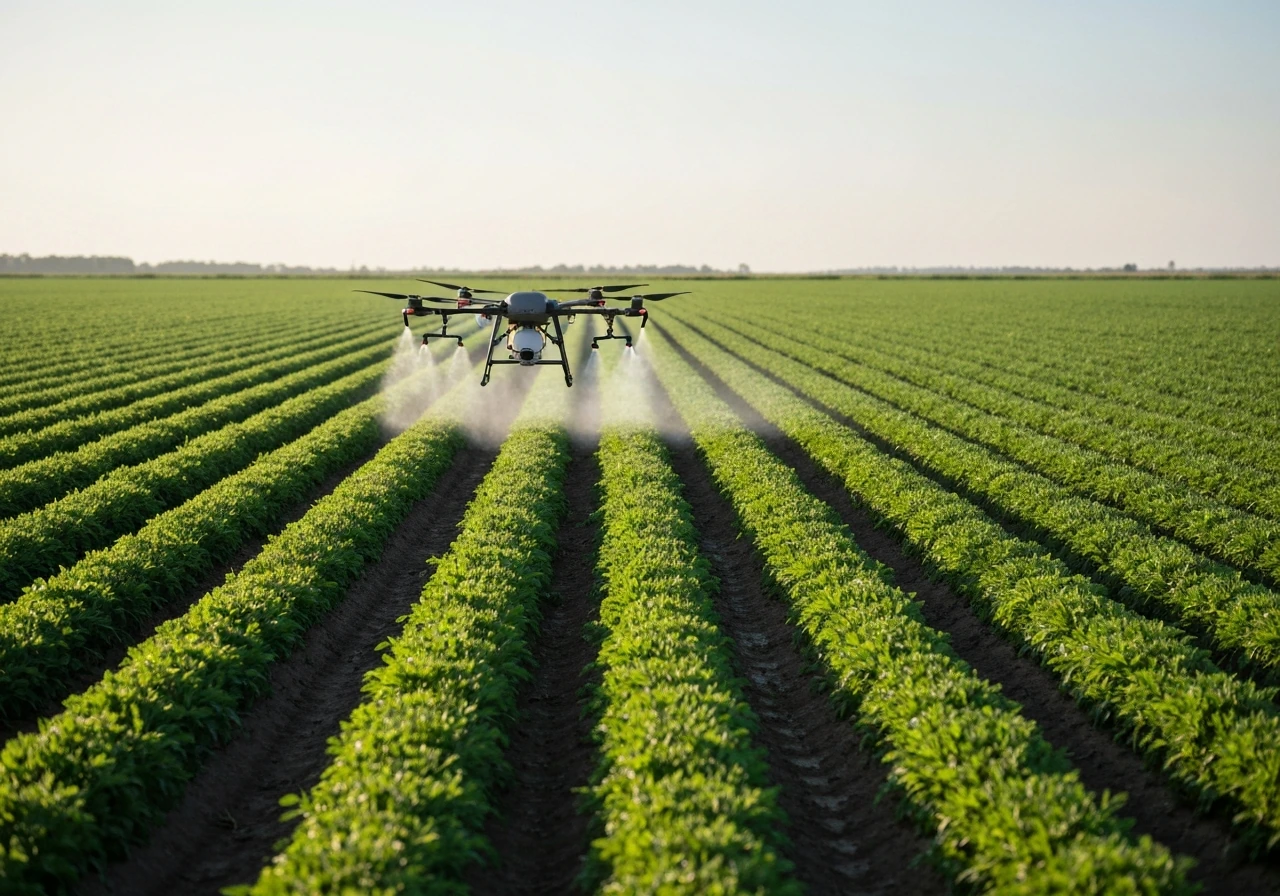
The EPA defines a pesticide as any substance intended to prevent, destroy, repel, or mitigate any pest. That's a broad definition, and it covers a lot of ground: insecticides, fungicides, herbicides, rodenticides, and even some plant growth regulators and desiccants fall under this umbrella. If a product's label makes a pest-control claim, the EPA considers it a pesticide, and in the US it has to be registered with the EPA before it can legally be sold.
Here's the misconception I see most often: people assume pesticides must be adding something beneficial to the plant, almost like a vitamin. They're not. The [active ingredient in a pesticide](https://www. epa.
gov/ingredients-used-pesticide-products/basic-information-about-pesticide-ingredients) is specifically the component that acts against the pest, not one that directly stimulates plant biology. Plant growth regulators are a separate category that modifies how a plant grows or flowers, and even those are regulated as pesticides, not fertilizers. EPA lists [plant growth regulators](https://www. epa.
gov/ingredients-used-pesticide-products/types-pesticide-ingredients) as a pesticide-related active ingredient/product function category, clarifying that they are not fertilizers and are intended to modify plant growth and flowering or reproduction rate rather than supply nutrients. Fertilizers supply nutrients. Pesticides remove threats. These are completely different tools, and mixing up the two leads to a lot of gardening frustration.
How pesticides improve crop growth directly
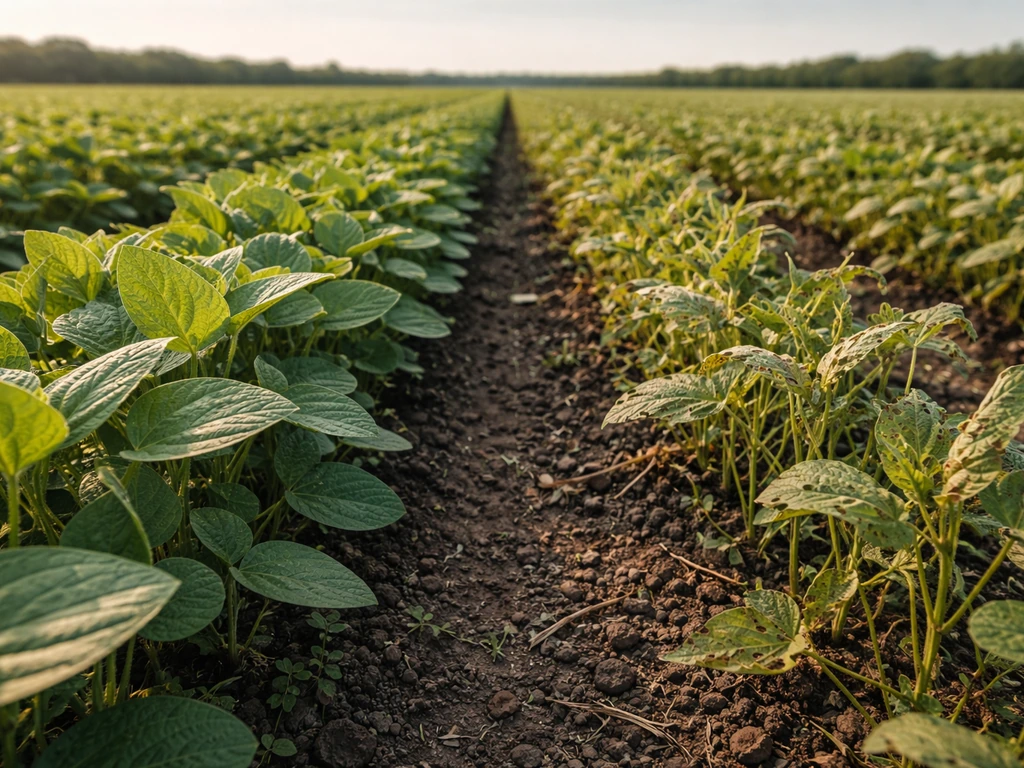
The most direct way pesticides help crops grow is by protecting the plant's ability to photosynthesize. Leaves are the plant's solar panels. When insects chew through them, when powdery mildew coats them, or when a fungal blight kills them off early, the plant loses surface area for capturing light. Less light capture means less energy production, and less energy means slower growth, smaller fruit, and lower yield. A well-timed fungicide or insecticide keeps those leaves intact and functional through the season.
Herbicides play a more indirect but equally important role. Weeds competing alongside your crops aren't just aesthetically annoying. They're pulling from the same pool of water, nutrients, and light your plants need. A weed-free row of corn or tomatoes has measurably better access to soil nitrogen and soil moisture, both of which translate directly into faster, more vigorous growth.
If you've ever wondered what farmers actually sow to make plants grow, a big part of that answer involves managing what's growing alongside the crop, not just what the crop itself is getting. Early farmers also helped crops grow by managing competing plants and protecting their soil and water from pests what early farmers did.
Farmers also sow to ensure the crop has the right conditions to thrive, not just to stop threats from building up what farmers actually sow to make plants grow.
How they support plant health indirectly (less pest damage, less stress)
Plants under attack don't just lose tissue. They shift resources. When a plant is fighting aphids on every stem or dealing with a root-knot nematode infestation, it redirects energy into chemical defense responses instead of into root growth, fruit development, or seed production. That's a real metabolic cost. Remove the pest, and the plant stops paying that tax.
Pest and disease stress also amplifies other problems. An insect feeding wound is often an entry point for bacterial or fungal infections that would never have established on their own. A heavy aphid infestation produces honeydew, which encourages sooty mold growth on leaves, further reducing photosynthesis. These cascading effects mean that controlling one pest early can prevent a chain of secondary damage. That's not magic, it's just biology. And it's part of why roots that are protected from soil pathogens and nematodes tend to be much healthier and more effective at nutrient uptake, which directly ties into what helps roots grow in the first place.
Types of pesticides and what they actually target
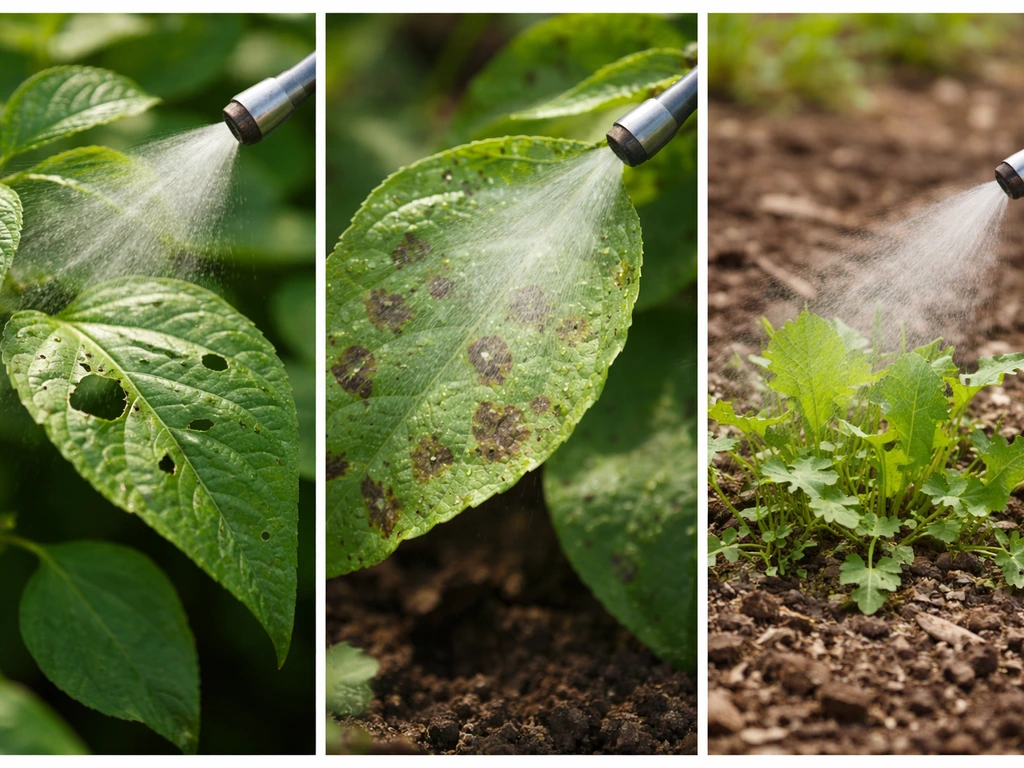
Not all pesticides work the same way or on the same problems. Using the right category for your specific issue is what determines whether you see results or just waste time and money.
| Pesticide Type | What It Targets | How It Helps Crop Growth |
|---|---|---|
| Insecticide | Insects (aphids, caterpillars, beetles, mites, etc.) | Protects leaves and stems from physical damage; reduces stress and entry points for secondary infections |
| Fungicide | Fungal and some oomycete pathogens (blight, mildew, rust, damping off) | Preserves leaf area for photosynthesis; prevents root and stem rot that would kill the plant outright |
| Herbicide | Weeds and unwanted vegetation | Reduces competition for water, light, and soil nutrients like nitrogen and phosphorus |
| Nematicide | Soil-dwelling nematodes | Protects root systems, allowing better water and nutrient uptake |
| Bactericide | Bacterial pathogens (fire blight, bacterial canker) | Prevents tissue death and dieback that would reduce the plant's productive capacity |
Corn is a good example of why matching the pesticide type to the actual problem matters so much. What helps corn grow well is partly about getting weed pressure under control in the first few weeks, when young corn is most vulnerable to competition. Herbicides applied at the right growth stage can make a dramatic difference in final yield. But apply a herbicide meant for broadleaf weeds at the wrong time or at the wrong rate, and you can damage the corn itself instead of protecting it.
When pesticides work best vs. when they backfire
Timing is almost everything with pesticides. Crop growth can also depend on environmental conditions like temperature and the tick speed, but pesticides mostly help by reducing pest damage tick speed makes crops grow faster. A fungicide applied before a disease outbreak establishes itself (what's called a protective application) works far better than one applied after you already see 40% leaf coverage of mildew. At that point, you can slow the spread but you can't undo the damage. The same logic applies to insecticides: catching an aphid population when it's small costs you far less product and gets better results than trying to knock back a colony that's already exploded across your entire plant.
Product choice matters just as much as timing. Using a contact insecticide against a soil-dwelling pest that never surfaces is essentially useless. Using a broad-spectrum insecticide when a targeted, selective product would work means you're also killing the beneficial insects that were helping you for free, including predatory beetles and parasitic wasps that naturally suppress pest populations. Once those are gone, pest outbreaks can actually get worse in subsequent seasons.
Phytotoxicity is another real risk that gets underestimated. Some pesticides, especially oil-based sprays applied in high heat or full sun, will damage plant tissue rather than protect it. Sulfur-based fungicides on cucumbers in hot weather is a classic example. Always check the label for temperature restrictions and compatibility notes.
Resistance is the long game problem. When you use the same pesticide product (or same mode of action) repeatedly on a pest population, you select for survivors that can tolerate it. Over generations, those survivors dominate the population and your product stops working. This is why rotating between products with different modes of action isn't just a suggestion, it's a core practice for keeping pesticides effective long-term.
Safe, practical use for gardeners
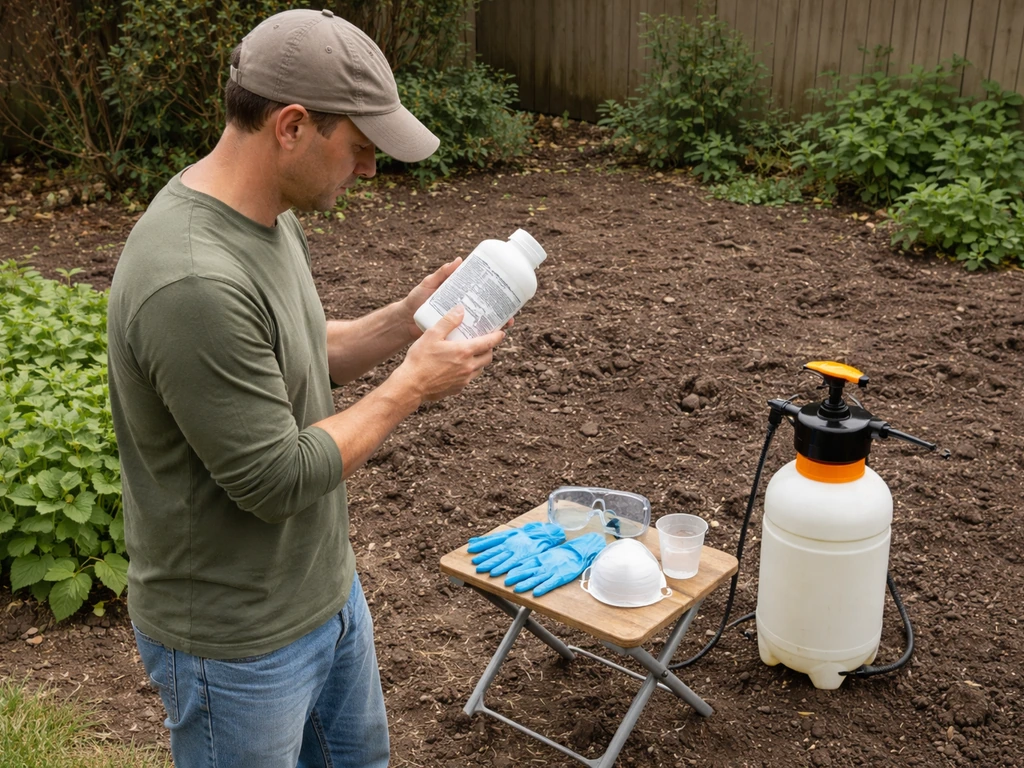
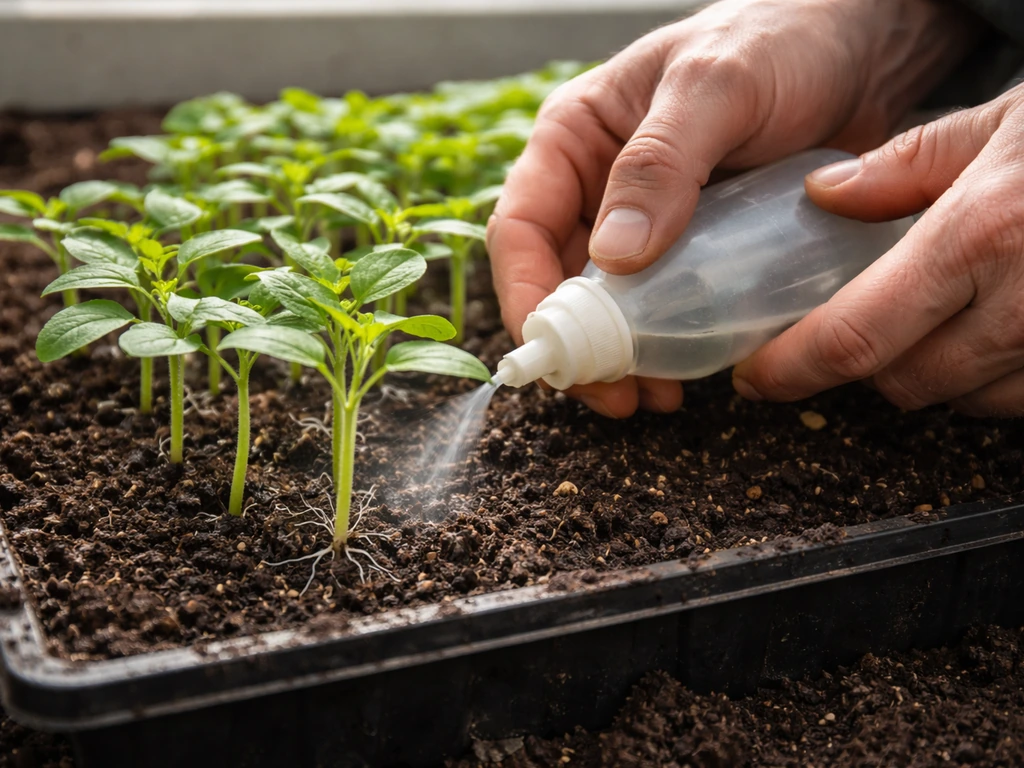
The most important thing I can tell you about using pesticides is to read the label and follow it. Not because it's a legal requirement (though it is), but because the label tells you the correct rate, the correct timing, the correct application method, and the specific crops it's registered for. Using more than the label rate doesn't give you better results. It gives you residue problems, plant damage, and waste.
For most home gardeners, the best framework for using pesticides responsibly is Integrated Pest Management, or IPM. IPM isn't anti-pesticide, it's just strategic. The idea is to layer your defenses: start with prevention (healthy soil, good drainage, resistant varieties), monitor regularly so you catch problems early, use cultural controls first (removing infested leaves, hand-picking pests, crop rotation), and then reach for a pesticide only when the pest pressure crosses a threshold where it's genuinely affecting plant performance. When you do use a pesticide, choose the most targeted option available and apply it correctly.
- Identify the pest or disease accurately before buying anything. Treating for fungus when you have a bacterial problem, or vice versa, wastes time and money.
- Check the product label for the specific crop you're growing. Not every pesticide is registered for every crop.
- Apply at the right time of day. Early morning or evening applications reduce evaporation, minimize exposure to pollinators, and avoid heat-related phytotoxicity.
- Use the lowest effective rate. Start with the label's minimum recommended rate and scale up only if needed.
- Rotate products with different active ingredients to slow resistance development.
- Keep a simple garden log. Note what you applied, when, at what rate, and what you observed afterward. This feedback loop is how you get smarter each season.
- Store pesticides in original containers, away from children and pets, and dispose of them according to your local hazardous waste guidelines.
Used within IPM, pesticides are one legitimate tool among many, not a first resort and not something to fear if you understand what they actually do. They help crops grow by clearing the path, protecting the plant's ability to do what it already knows how to do. Do spore blossoms help crops grow? In general, they are not part of mainstream crop-growth methods compared with established soil and pest-management practices They help crops grow.
The plant still needs good soil, the right nutrients, adequate water, and proper light. If any of those fundamentals are missing, no pesticide is going to compensate for it. A key nutrient that helps roots grow is phosphorus, especially for developing root systems. Healthy soil, adequate water, and good light are key parts of what helps forests grow and regenerate.
FAQ
Do pesticides actually make plants grow faster, or do they only prevent damage?
They mainly help by preventing or reducing specific stresses, like leaf damage from insects or yield loss from disease and weeds. Faster growth usually happens because the plant is spending less energy on defense and more energy on photosynthesis, root expansion, and fruit development.
If a plant looks healthy, should I still spray pesticides as a precaution?
Only if the label and timing recommendations match a real risk window. Preventive sprays can work for some diseases when applied before infection takes hold, but unnecessary applications increase phytotoxicity and resistance risk without improving yield.
Why do I sometimes see poor results even when I followed the label rate?
The wrong category or the wrong application window is a common cause. Pests and diseases often have life stages, hidden locations (like soil or leaf undersides), and seasonal patterns, so correct pest identification and correct timing matter as much as dose.
Can one pesticide handle insects, weeds, and fungal problems at the same time?
Usually no. Insecticides, herbicides, and fungicides target different organisms and work through different mechanisms. Mixing approaches often requires different products and, in some cases, different growth stages to protect the crop and avoid damage.
What is phytotoxicity, and how can I tell if my pesticide is harming my plants?
Phytotoxicity is plant injury caused by a product, typically from applying in high heat, wrong concentration, incompatible tank mixes, or using a product on a crop it is not registered for. Symptoms include leaf burn, spotting, wilting, or slowed growth shortly after application, especially when weather is hot or sunny.
Is it safe to combine pesticides with fertilizers or other sprays in the same tank?
Not automatically. Compatibility issues can reduce effectiveness or increase plant injury. Always check label compatibility and jar-test small mixtures if permitted, and avoid mixing unless the label explicitly allows it.
How often should I rotate pesticides to prevent resistance?
Rotation is based on pest pressure and mode of action, not a fixed calendar. The label and resistance management guidance typically suggest limiting repeated use of the same mode of action, then switching to a different one during later applications.
Do broad-spectrum pesticides always reduce beneficial insects too much to use them?
Broad-spectrum products more likely harm predators and parasitoids than targeted options. If you must use one, consider using the most targeted product available first, and follow the label closely because preserving beneficial insects can reduce future outbreaks and lower overall pesticide need.
What’s the difference between contact and systemic pesticides, and why does it matter?
Contact products kill pests that they directly hit, so thorough coverage and correct pest location are critical. Systemic or translocated products move within the plant, which can help with pests that are protected on the underside or inside tissues, but they still require the right timing to match the pest’s feeding period.
If I’m seeing honeydew or sooty mold, does that mean I need a pesticide immediately?
Often it indicates an underlying sap-feeding insect problem like aphids or scale. Addressing the primary pest is the key step, and the threshold for treatment depends on crop stage and how rapidly populations are increasing, not just the appearance of mold.
Can herbicides reduce yields if applied too early or too late?
Yes. Young crops are often most sensitive, and post-emergence timing affects whether the herbicide targets weeds without stressing the crop. Following growth-stage instructions on the label helps prevent direct corn or vegetable injury that looks like slowed growth or abnormal leaves.
How does IPM decide when to use a pesticide instead of waiting?
IPM relies on monitoring and thresholds, which are usually based on pest counts, crop growth stage, and expected damage. If you catch the problem early and it is below the threshold, you may use cultural controls or targeted spot treatments instead of whole-plot spraying.
Next Articles
What Helps Roots Grow: Fix Root Growth Fast
Learn what helps roots grow and how to boost root growth fast with better soil, watering, oxygen, nutrients, and temp.
What Tick Speed Makes Crops Grow Faster? Real-Time Levers
Learn which real timing levers drive faster plant growth: temperature, light cycles, watering and fertigation schedules,
Do Spore Blossoms Help Crops Grow? What to Expect
Do spore blossoms help crops grow? Know what fungal spores can do, how to use them, and realistic results.