Yes, tea grounds can help a plant grow, but the effect is modest and conditional. Used tea leaves contain real nutrients, including roughly 4.5% nitrogen by dry weight, plus small amounts of sulfur and other minerals. They also add organic matter that feeds soil microbes. The catch is that those nutrients release slowly through decomposition, and if you apply too much too fast, the microbes breaking down the material can actually lock up nitrogen rather than release it. So tea grounds work best as a composted amendment or a light soil additive, not as a fertilizer substitute or a magic fix.
Can Tea Grounds Help a Plant Grow? How to Use Safely

Marcus Holloway
17 Jun 2026
What 'help' actually means for a plant
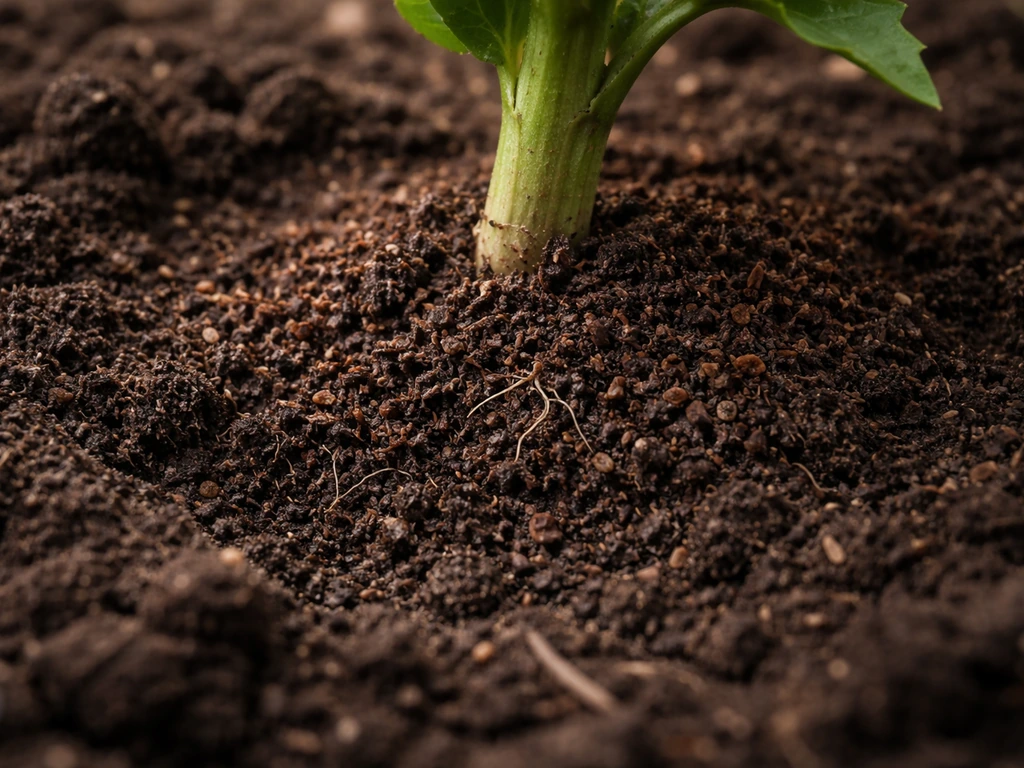
When gardeners ask whether something helps a plant grow, they usually mean one of three things: does it deliver nutrients the plant can absorb, does it improve the physical structure of the soil so roots breathe and spread better, or does it shift soil pH toward something the plant prefers? Tea grounds can do all three to some degree, but none of them dramatically.
Nutrients are the most obvious piece. Plants need nitrogen, phosphorus, potassium, and a range of micronutrients. Tea grounds carry measurable nitrogen, but it is locked in organic form and only becomes available after soil microbes break it down. That process takes weeks to months depending on soil temperature and moisture. So tea grounds are not a quick nitrogen fix the way a liquid fertilizer is.
Soil structure is the second angle. Adding organic matter loosens clay soils so they drain better and improves sandy soils so they hold moisture longer. Tea grounds contribute to this as they decompose, feeding the microbial and earthworm populations that physically condition your soil over time. The third factor is pH. Tea residues are mildly acidic, and over time, especially with heavy application, they can nudge soil pH downward. Whether that helps or hurts depends entirely on what you are growing and what your soil already measures.
What is actually in used tea grounds
Spent tea leaves are not inert. Research on tea leaf residues reports nitrogen content averaging around 4.5% by dry weight, which is actually comparable to or slightly higher than what you find in spent coffee grounds. There is also around 0.2% sulfur, plus potassium, phosphorus, and trace minerals. Tea leaves also carry polyphenols including tannins and catechins, which can influence how soil nutrients bind and move. These compounds persist in the residue even after steeping and can have chelating effects on minerals in your soil.
Some tea residues also contain residual caffeine. Dry black tea runs around 3 to 4% caffeine before brewing, and meaningful amounts can remain in the spent leaves depending on how long you steeped them. Caffeine has shown mild allelopathic effects in some plant studies, meaning it can suppress germination or growth of competing plants, which is worth knowing if you are working near seedlings or direct-sown beds.
The bottom line on composition: tea grounds are not just wet filler. They carry real chemistry. The question is how much of that chemistry your soil and plants will actually be able to use, and how quickly.
When tea grounds genuinely help
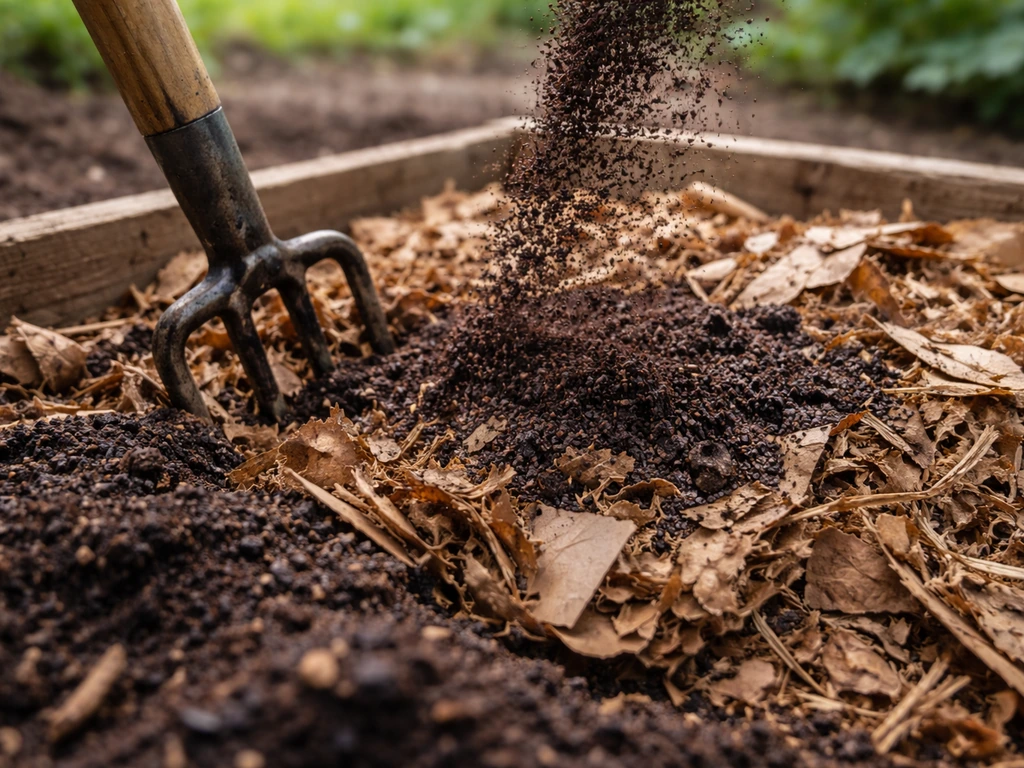
Tea grounds are most useful in three situations. The first is when you are building or maintaining a compost pile and need more green material to balance out browns. UConn Extension also includes blank" rel="noopener noreferrer">paper tea bags (without staples and in compostable form) among typical compostable “greens,” supporting safer routing of tea residues into compost rather than direct use. Tea leaves count as a nitrogen-rich green, and paper tea bags (without staples) are fully compostable too. Running tea grounds through compost before adding them to your garden eliminates most of the risk and gives you a stable, microbially processed amendment.
The second situation is established in-ground beds with reasonable drainage where you want to add organic matter gradually. Working a thin layer of tea grounds into the top few inches of soil around plants that prefer slightly acidic conditions, like tomatoes, blueberries, azaleas, or ferns, is a reasonable low-cost addition. You are not going to see dramatic growth spurts, but you are feeding the soil ecosystem steadily.
The third is as a light mulch layer around acid-loving plants. A thin scattering of tea leaves on the soil surface breaks down slowly, adds organic matter, and can help retain moisture. It works similarly to how you might use finely chopped leaf mulch, just in smaller quantities.
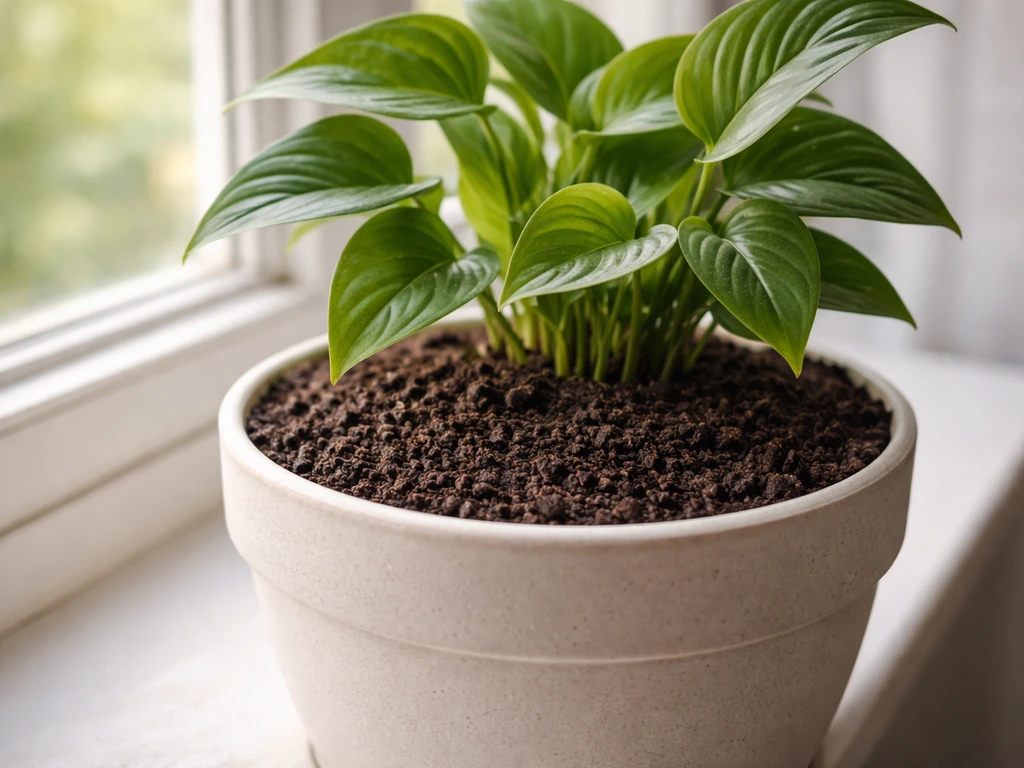
Container plants are where tea grounds are least helpful and most risky. The confined volume of potting mix means even a small amount of fresh organic matter can create problems with compaction, moisture retention, and microbial competition for nitrogen. If you want to use tea grounds with potted plants, composting first is especially important.
When tea grounds backfire
The most common problem is nitrogen immobilization. When you add fresh organic matter to soil, the microbes that break it down need nitrogen to do their work. If the carbon-to-nitrogen ratio of the material is high, they pull nitrogen from the surrounding soil to meet their needs, temporarily making nitrogen less available to your plants. This is the same issue that extension services flag with coffee grounds, and it applies directly to tea grounds. You can end up with yellowing leaves and stunted growth even though you just added a nitrogen-containing material.
Over-acidification is the second real risk. Coffee grounds can also be used in the garden, but the same cautions about nitrogen release, pH, and composting apply over-acidification. Most garden vegetables and flowering plants grow best at a soil pH between 6.0 and 7.5. Tea grounds are mildly acidic, and repeated application over time can push pH down. If your soil is already on the acidic side, adding tea grounds without testing first is a genuine gamble. In heavily acidified soils, pH can drop to levels that harm soil biology and inhibit nutrient uptake even for plants that supposedly prefer acid conditions.
In containers, fresh tea grounds can compact over time as they break down unevenly, creating dense pockets that restrict root movement and drainage. Moist, partially decomposed organic matter at the soil surface also creates exactly the conditions that fungus gnats love. These pests lay eggs in moist organic-rich substrate, and containers are their preferred habitat. If you are already fighting fungus gnats on indoor plants, adding fresh tea grounds to the top of your pot will make things worse.
Finally, mold can appear on fresh tea grounds sitting on the soil surface, especially in humid conditions or in low-airflow indoor environments. This is mostly cosmetic but can be a sign that you have applied too much or that surface moisture is too high.
How to use tea grounds safely
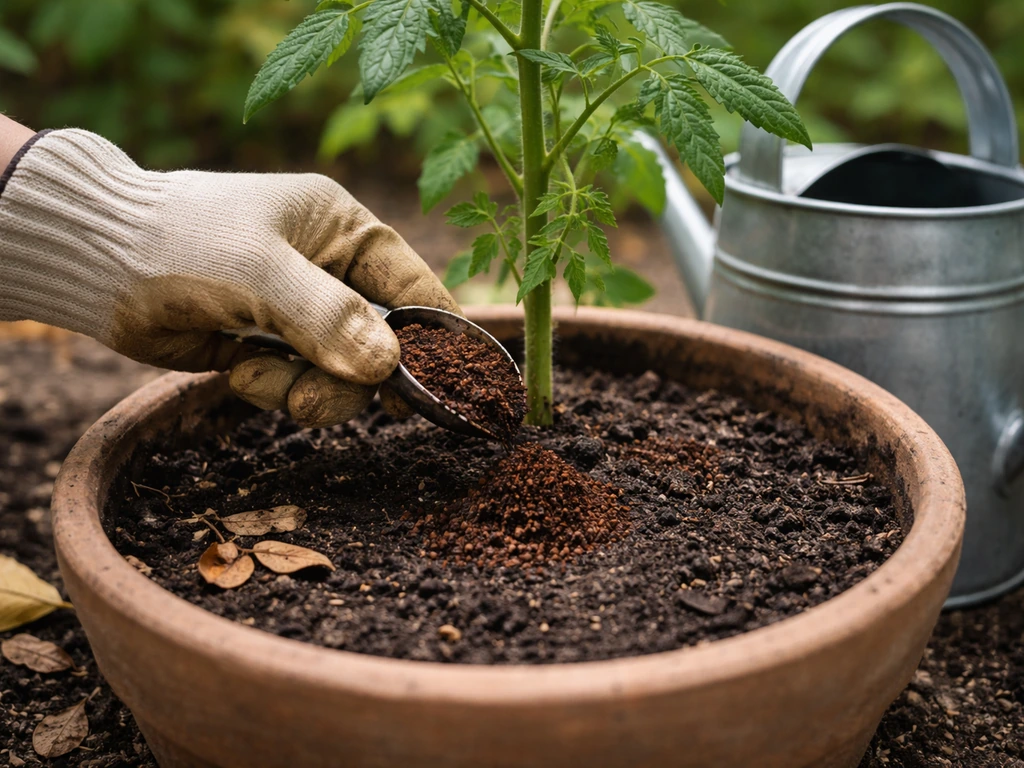
The safest and most effective route is to compost tea grounds first. Combine them with dried leaves, cardboard scraps, or other browns, keep the pile moist and aerated, and let the material break down fully over a few months. The finished compost can then be incorporated into soil or used as a topdressing without the nitrogen immobilization risk, the pH unpredictability, or the pest problems. This is also how you get the best long-term soil structure benefit.
If you want to apply tea grounds directly without composting, here is how to do it without causing harm:
- Dry the spent leaves slightly before applying so they are not dripping wet, which reduces mold and compaction risk.
- Mix them into the top 2 to 3 inches of existing soil rather than piling them on the surface, so they integrate with soil microbes rather than sitting as a wet mat.
- Limit the amount to a thin layer, no more than a quarter to half an inch incorporated over any given area. Less is more with fresh amendments.
- Avoid applying directly into seed-starting mix or around newly germinated seedlings, where nitrogen competition and residual caffeine could affect germination.
- Do not apply to the same spot repeatedly without testing pH first.
For containers specifically, stick to composted tea grounds mixed into fresh potting mix at planting time, at a ratio of no more than 10 to 15% by volume. Avoid adding fresh grounds on top of existing container plants unless you are prepared to watch closely for fungus gnats and mold and are willing to pull them back if problems appear.
How to tell if it is working, and what to do if it is not
Plants respond to improved soil conditions within a few weeks if the amendment is working. Signs that tea grounds are doing something positive include deeper green leaf color (indicating nitrogen is becoming available), improved water retention in previously dry or sandy soil, and generally more vigorous new growth. Earthworm activity near where you applied the grounds is also a good indicator that soil biology is responding well.
Signs that something has gone wrong include yellowing leaves starting from older growth (nitrogen deficiency caused by immobilization), wilting despite adequate watering (compaction or drainage disruption in containers), or visible mold and increased tiny flies around the plant (fungus gnats from excess surface moisture).
The most useful thing you can do before and after applying any organic amendment is a basic soil pH test. Inexpensive test kits or a digital pH meter from any garden center will tell you where your soil stands. Most vegetable and flower gardens want to be in the 6.0 to 7.0 range. If you are already below 6.0, hold off on tea grounds and consider adding garden lime to buffer the pH back up before adding more acidic amendments. Test again after a growing season of consistent amendment to see which direction you are trending.
If you notice nitrogen deficiency signs after applying fresh tea grounds, a small dose of a balanced liquid fertilizer can bridge the gap while the organic material finishes decomposing. This is not a failure, it is just a timing issue that composting first would have avoided.
Better-supported alternatives and a practical nutrient plan
Tea grounds are a fine addition to a thoughtful soil improvement strategy, but they should not be your main tool. If you want to build healthy, productive garden soil, here is what the evidence consistently supports more strongly:
| Amendment | Primary benefit | Best use | Risk level |
|---|---|---|---|
| Finished compost | Stable organic matter, nutrients, soil biology | Incorporated at planting or topdressed seasonally | Low |
| Balanced granular fertilizer (e.g. 10-10-10) | Reliable, predictable nutrient delivery | Established beds needing a nutrient boost | Low if dosed correctly |
| Organic mulch (wood chips, straw) | Moisture retention, weed suppression, slow organic matter | Surface mulching around established plants | Very low |
| Tea grounds (composted) | Light nutrient and organic matter addition | Compost pile additive, light soil amendment | Low |
| Tea grounds (fresh, direct) | Slow organic matter addition | Thin incorporation around acid-tolerant plants | Moderate, pH and N-immobilization risk |
A practical soil plan looks like this: test your pH once a season, maintain a compost pile that includes kitchen scraps, tea grounds, coffee grounds, and dry materials, apply 1 to 2 inches of finished compost to beds each spring, use a balanced fertilizer when plants are actively growing and hungry, and mulch to conserve moisture and suppress weeds. Coffee grounds can be part of that same compost routine too, and you may wonder whether they help pumpkins grow. Tea grounds fit naturally into the compost pile step, and if you are already in this rhythm, you do not need to overthink them.
The broader question of whether beverages and brewing byproducts genuinely help plants is worth thinking about in context. Coffee grounds come up constantly in this same conversation, and the mechanisms are nearly identical to tea grounds: some nutrients, some pH influence, the same nitrogen immobilization risk with direct application. If you are curious about that comparison, the logic maps across closely. What matters most in both cases is not the grounds themselves but how you integrate them into a soil system that is already healthy and pH-appropriate for what you are growing.
Tea grounds can be a useful, free, low-effort addition to your garden routine. Just compost them when you can, test your soil before leaning on them heavily, and do not expect them to replace a real fertilization plan. Used wisely, they are a genuine small benefit. Used carelessly, they are a source of preventable problems.
FAQ
Can I use tea grounds straight from the cup in my garden if I water them in well?
It is usually safer to avoid using them fresh. Even if you water them in, the nitrogen is still in an organic form and microbes may temporarily immobilize nitrogen. If you choose direct use, keep it very light, mix into the top layer, and watch for yellowing that starts on older leaves, which points to immobilization.
How often can I add tea grounds to an in-ground bed without risking pH problems?
Frequency matters most in soils that are already on the acidic side. If your soil tests below about pH 6.0, do not rely on repeated tea-ground additions. A practical approach is to test before starting, then limit direct additions to small, occasional amounts while letting compost do most of the work.
Do tea grounds help seed germination or only established plants?
They are more reliable around established plants. Fresh residue can reduce available nitrogen and, because tea compounds persist, may slightly affect how nutrients bind. For seedlings and direct-sown seeds, composted material is a better choice than a fresh sprinkle.
What ratio of tea grounds to other compost “browns” works best?
Aim for compost balance rather than heavy tea additions. If tea grounds are your main nitrogen input, pair them with enough browns like dried leaves, shredded paper (non-glossy), or cardboard so the pile does not become overly wet and compacting. In practice, if the pile smells sour or stays slimy, add more browns and improve aeration.
Are tea bags safe to compost, and can they cause problems in the garden?
Tea bags are generally fine for compost if the bag material is compostable and you avoid stapled or non-compostable components. If you are unsure about the bag, remove the bag from the grounds and compost the loose leaves only. Finely processed compost from the full batch is the safer way to use it in soil.
Can tea grounds attract pests like ants or rodents?
On their own, tea grounds are not a common attractant like sugary foods, but using fresh residue in piles or on the soil surface can increase insect activity. Composting first reduces odor and surface moisture, both of which make pests more likely to move in.
How can I tell if tea grounds are improving soil versus just adding mess?
Look for slow, system-level signs. Positive changes include improved drainage in heavy soil, steadier moisture in sandy soil, deeper green new growth, and earthworm activity in the worked-in area. If you only see surface mold or fungus activity without plant improvement after several weeks, scale back or switch to composted use.
Will tea grounds burn plants or cause leaf spotting?
Tea grounds themselves do not typically cause salt-type burns, but over-application can create stress indirectly through nitrogen immobilization, excess acidity, or moisture issues that lead to disease. If you see spotting right after application, check watering habits and consider that the residue may have been placed too close to stems in a moist clump.
What should I do if my plant shows yellowing after adding fresh tea grounds?
First, confirm it is not overwatering or root stress. If the yellowing starts on older leaves and growth stalls, it suggests nitrogen immobilization. A small bridge with a balanced liquid fertilizer can help while the residue finishes decomposing, and you can prevent repeats by composting next time.
Can tea grounds worsen fungus gnats in houseplants?
Yes, fresh tea residue in pots can worsen fungus gnats because it holds moist organic matter near the surface. If you are seeing gnats already, avoid adding fresh grounds on top, use composted material instead, and let the top layer dry more between waterings.
Is it better to sprinkle tea grounds on top as mulch or mix them into the soil?
For most in-ground use, mixing lightly into the top few inches gives more predictable decomposition and reduces localized compaction or moisture pockets. Top-dressing works best as a light mulch around acid-tolerant plants, but heavy layers increase mold risk and can change pH more strongly at the surface.
How long should I compost tea grounds before using them?
Use fully finished compost, not partially decomposed tea leaf residue. Finished compost typically has a dark, uniform look with no recognizable leaf pieces and an earthy smell rather than a sour or strongly damp odor. This usually takes a few months depending on pile size, moisture, and aeration.
Do tea grounds work differently for blueberries, tomatoes, azaleas, or ferns?
They can be helpful because they are mildly acidic and add organic matter, but they are not a substitute for soil acidity management if your pH is off. For acid-loving plants, small, composted amendments are safer and more controllable than fresh grounds, especially if your soil pH is already close to the lower end.
Next Articles
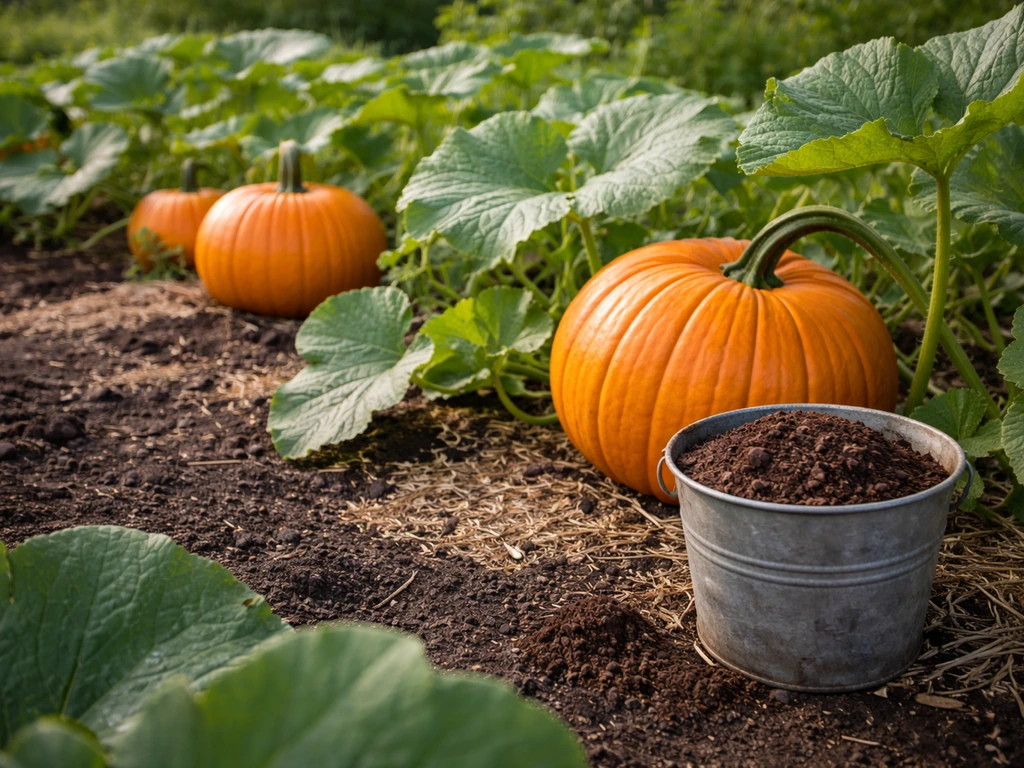
Do Coffee Grounds Help Pumpkins Grow? How to Use Safely
Find out if coffee grounds help pumpkins, how to apply safely by setup, and when to avoid them for healthier growth.
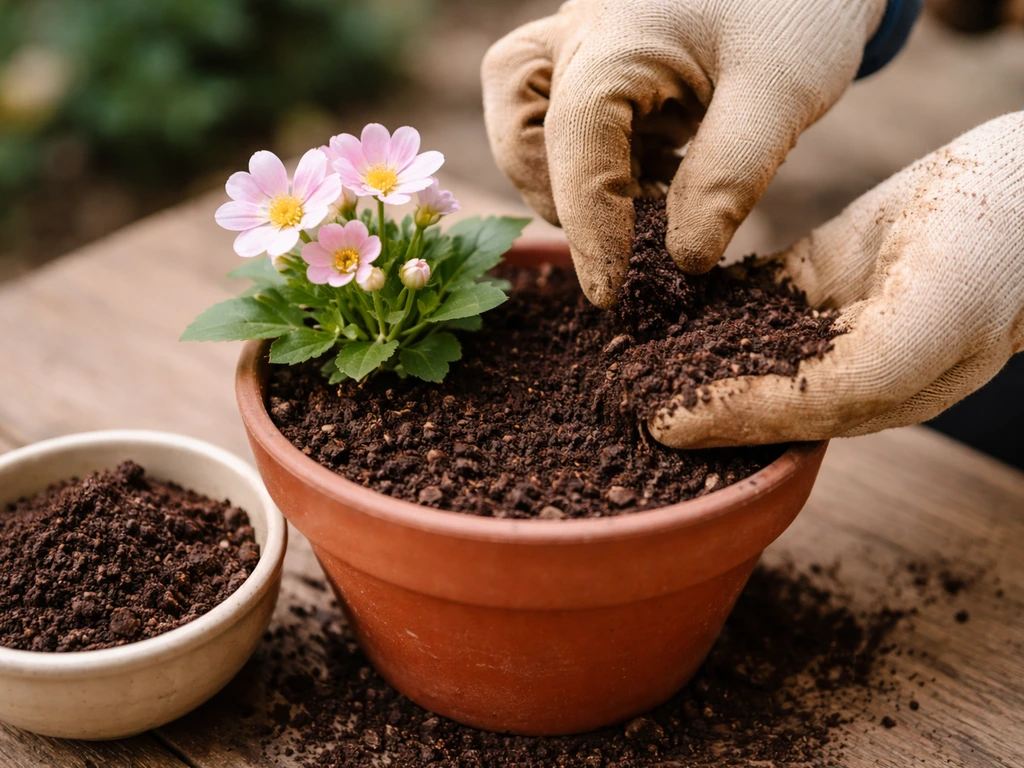
Does Coffee Help Flowers Grow? Science and How to Use It
Coffee can help flowers only in small, composted, balanced soil uses; overdoing it harms pH and nutrients. Learn safe st
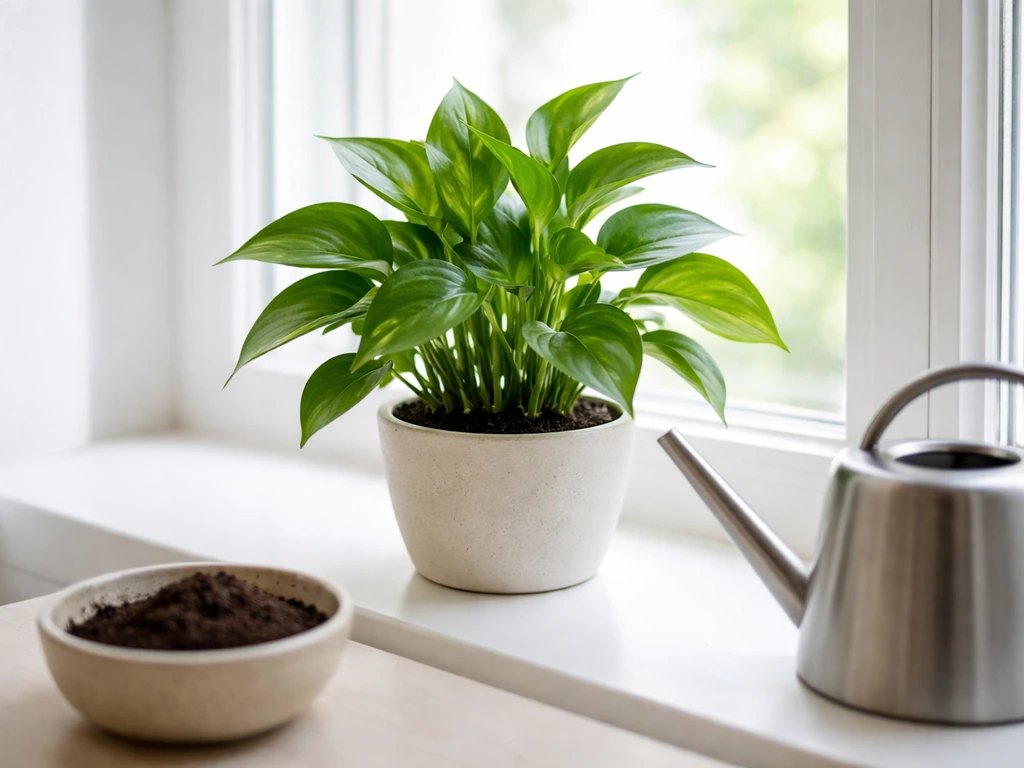
Does Coffee Help Plants Grow Indoors? What Works Safely
Find out if coffee grounds or brewed coffee help indoor plants, safe amounts, risks, and better alternatives to try.