Coffee grounds can help pumpkins grow, but only under specific conditions, and used the wrong way, they'll actually slow your plants down. The safest and most effective approach is to compost the grounds first, then work the finished compost into your soil before planting. Dumping raw grounds directly onto a pumpkin bed, especially in thick layers, risks locking up the nitrogen your plants need and can even inhibit germination. So yes, there's real value here, but the "just sprinkle them around" advice you see everywhere is incomplete at best.
Do Coffee Grounds Help Pumpkins Grow? How to Use Safely
Marcus Holloway
14 Jun 2026
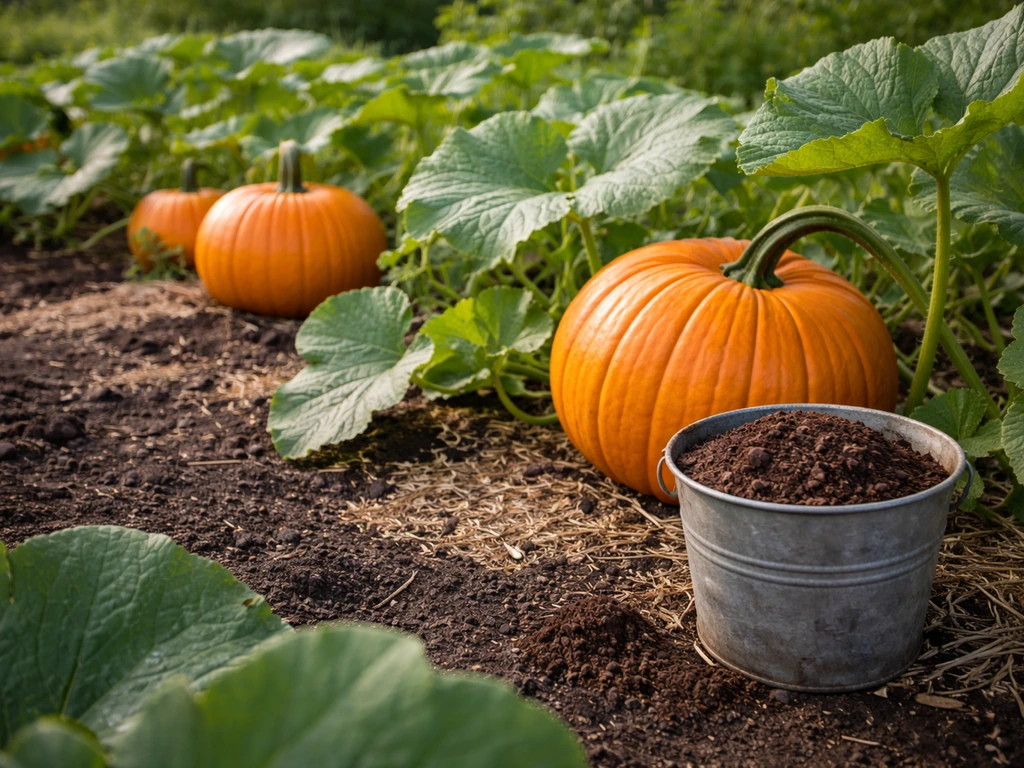
Do coffee grounds actually help pumpkins, the real answer
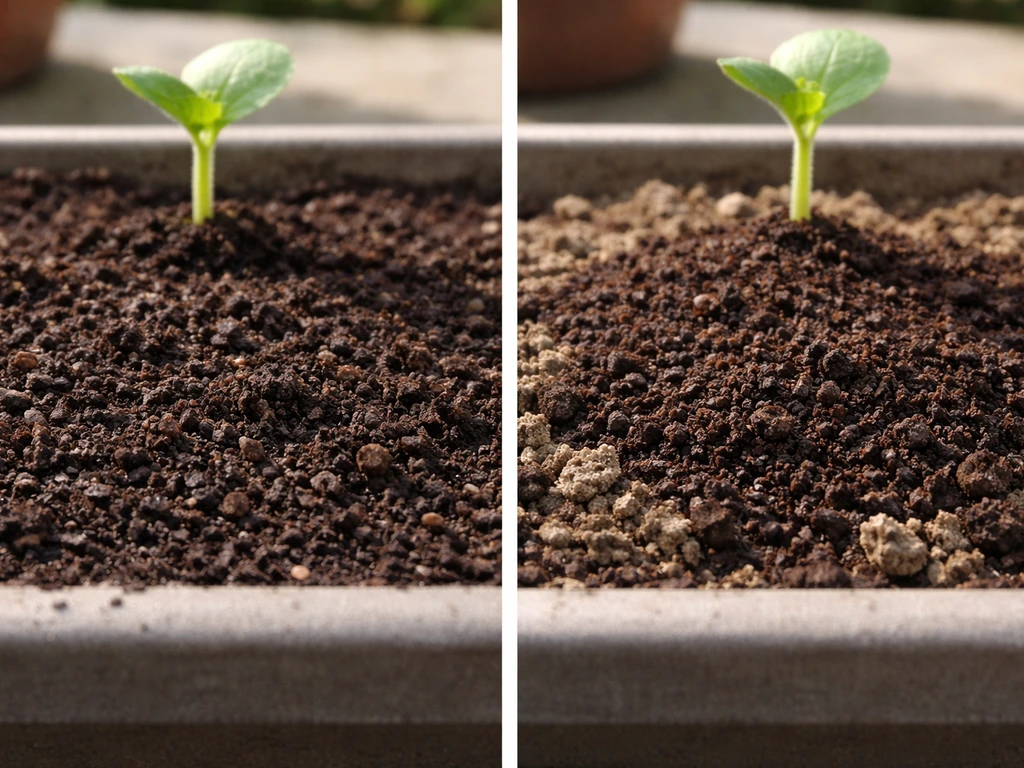
The honest answer is: it depends entirely on how you use them. Coffee grounds are not magic, and they're not fertilizer in any meaningful standalone sense. What they are is a source of organic matter with small amounts of nitrogen, potassium, phosphorus, calcium, magnesium, and trace minerals like copper, iron, manganese, and zinc. The University of Maine Extension puts it well: the nutrient contribution is real but modest, and you shouldn't rely on grounds to meet your pumpkins' actual feeding needs.
There's also a persistent myth that coffee grounds reliably acidify soil. A short-term study in an urban soil found that different spent coffee-ground doses significantly affected soil pH, attributing pH changes to the acidic nature of SCGs, and also assessed hydrological and chemical changes. Multiple university extensions, Maine, Nebraska, Minnesota, have pushed back on this. Spent coffee grounds often test near neutral, somewhere around 6.5 to 6.8 pH. That's actually right inside the sweet spot for pumpkins, which prefer a pH of 6.0 to 6.8 according to guidance from both Oklahoma State and UMass Extension. So the "use coffee grounds to acidify your pumpkin bed" idea is largely unfounded. You're not doing meaningful pH work here.
What grounds genuinely contribute to is soil structure and microbial activity when used as part of a composting system. That's where the real benefit lives. Think of them as a compost ingredient, not a standalone soil treatment.
Why coffee grounds may help (and what they actually add to soil)
When coffee grounds break down properly, either through composting or slow incorporation into healthy, biologically active soil, a few good things happen. The nitrogen and other nutrients become plant-available as the organic matter decomposes. Washington State University Extension notes that the proteins and nitrogen-rich compounds in coffee grounds, including caffeine, break down relatively quickly, releasing nitrogen into the soil. While caffeine can break down relatively quickly in coffee grounds, it still won't work like a direct plant stimulant unless the material is used through composting or proper soil incorporation. That's a genuine contribution, even if it's modest compared to what pumpkins actually need across a full season.
Beyond raw nutrients, grounds add organic matter, which improves soil texture, water retention, and aeration over time. Pumpkins are heavy feeders that develop extensive root systems, and they respond well to loose, well-structured soil. Organic matter supports the microbial community that cycles nutrients, holds moisture between waterings, and keeps soil from compacting. Composted coffee grounds contribute to all of that.
There's also evidence that composted spent coffee grounds at meaningful concentrations can support germination and early seedling development. Research published in MDPI found that higher concentrations of spent coffee ground compost were associated with improved germination rates and early seedling growth, the key being that the material was composted and properly processed first, not applied raw.
When coffee grounds can hurt your pumpkins
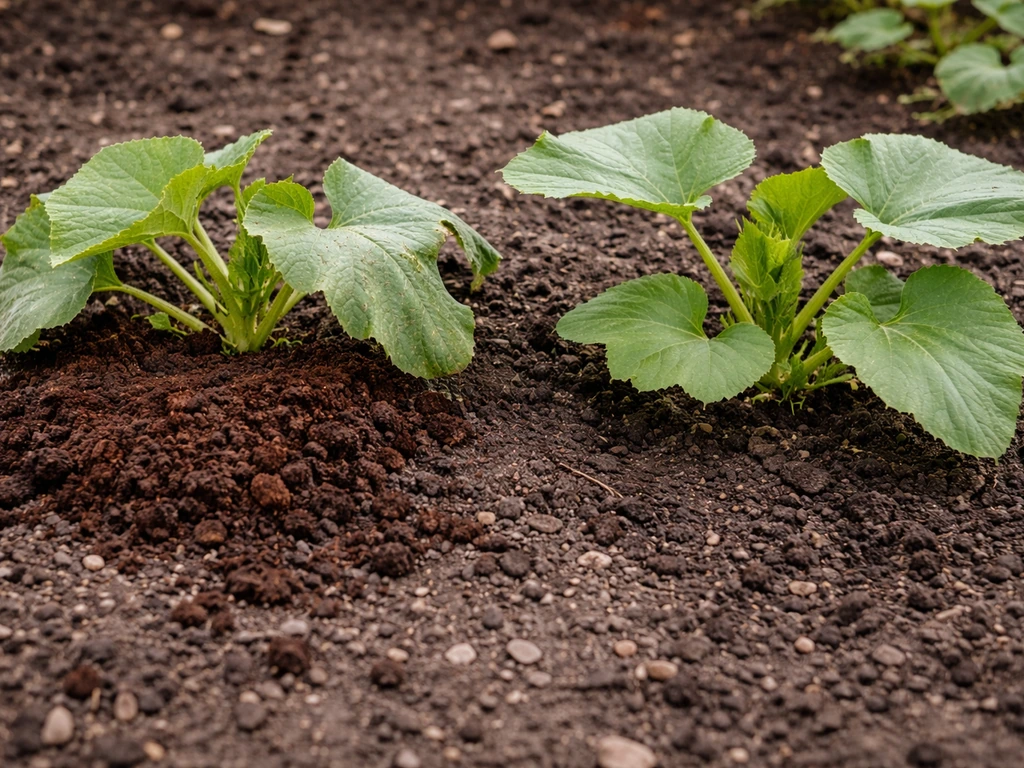
This is where most people go wrong. Applying uncomposted coffee grounds directly to soil, especially in generous amounts, can genuinely damage your plants. A study published in ScienceDirect found that direct application of spent coffee grounds significantly decreased plant growth across multiple species, in both greenhouse and field conditions, and across different soil textures. The mechanism is nitrogen immobilization: when you add a carbon-rich organic material like raw grounds to soil, the microbial community rushes in to break it down and in doing so temporarily ties up the inorganic nitrogen that your pumpkins need. Your plants essentially starve for nitrogen right when you thought you were feeding them.
Oregon State University Extension echoes this, noting that grounds applied directly before composting can temporarily tie up nitrogen and inhibit seed germination or slow plant growth. Nebraska Extension found similar outcomes in germination trials. These aren't edge cases, they're consistent failure modes that show up repeatedly across research.
There are a few other physical risks too. Coffee grounds clump and compact when applied thickly to the soil surface. They can form a water-repellent crust that blocks moisture and air from reaching roots. Utah State University Extension notes that drainage is a critical concern in cucurbit growing contexts, and anything that disrupts soil hydraulics can hurt a pumpkin plant fast. Mold growth on surface-applied grounds is also a common and unpleasant side effect.
- Raw, uncomposted grounds applied thickly can lock up nitrogen through microbial immobilization
- Direct application has been shown to reduce plant growth regardless of application rate in some research
- Grounds can compact and crust on the soil surface, reducing water infiltration and aeration
- Over-application may encourage mold or fungal growth on the soil surface
- Relying on grounds to acidify soil won't work — spent grounds are often near-neutral pH
How to use coffee grounds for pumpkins the right way
The safest and most effective method is composting first. Add your spent grounds to a compost pile where they'll decompose alongside carbon-rich materials like dried leaves or straw. This balances the carbon-to-nitrogen ratio, breaks down any inhibitory compounds, and turns the grounds into a stable, plant-friendly amendment. Once you have finished compost containing coffee grounds, you can work it into your pumpkin bed the same way you'd use any quality compost.
If you want to incorporate grounds directly rather than composting them first, Oregon State University Extension gives a practical guideline: apply no more than a half-inch layer and mix it into the top four inches of soil. This prevents surface crusting, distributes the material through the root zone, and limits the nitrogen immobilization effect by keeping the volume low. Think of it as a light soil conditioner, not a feeding strategy.
Timing matters too. Don't apply fresh grounds right before planting seeds or setting out young transplants. The nitrogen-binding effect is most pronounced right after application. If you're using grounds directly, work them in at least a few weeks before planting and follow with a good watering to start the decomposition process. Mid-season topdressing into active compost or a mature bed is less risky than pre-plant direct application.
- Compost the grounds first and use the finished compost as you would any organic amendment
- If applying directly, keep it to a half-inch layer maximum and incorporate into the top 4 inches of soil
- Don't apply directly in the weeks immediately before planting seeds or seedlings
- Never pile grounds on the soil surface without mixing them in — this causes crusting and mold
- Don't use grounds as your primary nitrogen source; supplement with balanced fertilizer for heavy feeders like pumpkins
- Check soil pH before planting so you're not chasing a pH problem that doesn't exist
Raised beds vs in-ground vs containers
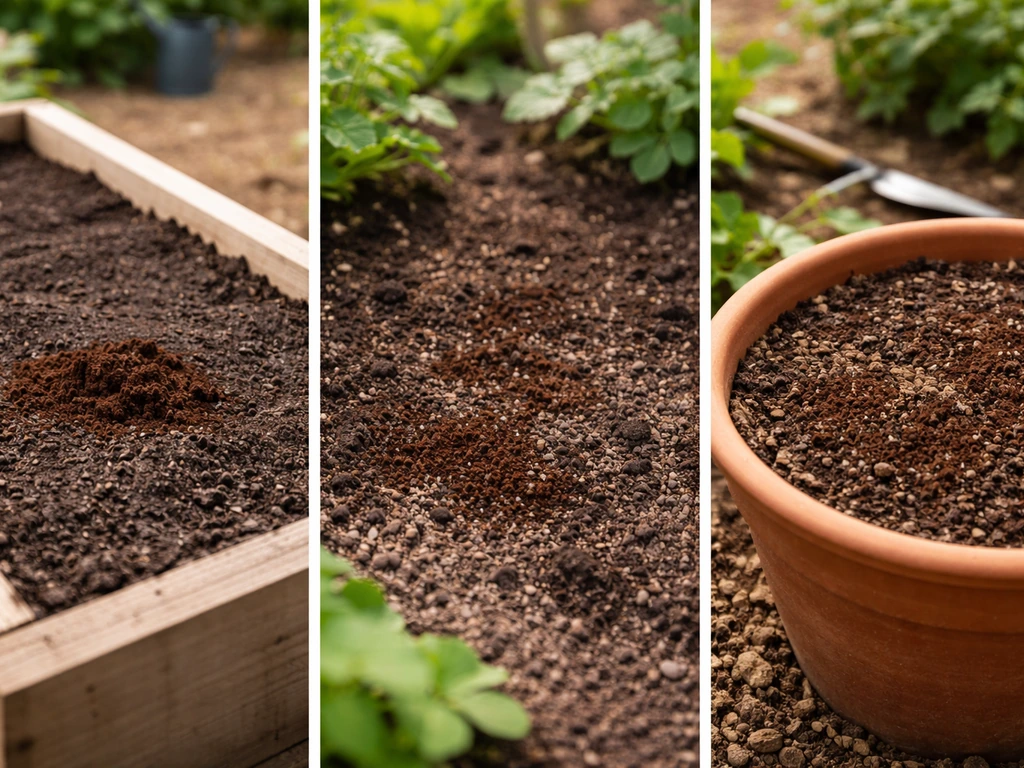
How you're growing your pumpkins changes how risky coffee ground use becomes. Here's how each context plays out.
| Growing Setup | Coffee Grounds Benefit | Key Risk | Recommendation |
|---|---|---|---|
| In-ground beds | Organic matter improves structure over time; supports microbial life | Nitrogen immobilization if overused; crusting on heavy clay soils | Compost first, then incorporate at planting prep; modest direct use is okay if mixed in well |
| Raised beds | Easier to mix in thoroughly; drainage is usually better so crusting is less of an issue | Concentrated nitrogen lock-up if fresh grounds are overused in a contained mix | Compost first for best results; if using directly, keep to half-inch and mix into top 4 inches |
| Containers or pots | Small amounts can add organic matter to potting mix | Highest risk: nitrogen immobilization in a small, confined volume can starve plants quickly; poor drainage compounds compaction risk | Stick to composted grounds only; use sparingly; containers need reliable, consistent nutrition so balanced fertilizer is more important here |
In-ground beds give you the most forgiveness because you have more soil volume to buffer any nitrogen lock-up effects. Raised beds are nearly as forgiving if you have good drainage and mix things in well. Containers are the riskiest setup for direct coffee ground use. The confined volume means any nitrogen immobilization hits the plant hard and fast, and the drainage dynamics in pots are already more sensitive. If you're growing pumpkins in a container (yes, smaller varieties can work), lean on balanced fertilizer and compost, and leave the direct coffee grounds out of the picture.
What works better and the fastest fix for pumpkin growth
If your pumpkin plants are looking sluggish right now, coffee grounds are not your fastest fix. Pumpkins are heavy nitrogen feeders, especially during their rapid vegetative growth phase, and they need reliable, available nutrition that coffee grounds alone can't deliver quickly enough.
The fastest and most reliable way to improve pumpkin performance is a two-step approach: first, check your soil pH with an inexpensive test kit (you're aiming for 6. UMass Extension fact sheets also note that [pumpkins and squash prefer a soil pH of about 6. 0 to 6. 8](https://www.
umass. edu/agriculture-food-environment/home-lawn-garden/fact-sheets/pumpkins-squash-growing-tips) and recommend soil testing to follow fertilizer recommendations. 0 to 6. 8), then feed with a balanced organic fertilizer or a quality finished compost.
OSU Extension notes that a single one-cubic-foot bag of compost covers about 12 square feet to a depth of one inch, which gives you a practical starting rate for working compost into a pumpkin bed. Good compost addresses soil structure, organic matter, and a broad range of nutrients in one move, and it doesn't carry the nitrogen-immobilization risk that raw coffee grounds do.
For leaf color issues (yellowing often signals nitrogen deficiency), a diluted fish emulsion or a liquid organic fertilizer gives you faster results than any soil amendment, because the nutrients are immediately plant-available rather than waiting on microbial breakdown. Watch your plants: healthy pumpkin leaves should be a deep, consistent green. If older leaves yellow first while new growth looks fine, that's a nitrogen signal. If young leaves yellow with green veins, that's more likely an iron or magnesium issue, and soil pH is often the underlying cause.
Mulching is another underrated move for pumpkins. A 2 to 3 inch layer of straw or shredded leaves around the base of plants (not coffee grounds used as mulch) retains moisture, moderates soil temperature, and slowly feeds organic matter into the soil as it breaks down, all without the risks that come with thick coffee ground layers.
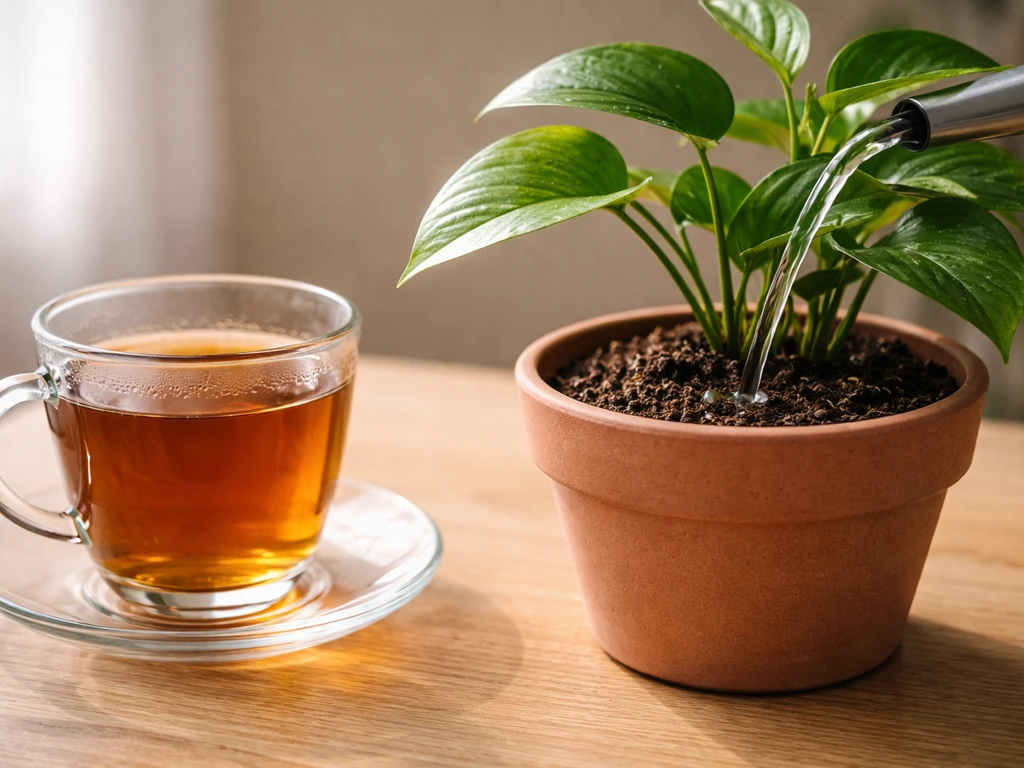
Coffee grounds are worth saving and composting. They genuinely contribute to long-term soil health, and if you're already interested in how organic amendments affect plant growth, the same principles apply across a wide range of plants beyond pumpkins. Does tea help plants grow? In many cases, brewed tea can add small amounts of nutrients, but composting or balanced feeding usually works better.
In general, can tea grounds help a plant grow depends on whether you compost them first or use them in a balanced way alongside proper nutrients brewed tea can add small amounts of nutrients. The key takeaway is to treat them as a compost ingredient rather than a direct soil treatment, keep quantities modest when used directly, and pair them with proper feeding if you actually want to move the needle on how fast your pumpkins grow.
These same composting principles also apply when you're asking whether coffee helps flowers grow how fast your pumpkins grow. If you’re wondering whether coffee helps flowers grow, composted grounds are the safer route compared with raw, direct applications.
FAQ
Can I use fresh coffee grounds instead of composted coffee grounds for pumpkins?
Yes, but only in a limited, controlled way. Fresh grounds have more intact carbon and can intensify nitrogen immobilization, so if you do not compost first, keep the amount very small, mix into the top few inches, and avoid applying right before planting or transplanting. Composting first is the safer default.
How much coffee grounds is “too much” if I want to mix them directly into the soil?
A practical guardrail is staying around a half-inch surface layer and mixing no deeper than the top four inches, then using normal watering to kick off breakdown. Larger volumes, repeated applications, or piling on top of the bed raise the odds of clumping, crusting, and temporary nitrogen lock-up.
Will coffee grounds burn pumpkin seedlings or damage roots?
Direct, raw applications are more likely to slow growth than to cause classic “burn,” but the mechanism is similar in effect. High fresh-ground amounts can immobilize nitrogen, limit oxygen and moisture at the surface, and create a crust that makes roots struggle, which can look like poor growth or stunting.
What if I already sprinkled raw coffee grounds on my pumpkin bed, can I fix it?
Usually, yes. Lightly rake and work the grounds into the top layer if they are sitting on the surface, then water thoroughly. Next, rely on a balanced compost or organic fertilizer so nitrogen becomes available during the period when the grounds may be tying it up. Avoid adding more coffee grounds until plants look stable.
Do coffee grounds help with pumpkin leaf yellowing?
Only indirectly. If yellowing is tied to nitrogen deficiency, coffee grounds typically do not correct it quickly because they release nutrients as they decompose. For faster improvement, use a plant-available nitrogen source like fish emulsion or another liquid fertilizer, and treat coffee grounds as a long-term soil improver via compost.
Are coffee grounds good for mulching around pumpkin plants?
Better as a small composted topdress than as a thick mulch. A 2 to 3 inch mulch of straw or shredded leaves is effective because it maintains airflow and moisture without creating a dense, hydrophobic layer. Thick coffee-ground layers can compact and form a barrier that reduces water and air movement.
Can I use coffee grounds in a container to grow pumpkins?
Try to avoid raw coffee grounds in containers. The confined soil volume makes nitrogen immobilization and drainage problems hit harder and faster. If you want to use coffee, compost it first and keep overall amendments balanced, then lean on compost and a suitable fertilizer program for container cucurbits.
Do coffee grounds change soil pH enough to help pumpkins?
Not reliably. Spent coffee grounds tend to test near neutral, which often fits pumpkin preferences already. If your soil is outside the ideal range, correct it using the appropriate amendments based on a soil test rather than assuming coffee grounds will do the job.
How can I tell whether coffee grounds are helping or harming my pumpkin plants?
Watch timing and symptoms. If growth slows soon after application, the most likely issue is nitrogen immobilization or surface crusting. If plants remain steady and soil moisture improves over time, the grounds are probably benefiting soil biology. In ambiguous cases, pause further coffee and support with balanced feeding.
Should I use both grounds and brewed coffee (liquid) on pumpkins?
If you use liquid, keep it cautious and dilute, because it adds dissolved organics and can contribute to uneven nutrient availability. The more predictable approach is composting the grounds and using finished compost in the bed, while relying on a balanced fertilizer plan for immediate pumpkin feeding needs.
Next Articles
Does Coffee Help Flowers Grow? Science and How to Use It
Coffee can help flowers only in small, composted, balanced soil uses; overdoing it harms pH and nutrients. Learn safe st
Does Coffee Help Plants Grow Indoors? What Works Safely
Find out if coffee grounds or brewed coffee help indoor plants, safe amounts, risks, and better alternatives to try.
Does Tea Bags Help Plants Grow? Safe Ways and Limits
Tea bags can boost plants only in small, limited ways. Learn safe diluted use, risks, and better growth basics.