Coffee can help flowers grow, but only under specific conditions and in the right form. Used carelessly, it can actually slow growth, tie up nitrogen, and make your soil inhospitable. Tea can be used for plants, but it helps much less reliably than proper fertilizer, and overdoing it can create nutrient and soil-condition issues it can actually slow growth. The most reliable way to use coffee in the garden is composted into your soil mix, not dumped straight onto your beds. And no, it won't reliably acidify your soil or replace a balanced fertilizer. Let me break down exactly what coffee does, when it helps, and what to do instead if you really want better blooms.
Does Coffee Help Flowers Grow? Science and How to Use It

Marcus Holloway
11 Jun 2026
What coffee grounds actually contain
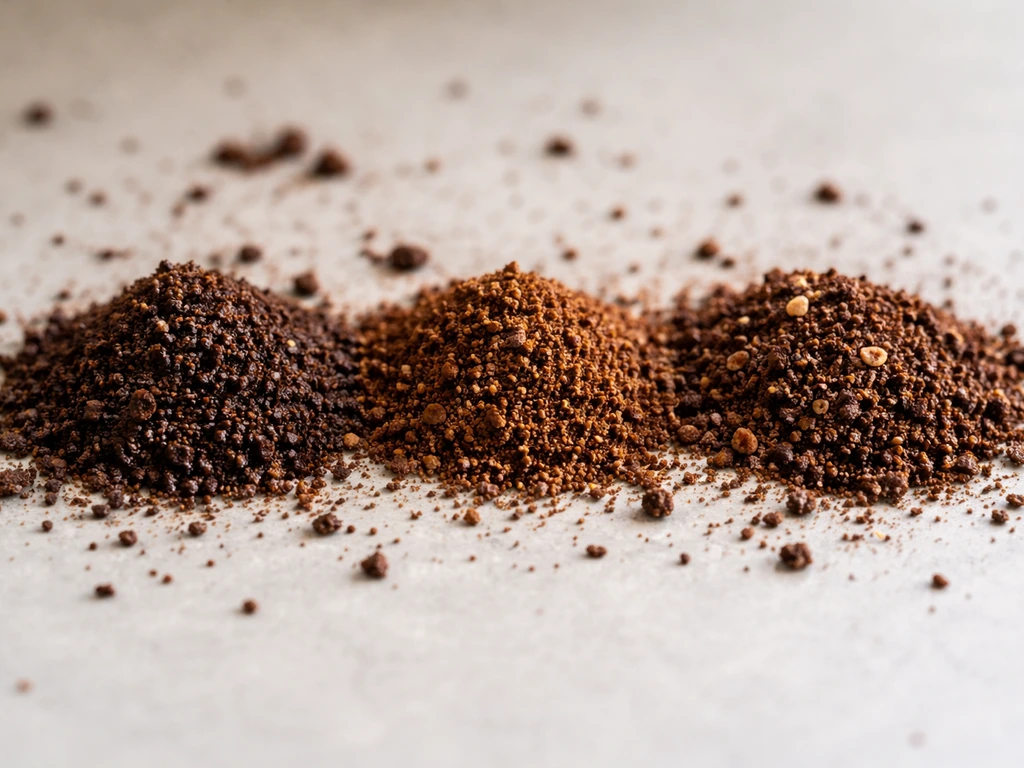
blank" rel="noopener noreferrer">Spent coffee grounds contain about 2% nitrogen by weight, which puts them roughly in the same ballpark as other organic soil amendments. Their carbon-to-nitrogen ratio sits somewhere blank" rel="noopener noreferrer">around 20:1 to 25:1 when fresh, and drops closer to 10:1 as the material breaks down. That nitrogen number sounds promising, but there's a catch: that nitrogen is not immediately plant-available. When you add high-carbon organic matter directly to soil, microbes start breaking it down and temporarily consume soil nitrogen in the process. This is called nitrogen immobilization, and it means your flowers could actually be more nitrogen-starved right after you apply grounds, not less.
Coffee grounds also contain small amounts of potassium and phosphorus, trace minerals, and some residual caffeine. The caffeine is worth taking seriously. Research has shown that raw spent coffee grounds can inhibit seed germination and slow early plant development. That's not a garden myth; it's been documented in peer-reviewed studies. The phytotoxicity is reduced significantly through composting, which is one of the clearest arguments for not just tossing fresh grounds directly onto your flower beds.
One more physical property that often gets overlooked: raw coffee grounds are highly hydrophobic, meaning they repel water before they break down. A thick layer of fresh grounds on top of soil can actually cause water to bead off and miss the root zone entirely. Over time this changes, but when the grounds are fresh, that water-repelling quality can work against you.
The pH myth you've probably already heard
The most persistent myth about coffee grounds is that they acidify soil, making them ideal for acid-loving flowers. Multiple university extension services have measured the pH of spent (brewed) coffee grounds and consistently found them to be nearly neutral, typically between 6.5 and 6.8. That's essentially the same pH as decent garden loam. The brewing process extracts the acidic compounds from the coffee, so what's left in your filter is largely pH-neutral material. If you're trying to lower soil pH for hydrangeas or rhododendrons, coffee grounds are not going to get you there. A soil test and targeted soil sulfur application will actually move the needle.
How to use coffee safely around flowers
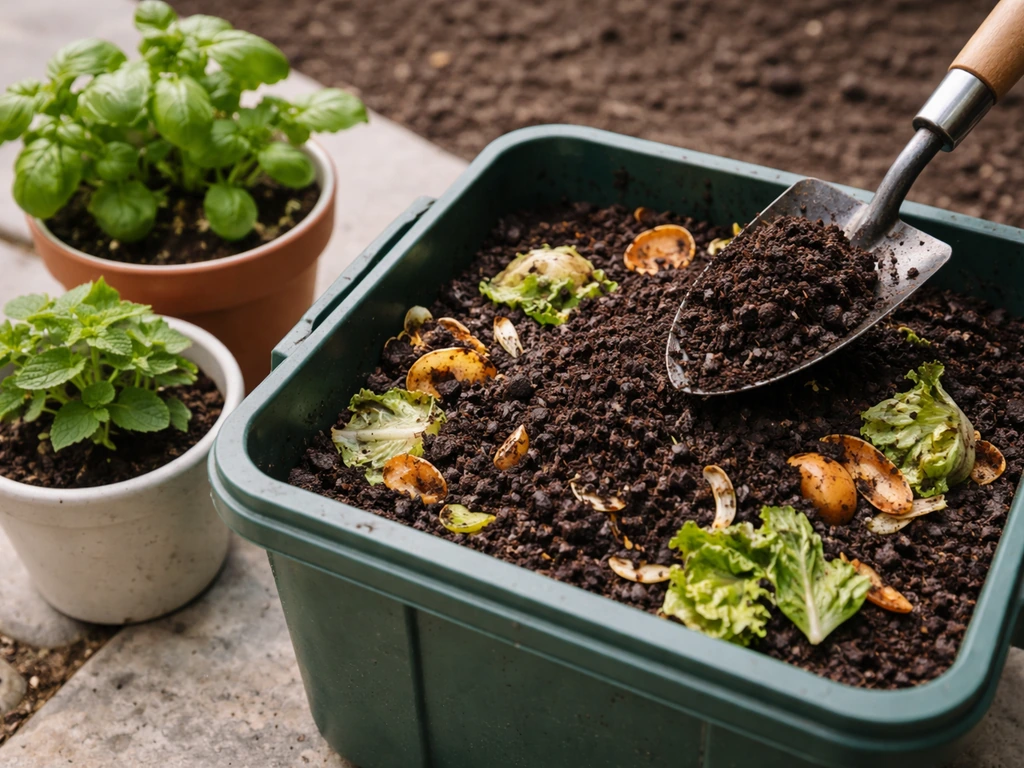
The safest and most effective approach is to compost your coffee grounds first rather than applying them directly. Research from MDPI confirms that composting significantly reduces the phytotoxicity from residual caffeine and other compounds, making the nitrogen more accessible and the material gentler on plant roots. When building a compost pile, keep coffee grounds to no more than 20 to 35 percent of the total volume. They pair well with carbon-heavy materials like dry leaves or cardboard to keep your pile balanced.
If you want to use grounds directly without composting, keep the layer thin. UConn Extension recommends no more than half an inch when applying fresh grounds as a surface mulch. Compare that to the 3 to 4 inch depth recommended for standard organic mulch, and you can see that coffee grounds are a supplement, not a standalone mulch strategy. Mix them in with other organic matter rather than applying them in a solid layer, which can mat together and block both water and air.
For liquid coffee as a soil drench, OSU Extension suggests a very dilute solution: roughly one part brewed coffee mixed with two parts water to create a 1 to 2 percent solution. Don't pour straight black coffee on your flowers. The concentration matters, and strong undiluted coffee can stress roots and further shift soil chemistry in unpredictable ways. Use the diluted drench occasionally, not as a routine watering replacement.
| Method | Benefit | Risk | Recommended frequency |
|---|---|---|---|
| Composted grounds (in compost blend) | Improved soil structure, gentle nitrogen release, reduced phytotoxicity | Minimal when composted properly | Work into soil each season |
| Direct surface mulch (fresh grounds) | Some organic matter, slug deterrence | Nitrogen tie-up, hydrophobicity, matting | Occasional, max 0.5-inch layer |
| Diluted liquid drench (1–2% solution) | Quick minor nutrient boost | Easy to over-apply, inconsistent results | Once every few weeks at most |
| Straight brewed coffee poured on soil | None reliable | Root stress, pH disruption, nitrogen disruption | Not recommended |
Does coffee actually change how flowers bloom?
Here's where the honest answer has to be: not reliably, and not dramatically. Tea grounds have similar concerns to coffee grounds, so they may help only in limited, composted or well-amended situations can tea grounds help a plant grow. In general, coffee does not reliably help plants grow in a way that replaces proper light, watering, and balanced fertilization coffee help plants grow?. Coffee grounds can contribute small amounts of nitrogen over time, which supports leafy vegetative growth. But nitrogen is not the key driver of flower production. Phosphorus and potassium are what push a plant toward blooming. Coffee grounds are low in both. University of Minnesota Extension specifically recommends using fertilizers with higher phosphorus relative to nitrogen to promote new blooms, which is the opposite of what coffee grounds provide in any meaningful quantity.
The real drivers of flower production are consistent light, proper watering, soil fertility with balanced nutrients, and for container plants, regular feeding with a bloom-focused formula. If your flowers aren't blooming well, coffee grounds are unlikely to fix that. Tea bags can leave behind residues and acids, but they are not a reliable way to boost plant growth. They might improve soil texture and microbial activity marginally as part of a compost blend, but that's a slow, background benefit, not a bloom trigger. This same limitation applies to pumpkins too, since coffee grounds are not a dependable way to boost growth do coffee grounds help pumpkins grow.
Better alternatives for boosting flower growth right now
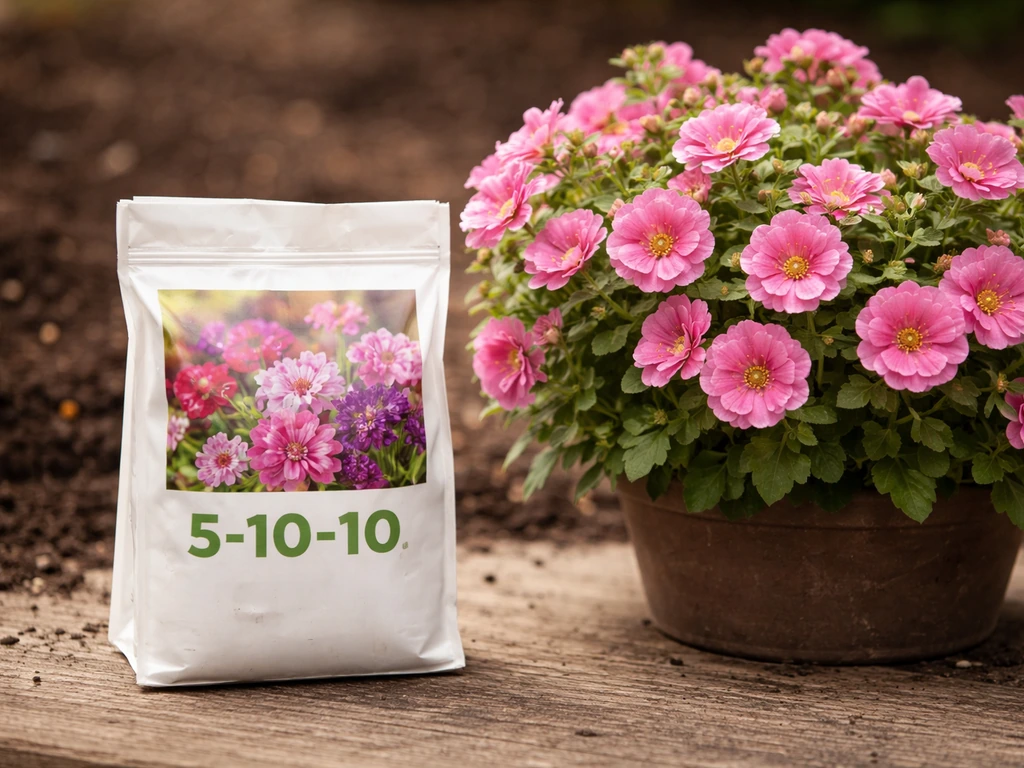
If you want more blooms today (or this season), here's what actually works. A bloom-specific fertilizer with higher phosphorus and potassium values will do more for your flowers in two weeks than months of coffee ground applications. For container plants especially, a soluble fertilizer applied every two to four weeks gives you quick, measurable results. For in-ground beds, a balanced slow-release granular fertilizer worked into the soil at planting and again mid-season covers your bases without the guesswork.
- Bloom fertilizer (higher phosphorus, such as a 5-10-10 or similar NPK ratio): apply monthly to support bud set and flowering
- Worm castings or well-aged compost: gentle, broad-spectrum soil improvement with no phytotoxicity risk
- Soil test first: knowing your actual pH and nutrient levels tells you what's missing so you're not guessing
- Consistent watering: uneven soil moisture is one of the top reasons flowers drop buds before they open
- Adequate light: most flowering plants need 6 or more hours of direct sun; no fertilizer compensates for shade
If you're already composting and want to include coffee grounds as one ingredient among many, go for it. That's a perfectly reasonable use of kitchen waste. But if you're buying coffee specifically to boost your flower garden, spend that money on a quality fertilizer instead.
Common mistakes that can actually hurt your flowers
The biggest mistake I see is applying fresh grounds continuously in thick layers, especially around flowering plants or seedlings. The combination of nitrogen immobilization, residual caffeine, and hydrophobic surface matting can genuinely set plants back. A ScienceDirect study found that direct application of spent coffee grounds can significantly reduce plant growth depending on soil type, application rate, and the plant's specific nutrient and pH preferences. It's not just theoretical risk.
- Assuming spent grounds are automatically safe: they still contain caffeine residues that can slow growth, especially in seedlings and young transplants
- Using coffee grounds to acidify soil without testing first: they won't reliably lower pH, and adding them blindly to already-neutral or acidic soil does nothing useful
- Piling on thick layers directly around plants: more than half an inch of fresh grounds creates a water-repelling, matted barrier
- Expecting coffee to replace proper fertilization: grounds don't have enough phosphorus or potassium to drive blooming, and the nitrogen they do have is slow and inconsistent
- Using straight brewed coffee as a watering can filler: undiluted coffee is far too concentrated and can alter soil chemistry unpredictably
How to decide if coffee is right for your specific flowers
Start with a soil test. Your local cooperative extension service usually offers them for under $20, and the results will tell you your actual pH, nitrogen, phosphorus, and potassium levels. If your soil is already neutral to acidic and nitrogen isn't your limiting factor, coffee grounds offer very little upside. If your soil is low in organic matter and you're already composting, adding grounds to that compost pile is a sensible use of kitchen waste.
The flowers most likely to tolerate or mildly benefit from composted coffee grounds are those that prefer slightly acidic, organically rich soil, such as roses, azaleas, camellias, and some annual flowers like zinnias. But even for these, composted grounds are a soil conditioner, not a magic bloom booster. Keep your expectations calibrated. Coffee is one small piece of a much larger fertility picture, and the readers who see real results from it are usually the ones who also got the light, water, and fertilizer right at the same time.
If you're curious how coffee affects your broader plant collection, the principles here connect closely to questions about whether coffee helps plants generally, whether caffeine itself plays a role, and how other organic kitchen waste like tea grounds performs by comparison. In each case, the honest answer is similar: the benefit is modest, composting first is safer, and no organic kitchen waste replaces targeted, soil-test-driven fertilization. Coffee grounds can help plants indoors only when composted or used as a very dilute addition, and they still are not a replacement for proper light and fertilizer.
FAQ
Can I use fresh (unbrewed) coffee grounds on flower beds?
It’s risky. Fresh grounds have more residual caffeine and a higher chance of nitrogen immobilization, plus they can repel water before breaking down. If you want to use coffee, compost it first, or if you insist on direct use, keep it thin and mix it into other organic matter so it’s not sitting as a concentrated layer.
Will coffee grounds acidify my soil for hydrangeas or blueberries?
Usually no. Spent brewed grounds are typically close to neutral pH, so they won’t reliably lower soil pH enough for acid-loving plants. Use a soil test first, then use targeted amendments such as sulfur or an appropriate acidifying product instead of relying on coffee.
If my flowers are growing fine, but not blooming, will coffee help?
Unlikely. Leafy growth can be supported a bit because grounds contain some nitrogen, but flowering is driven more by phosphorus and potassium availability and by adequate light. If blooming is the issue, switch to a bloom-focused fertilizer (higher P and K) and double-check light duration and watering consistency.
How long should I wait after adding coffee grounds before expecting benefits?
If composted, benefits are gradual and often show up over weeks as nutrients become available and soil biology recovers. If applied fresh directly, you may see a delay or even slowdown at first because microbes can tie up nitrogen during decomposition, so treat fresh application as a soil-conditioning step, not an immediate fix.
What’s the safest way to use coffee grounds in containers (pots, planters)?
Avoid thick top-dressings in containers because they can mat and hinder water and air movement around roots. Better options are mixing composted coffee grounds into the potting mix, or using a very dilute compost-based approach rather than trying to replace fertilizer in small volumes of soil.
Is it okay to use coffee grounds around seedlings and newly planted flowers?
Better not. Seedlings are more sensitive to caffeine-related effects and to short-term nitrogen immobilization. If you want to include coffee, start with composted material only, and keep the dose low and mixed rather than placed in a concentrated band near the stems.
Can I water plants with leftover coffee (liquid) from my mug?
Only if it’s very dilute and occasional. Strong coffee can stress roots and create unpredictable chemistry. A safer rule is to dilute brewed coffee heavily into plain water, and never use it as a replacement for normal watering or a regular fertilizer program.
Do coffee grounds replace fertilizer, since they add nitrogen?
No. Even though grounds contain some nitrogen, it is not instantly plant-available, and they are low in phosphorus and potassium, which are crucial for blooms. Treat coffee grounds as a minor soil amendment, then use fertilizers based on what your soil test shows and what your plants need to flower.
How do I avoid water-repelling problems from coffee grounds?
Don’t pile fresh grounds on top of soil. Mix them into compost or other organic materials so water can reach the root zone. If you already applied a thick layer, lightly incorporate it or spread it more thinly to reduce beading and matting.
Should I include coffee grounds in compost, and what ratio is safest?
Yes, composting is the preferred route. Keep coffee grounds to a moderate fraction of the total compost volume (roughly in the low-to-mid range stated in the article) and balance with carbon-heavy materials like dry leaves or cardboard so decomposition stays steady and phytotoxic compounds break down.
Which flowers are most likely to tolerate coffee-ground compost?
Plants that tolerate slightly acidic, organically rich soil often handle it better, such as roses and some shrubs that prefer that range. Even then, coffee is not a bloom booster, so pair it with proper light, watering, and a fertilizer that matches the flowering stage.
Next Articles
Does Coffee Help Plants Grow Indoors? What Works Safely
Find out if coffee grounds or brewed coffee help indoor plants, safe amounts, risks, and better alternatives to try.
Does Tea Bags Help Plants Grow? Safe Ways and Limits
Tea bags can boost plants only in small, limited ways. Learn safe diluted use, risks, and better growth basics.
Does Tea Help Plants Grow? What Works and What to Avoid
Learn if tea helps plants grow and how to use green tea or leaves safely, or avoid risks like acidity and mold.