Worm castings help plants grow by improving soil structure, flooding the root zone with beneficial microbes, and releasing a concentrated package of nutrients, including nitrogen, phosphorus, and potassium, in forms roots can actually absorb. They are not magic, but they are genuinely one of the most effective organic soil amendments you can use, and the science behind why they work is pretty compelling.
How Do Worm Castings Help Plants Grow? Benefits and Use

Marcus Holloway
9 Jun 2026

What worm castings actually are (and what's inside them)
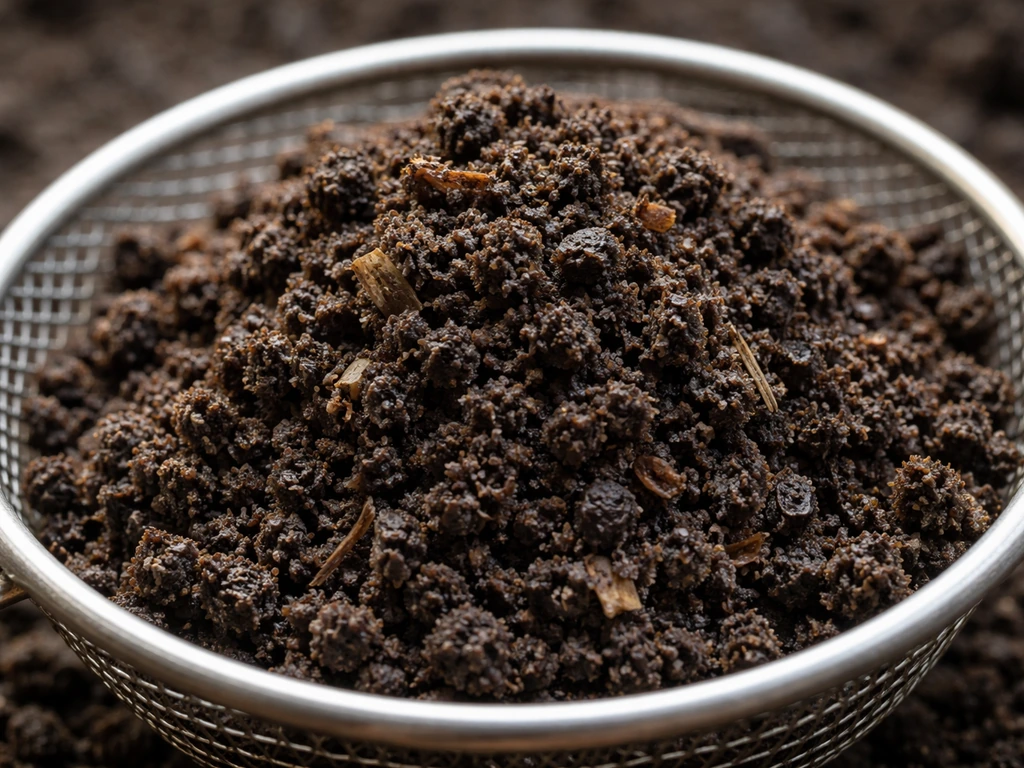
Worm castings, also called vermicast, are the end-product of organic matter that has passed through an earthworm's digestive system. The process, vermicomposting, uses earthworms and the microorganisms living in and around them to break down raw organic material into a dense, dark, earthy-smelling amendment that looks a bit like coffee grounds. The US EPA classifies vermicompost as a high-quality soil amendment, and that reputation is well-earned once you look at what ends up inside.
A meta-analysis pulling data from multiple studies on cast fertility found that compared to the bulk soil around them, worm castings are significantly enriched across every key fertility measure. Total carbon was about 40% higher. Total nitrogen and total phosphorus were both elevated by roughly 40 to 48%. Available phosphorus, the form plants can actually use, was around 84% higher. And mineral nitrogen, which is immediately plant-available, was a staggering 241% higher than in surrounding soil. That is not a rounding error. That is a fundamentally different nutritional environment packed into a small volume of material.
Castings also tend to run about 0.5 pH units higher than the bulk soil they came from. That slight alkalizing effect can be a benefit if you are working in acidic soil, but it is worth keeping in mind if you grow acid-loving plants like blueberries or azaleas.
How castings improve soil structure and root growth
Before a plant can use any nutrient, its roots have to be able to grow into and through the soil to find them. Fertile soil helps plants grow by supporting root expansion and nutrient availability, which leads to stronger, healthier plants. This is where castings do something that a synthetic fertilizer simply cannot: they physically improve the soil. The granular structure of castings creates tiny air pockets that improve drainage in heavy clay soils and increase water-holding capacity in sandy soils. Roots push through this kind of loose, aerated medium much more easily than through compacted ground. This is similar to how plowing helps plants grow better by improving soil aeration and loosening compaction before roots can expand how does plowing help plants grow better.
Castings also contain compounds called mucopolysaccharides, which are essentially sticky gums that help bind soil particles into stable aggregates. This aggregate structure, often called soil tilth, is what distinguishes crumbly, alive-feeling garden soil from the dusty or brick-like stuff that makes growing frustrating. Better structure means more oxygen reaching roots, better water movement, and less compaction over time. This is closely related to what humus does for soil, since castings are a concentrated form of stabilized organic matter with many of the same structural benefits.
Nutrients and microbial life: what actually changes for your plants
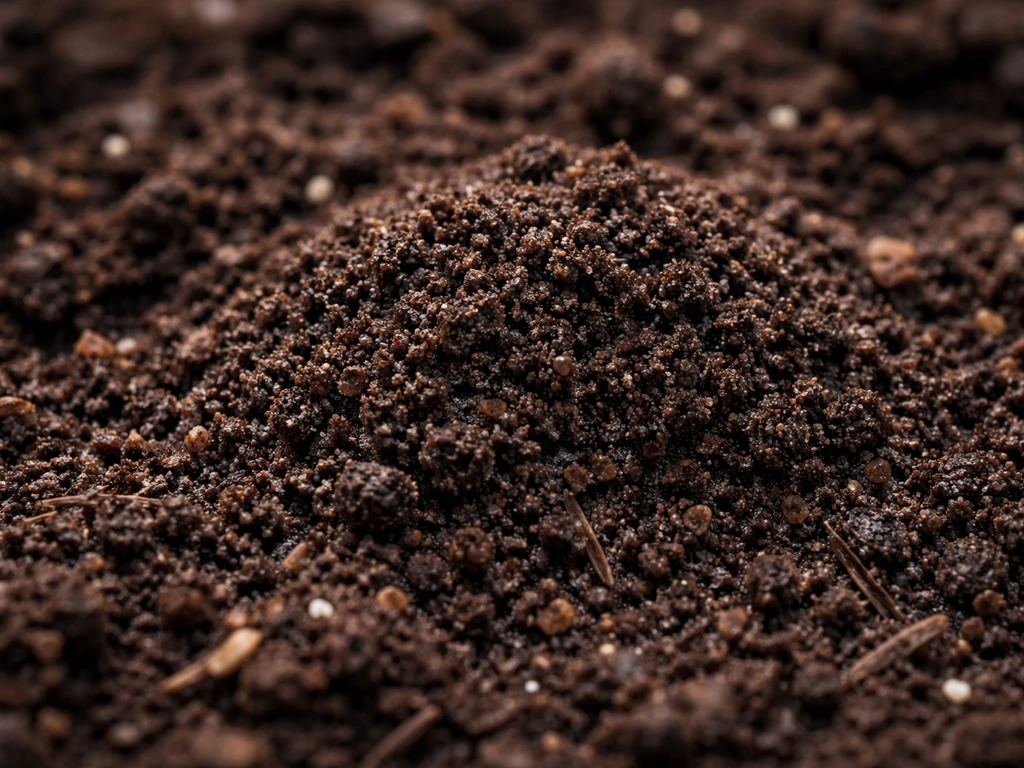
The nutrient enrichment in castings is impressive on paper, but what makes it practical is that the nutrients are released slowly and continuously rather than dumping all at once. The worm's digestion converts organic nitrogen into forms that soil microbes and then plant roots can access in sequence. You get a slow-release nitrogen effect similar to what you see with urea or other organic nitrogen sources, but without the burn risk of high-concentration synthetic inputs. Urea helps plants grow by supplying readily available nitrogen that supports leafy growth, especially when soil conditions and timing are right.
The microbial angle is equally important. Castings are teeming with bacteria, fungi, and other organisms that continue working once they are in your soil. These microbes solubilize phosphorus, suppress some soil-borne pathogens, and form relationships with roots that improve nutrient uptake. You are not just adding nutrients when you use castings; you are inoculating your soil with a living workforce. This is a meaningful difference from simply applying ammonia-based fertilizers or urea, which feed plants directly but do little for long-term soil biology. Ammonia-based fertilizers can still support growth by providing nitrogen, but they do not provide the same soil-structure and living-microbe benefits as castings.
There is also evidence that castings contain plant growth hormones including auxins and cytokinins. Auxin in particular plays a central role in root elongation and cell development, so the presence of naturally occurring auxin-related compounds in castings may partly explain why root growth responds so visibly when castings are used. Auxin helps plants grow by promoting root elongation and supporting cell development, which is why plants often respond with stronger, faster root growth. It is one of those details that separates worm castings from generic compost.
How to use worm castings: rates and application methods
This is where most gardening advice gets vague, so let me be specific. The right rate depends on your use case, but here is a reliable baseline that works across most situations.
| Application type | Rate or ratio | Method |
|---|---|---|
| Potting mix (new containers) | 10–20% by volume | Blend thoroughly before filling container |
| Established container plants (top-dress) | 1–2 cm layer on surface | Apply around base, water in well |
| In-ground garden beds | 2.5–5 cm layer worked into top 10 cm | Mix into existing soil before planting or as side-dress |
| Seed starting mix | 10–15% by volume | Mix in; no fertilizer burn risk for seedlings |
| Worm casting tea | 100–200 g castings per 4 litres of water | Steep 24–48 hrs, stir occasionally, use immediately |
Worm casting tea deserves a quick mention because it shows up a lot in gardening circles. You steep a measured amount of castings in unchlorinated water, sometimes with an aerator to encourage microbial activity, and apply the liquid directly to soil or as a foliar spray. The idea is to dilute and distribute the microbial and soluble nutrient benefits quickly across a larger area. Humus helps plants grow in a similar way by improving soil structure and slowly feeding roots, so your plants can thrive over time soluble nutrient benefits. It works, but the key is using it immediately after brewing and making sure you are starting with quality castings in the first place.
When to apply: seedlings, containers, and in-ground timing
Seedlings and transplants
This is the single best use case for worm castings. Mix them into your seed-starting or transplant mix at 10 to 15% by volume. The gentle, slow-release nutrient profile will not burn tender roots, the microbial life gives young plants a healthy start, and the improved structure supports early root development. You can also add a small amount directly into the planting hole when transplanting starts into the garden.
Container plants
Top-dress established container plants every 4 to 6 weeks through the growing season. Apply a 1 to 2 cm layer around the base of the plant and water it in. This replenishes microbial activity that depletes faster in containers than in open soil, and it keeps nutrients available without the salt buildup that synthetic fertilizers can cause.
In-ground beds
Work castings into the top 10 cm of soil in spring before planting, or apply as a side-dressing around actively growing plants mid-season. You will not see dramatic overnight changes, and that is normal. Expect to notice improved soil texture and stronger plant vigor within 2 to 4 weeks for fast-growing annuals, and more gradually for perennials and shrubs. By week 6 to 8 you should see measurable differences in leaf color, stem strength, and new growth rate if the other limiting factors (light, water, drainage) are adequate.
Common mistakes and what to do when results disappoint
I have seen quite a few gardeners add worm castings and then wonder why nothing changed. Almost every time, the issue was not the castings. Here are the real culprits.
- Insufficient light: castings improve nutrient availability, but if your plant is not getting enough light to photosynthesize properly, extra nutrients sit unused. No soil amendment overrides a light deficiency.
- Overwatering or poor drainage: waterlogged roots cannot absorb nutrients regardless of how rich the soil is. If the soil smells sour or the plant is wilting despite wet soil, drainage is your problem.
- Using low-quality castings: bulk bags labeled 'worm castings' vary wildly in quality. Cheap products may be mostly filler compost with very few actual castings. Look for a dark, earthy-smelling product with a granular texture, not a pale, powdery, or odorless one.
- Over-application: castings are gentle, but piling on large amounts will not accelerate results and may tip pH further than desired, especially for acid-loving plants.
- Expecting changes in days: castings work through biology, not chemistry. Give it at least 2 to 4 weeks before concluding something is wrong.
- Ignoring pH: the slight alkalizing effect of castings (roughly 0.5 pH units) is usually beneficial but can work against you if your soil is already at or above pH 7. Test your soil before applying heavily.
- Compaction left unaddressed: if your soil is physically compacted, castings mixed into the top layer will help the surface but roots will still hit a wall below. Break up compaction mechanically first, just as you would before working in any fertile soil amendment.
It is also worth saying clearly: worm castings are a soil builder and a gentle nutrient source, not a replacement for adequate watering, light, or a balanced fertilization program. If a plant is severely deficient in, say, sulfur or is growing in near-darkness, castings will not compensate. Sulfur is one of the nutrients plants need to build proteins and enzymes, so if your soil is low, addressing sulfur can improve growth alongside using castings. The science that makes worm castings genuinely useful is also the science that explains their limits.
Your 2–8 week test plan
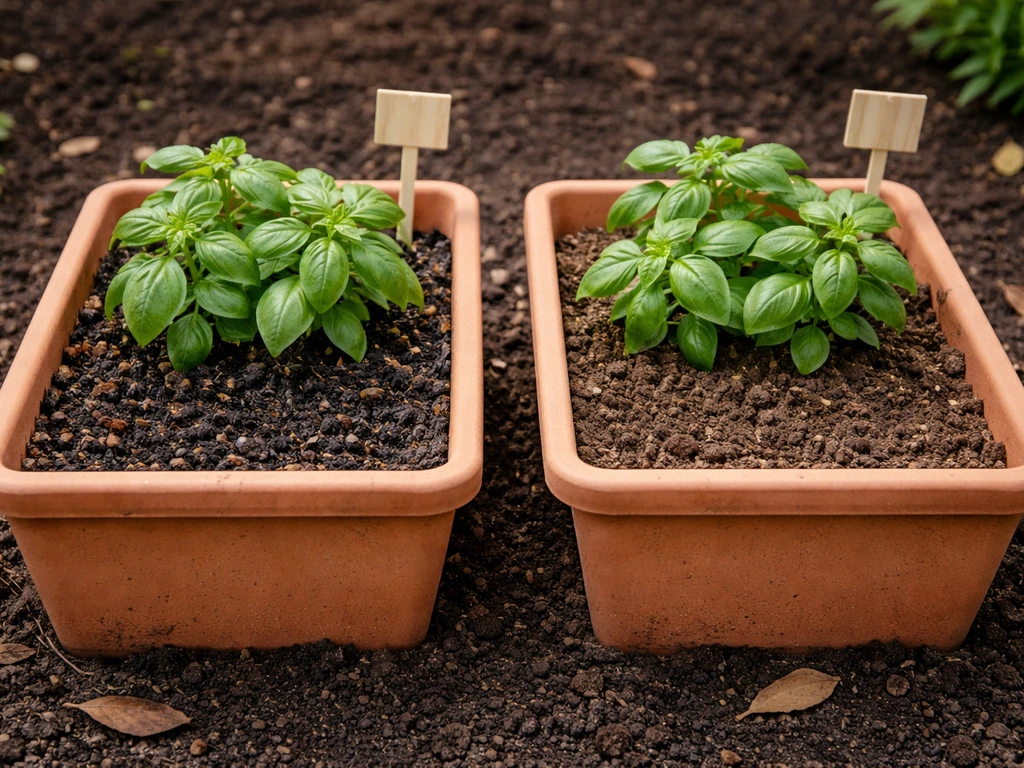
The most practical thing you can do today is run a simple side-by-side test. Pick one bed or a pair of containers with the same plant in similar conditions. Apply castings to one at the recommended rate and leave the other unchanged as your control. Take a photo and note the current leaf color, plant height, and general vigor. Check back at week 2 and week 4. By week 6 to 8, you should see a visible difference in new growth density, leaf color saturation, and stem strength in the amended plant, assuming light, water, and drainage are the same for both. If you do not see a difference, use that as diagnostic information: check your drainage, confirm light levels, and look at whether your castings were genuinely high quality. Adjust one variable at a time and retest. That is how you build a real picture of what your soil and plants actually need.
FAQ
How often should I apply worm castings for best results?
For most home gardens, follow the cadence implied by the soil-builder effect: mix into seed-starting or transplant mixes at 10 to 15% by volume, then top-dress containers every 4 to 6 weeks. In open ground, work castings into the top 10 cm in spring or side-dress mid-season, then reassess at 2 to 4 week intervals instead of applying large doses repeatedly.
Can I overuse worm castings, and what would overuse look like?
Yes. Even though castings are gentle, too much can cause overly rich, slow-to-dry soil in containers, which can lead to wilting that is actually root oxygen stress. If plants look constantly damp, have weak growth, or develop fungus gnats, reduce the next application rate and improve drainage before adding more.
Are worm castings safe for seedlings and transplants right away?
They are generally safer than concentrated synthetic fertilizers, but never use raw vermicompost straight from a compost pile. Use castings that are well-processed and mix them into potting or seed-start mix at the recommended 10 to 15% by volume. If you are unsure, start at 5 to 10% and increase only after you see healthy root development.
What is the best way to use worm casting tea, and should I spray it on leaves?
Apply it as close to brewing time as possible, and use unchlorinated water. Soil application is usually more reliable than foliar feeding because the microbes and soluble nutrients can continue working in the root zone. If you do foliar spray, test on one plant first and avoid spraying in full sun to reduce leaf burn risk.
Do worm castings replace fertilizer programs or compost?
No. They act as a soil amendment and mild, slow-release nutrient source, not a complete replacement for targeted nutrition. If your crop has known requirements or deficiencies, pair castings with an appropriate balanced fertilizer plan and address missing nutrients separately (for example, sulfur if growth is limited by low sulfur).
Why am I not seeing any improvement after using worm castings?
Most “no results” cases are caused by factors other than castings, such as insufficient light, inconsistent watering, poor drainage, or using castings that are low quality or contaminated. Run a simple side-by-side test in the same light and watering conditions, then check drainage and soil moisture before adding more castings.
Do worm castings change soil pH, and will that harm acid-loving plants?
Castings can run slightly higher pH than surrounding soil (about half a pH unit higher in the article’s context). If you grow blueberries, azaleas, or other acid-loving plants, monitor soil pH over time and keep application rates modest, especially in containers where pH changes can concentrate faster.
How do I know if my worm castings are high quality?
Look for a dark, uniform, earthy, not-rotten smell and avoid products that smell strongly sour or anaerobic. Quality also matters for microbe activity and nutrient consistency, so if your plants show no response in your control test, consider switching brands or verifying that the castings were fully vermicomposted before use.
Should I add worm castings to hydroponics or pure soilless systems?
Typically no. Worm castings are designed to improve soil structure and living microbial activity in a growing medium. In hydroponics, nutrients and oxygen control are handled differently, and adding castings can introduce unwanted microbes and clogging risks. For soilless mixes, use castings only in soil-based potting mixes and follow the mixing percentages.
Next Articles
How Does Sulfur Help Plants Grow? Fix Deficiency Fast
Learn how sulfur boosts growth, spot sulfur deficiency, then choose and apply the right sulfur product safely and fast.
How Fertile Soil Helps Plants Grow: Key Mechanisms
Learn how fertile soil boosts growth via nutrients, structure, water balance, microbes, and quick testing for better gar
How Does Protein Help Plants Grow? Nitrogen Explained
How plants use nitrogen to build amino acids and proteins for growth, with fixes for yellow leaves and nitrogen myths.