Plants don't eat protein the way you do. They build it. That distinction matters a lot, because when gardeners ask how protein helps plants grow, they're usually trying to solve a real problem: slow growth, yellowing leaves, or a plant that just looks tired. The honest answer is that plants synthesize their own proteins from nitrogen they pull out of the soil, and what your plant actually needs from you is a reliable supply of nitrogen, not a scoop of protein powder. Get the nitrogen right, and your plant builds the enzymes, chlorophyll, and structural proteins it needs to thrive on its own.
How Does Protein Help Plants Grow? Nitrogen Explained

Marcus Holloway
29 May 2026
What 'protein' actually means for a plant
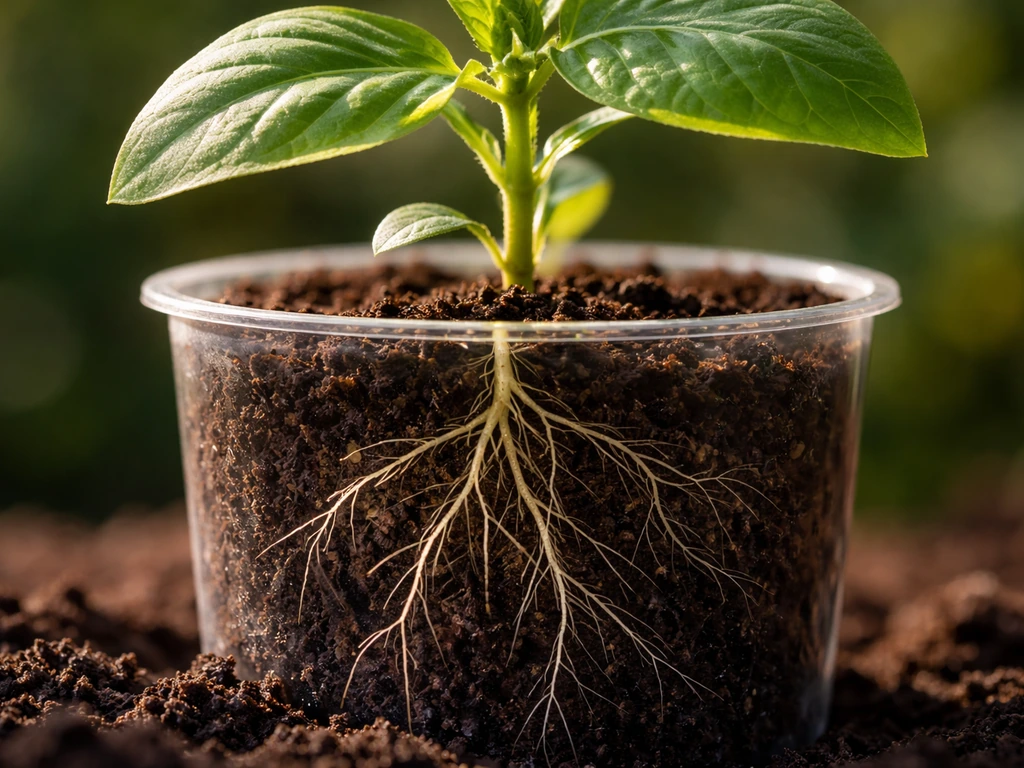
In your body, proteins are things you consume and break down. In a plant, protein is something the plant manufactures from scratch. Plants take inorganic nitrogen from the soil, mostly as nitrate (NO3-) or ammonium (NH4+), and use it to build amino acids. Those amino acids are the building blocks of every protein the plant makes. So protein isn't an input for plants, it's an output. The plant is the factory, not the consumer.
This is why dropping a chicken breast in your planter box does nothing useful in the short term. A plant can't absorb complex proteins through its roots or leaves. It needs those proteins broken down all the way to inorganic nitrogen by soil microbes before any of it becomes available. The confusion is understandable, because we use the word 'protein' for both the nutrient humans eat and the molecules plants make, but the processes are completely different.
How plants build proteins from nitrogen and amino acids
Once a plant absorbs nitrate through its roots, it doesn't stay as nitrate. The plant first reduces it to ammonium, then funnels that ammonium into amino acids using a series of enzymes, mainly glutamine synthetase (GS) and glutamate synthase (GOGAT). These enzymes assemble amino acids by combining nitrogen with carbon skeletons pulled from photosynthesis and respiration. The whole process requires energy (ATP) and reducing power (NADH), which is why a plant that isn't getting enough light or isn't photosynthesizing well can struggle to use nitrogen even when it's there in the soil.
This chemistry happens in specific compartments. Nitrate reduction starts in the cytosol, while the later steps of amino acid synthesis happen in plastids. The plant is running a tight, compartmentalized assembly line, and nitrogen is the raw material that keeps the whole line moving. Without enough of it, production slows down across the board.
What those plant proteins actually do (chlorophyll, enzymes, and new tissue)
Proteins drive almost every growth process a plant runs. You may also be wondering how does sulfur help plants grow, since it’s another key nutrient involved in making proteins and supporting healthy growth. A lot of that growth depends on fertile soil, because it supplies nitrogen and the biology that helps make nutrients available in a usable form. Chlorophyll itself contains nitrogen, which means a nitrogen-starved plant can't produce enough chlorophyll to run photosynthesis efficiently. Enzymes that control metabolism are proteins. The structural components of new leaves, stems, and roots are built from proteins. When your plant is pushing out fast, lush growth, it's running a high-nitrogen operation inside every cell.
- Chlorophyll production: nitrogen is a core element in the chlorophyll molecule, so low nitrogen directly limits photosynthesis
- Enzyme activity: virtually every metabolic reaction in a plant is catalyzed by a protein enzyme that requires nitrogen to build
- Cell division and new tissue: growing shoot tips, unfolding leaves, and extending roots all need protein synthesis running at full speed
- Nitrogen remobilization: when supply is short, plants move nitrogen from older leaves to new growth, which is why older leaves show deficiency symptoms first
What to actually supply: nitrogen sources that work
Since plants need nitrogen in inorganic form (nitrate or ammonium), your job as a gardener is to make sure the soil delivers it steadily. There are several ways to do that, and they differ in speed, cost, and how they fit into the soil ecosystem.
Fast-acting synthetic sources
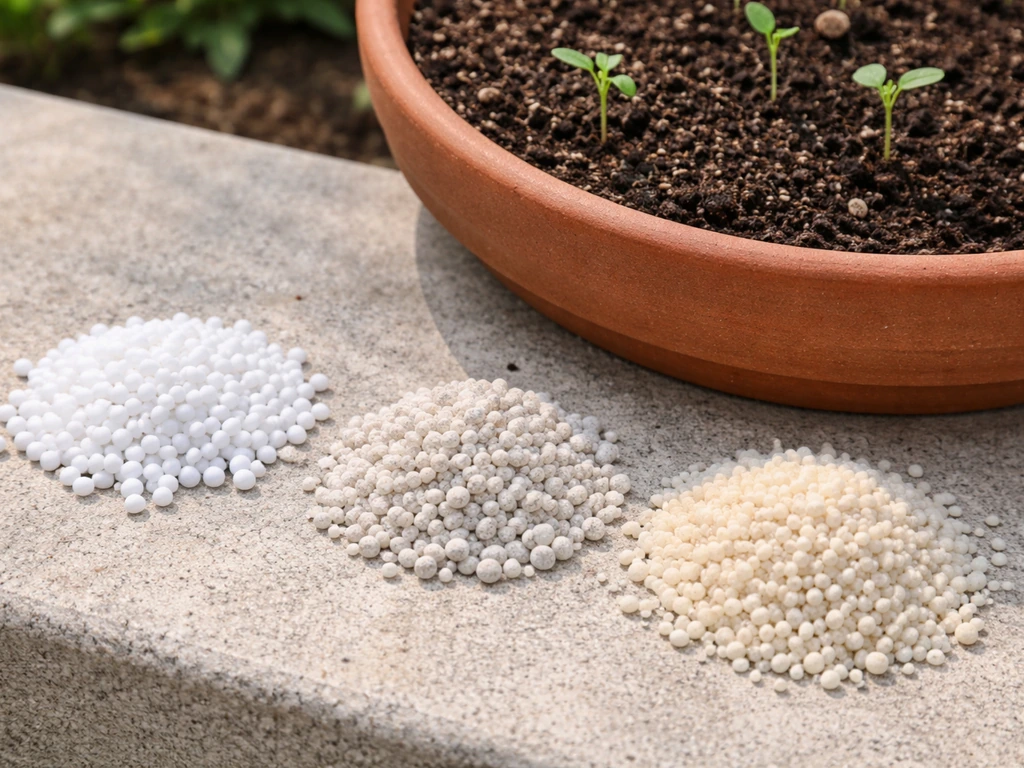
Urea, ammonium nitrate, and calcium nitrate are all widely available and act relatively quickly. Urea is popular and affordable, but it needs to be incorporated into soil or watered in well. blank" rel="noopener noreferrer">Left sitting on the surface, it hydrolyzes and releases ammonia gas that drifts away rather than feeding your plant. Ammonia is also part of the nitrogen cycle for plants because soil microbes and fertilizers can convert nitrogen into forms like ammonium that plants use. If you're using urea, either work it into the top inch of soil or apply it right before rain or irrigation. Urease inhibitors (products containing NBPT) can also slow that volatilization loss if incorporation isn't practical.
Organic sources that release slowly
Blood meal, feather meal, and fish emulsion are the go-to organic nitrogen sources. Blood meal is fast for an organic product, often available within a week or two. Feather meal releases more slowly over weeks to months. Fish emulsion is gentle, liquid, and easy to use on potted plants or foliar-sprayed in dilution.
Compost and aged manure release nitrogen even more slowly as microbes break down the organic matter, which is why they're great for building long-term soil fertility but won't rescue a plant in acute deficiency this week. These organic sources are essentially doing what that chicken breast in the pot would eventually do, just in a controlled, microbially active soil environment. Worm castings are another organic nitrogen option that supports soil microbes and can help plants grow steadily.
Legumes and nitrogen fixation
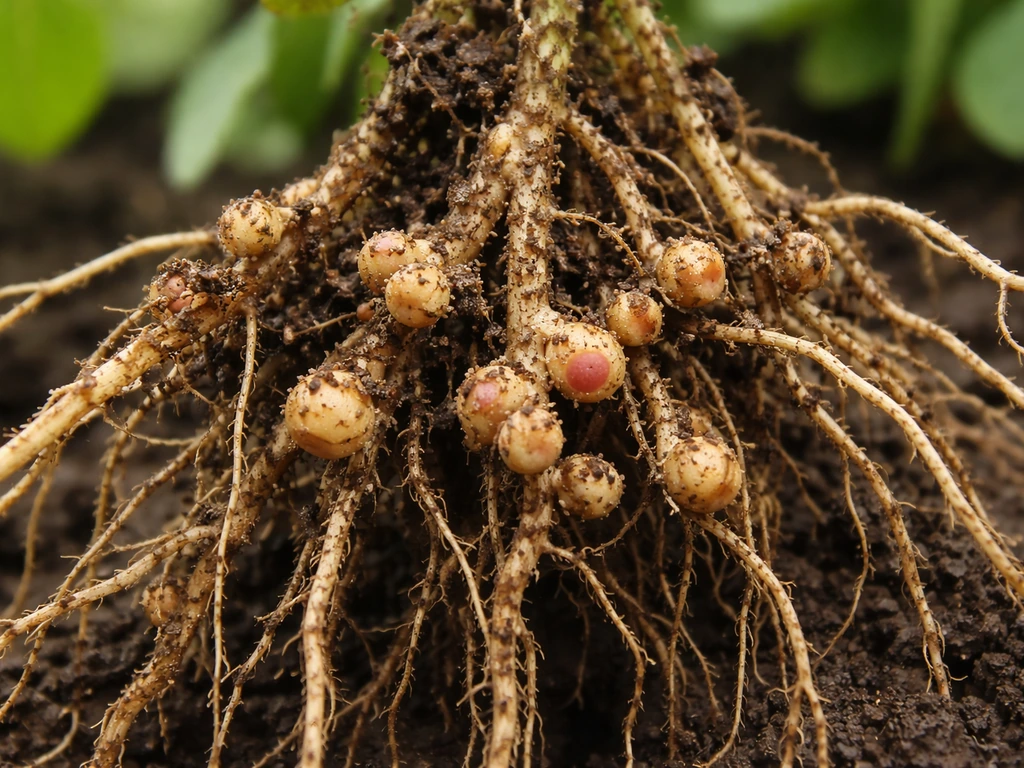
Legumes partner with rhizobia bacteria to fix atmospheric nitrogen directly into root nodules. If you cut open a nodule that's actively fixing nitrogen, it'll be pink inside from leghemoglobin, which maintains the low-oxygen environment the nitrogenase enzyme needs. This is a remarkable system, but it has requirements: the right rhizobia species needs to be present (inoculation helps), soil pH should be close to neutral (acidic conditions around pH 4 essentially shut nodulation down), and the soil texture and climate need to be cooperative. Legumes are a long game for building nitrogen, not a quick fix, but they're powerful for improving beds over a season.
Mycorrhizal fungi also contribute to nitrogen acquisition. Arbuscular mycorrhizal fungi (AMF) can transfer nitrogen to plant roots, expanding the effective foraging area beyond what roots alone can reach. Keeping your soil biology healthy, by avoiding excess synthetic fertilizer and maintaining organic matter, supports both of these natural nitrogen pathways.
Spotting nitrogen deficiency (and not confusing it with something else)
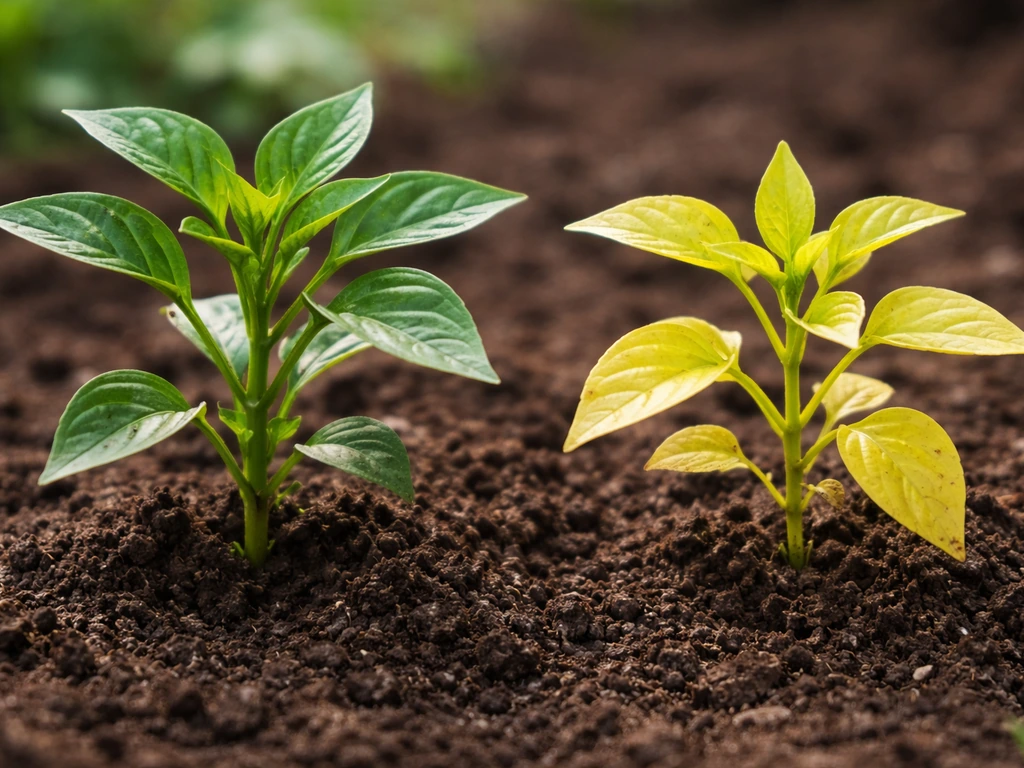
The classic nitrogen deficiency picture is yellowing that starts on the oldest, lowest leaves and works its way up. Because nitrogen is mobile inside the plant, when supplies are tight the plant pulls nitrogen from old tissue and ships it to the new growth at the top. So the top stays green and the bottom goes yellow. That pattern is your first diagnostic clue.
But yellowing (chlorosis) has a lot of causes, and getting the diagnosis right before you throw fertilizer at the problem matters. Here's how the main ones differ:
| Problem | Which leaves yellow first | Pattern of yellowing | Other clues |
|---|---|---|---|
| Nitrogen deficiency | Oldest, lowest leaves | Uniform pale green to yellow | Slow growth, small leaves, pale overall color |
| Iron deficiency | Youngest, newest leaves | Interveinal (veins stay green) | Often on alkaline or waterlogged soils |
| Manganese/zinc deficiency | Varies by nutrient | Interveinal on young or mid-canopy leaves | Check soil pH, common on sandy soils |
| pH lockout | Any | Mixed or interveinal patterns | Nutrients present in soil but unavailable; test pH |
| Root damage/compaction | Any, often patchy | Irregular, can mimic multiple deficiencies | Wilting despite moisture, root rot smell |
| Drought stress | Any | Marginal scorch, curling, wilting | Dry soil, high heat, crispy edges |
One thing that trips a lot of gardeners up: if your soil pH is way off, you can fertilize all you want and the plant still won't take up nitrogen efficiently. At high pH (above 7.5), iron and manganese become less available. At low pH (below 5.5), aluminum and manganese can become toxic and nitrogen-fixing bacteria struggle. A soil test costs a few dollars and removes the guesswork. If your pH is out of range, fix that first.
How to apply nitrogen correctly without overdoing it
Timing to growth stage
Nitrogen demand isn't constant. Seedlings need modest amounts as they establish. Vegetative growth stages (actively leafing out, putting on stem mass) are when nitrogen demand peaks. Once plants shift toward flowering and fruiting, you usually want to ease off nitrogen or you'll push lush leafy growth at the expense of flowers and fruit. Too much nitrogen at fruiting time is a common mistake: you get a beautiful green plant and very little to harvest.
Application rates and soil type
Sandy soils drain fast and hold very little ammonium or nitrate. On sandy ground, apply nitrogen in smaller, more frequent doses rather than one big hit that leaches past the roots. Clay and loamy soils hold ammonium (which is positively charged and binds to soil particles) better, but nitrate (negatively charged) moves freely with water in any soil type and can leach below the root zone in heavy rain. Matching your fertilizer form and timing to actual plant uptake is what separates smart nitrogen management from wasteful or harmful applications.
Hydroponics: nitrogen form matters even more
In hydroponic systems, nitrate is the primary nitrogen form, and ammonium is used in smaller proportions. Research on lettuce in deep-water culture points to an optimal ammonium-to-total-nitrogen ratio around 20%, with total nitrogen in the range of 100 mg/L. Too much ammonium in solution becomes toxic quickly because there's no soil buffering. If you're running hydroponics, stick to formulated hydroponic nutrients, watch your EC (electrical conductivity) meter, and don't try to supplement with organic protein products that will foul your reservoir and disrupt the whole system.
Foliar feeding: when it helps and when it's mostly marketing
Foliar feeding with nitrogen-containing liquids, like diluted fish emulsion or urea solution, can provide a quick correction when roots are struggling temporarily. Leaves can absorb some nutrients through their stomata and cuticle. There is also research showing that foliar amino acid products, often sold as biostimulants, can influence nitrogen metabolism in plants under stress conditions like water deficit. Some of these effects are real and worth considering for specialty crops or specific stress scenarios.
That said, foliar applications are a supplement, not a replacement for healthy root nutrition. Most marketing around 'foliar protein' overstates the effect dramatically. The amounts a leaf surface can absorb are small compared to what roots deliver. Use foliar feeding to bridge a gap, not as your primary nitrogen strategy.
Myths and mistakes worth clearing up
Myth: Adding protein directly to soil or leaves feeds plants protein
Plants cannot absorb intact protein molecules in any meaningful way. Spraying protein powder dissolved in water on your leaves, or digging whole protein sources (meat, eggs, protein supplements) into your garden bed, does not directly feed the plant. Soil microbes have to break those organic materials down to ammonium first, and that process takes time and the right conditions. Some amino acids can be absorbed by plant roots in small amounts under certain conditions, but this is a minor pathway and not something you can reliably exploit by dumping organic protein into a pot.
Myth: More nitrogen always means better growth
Overfertilizing with nitrogen is a very real problem. Symptoms of nitrogen burn include leaf tip scorch, brown edges, and in severe cases, wilting despite wet soil because salt damage disrupts the root's ability to absorb water. Even before you hit toxicity, excess nitrogen during flowering delays fruiting, promotes excessive vegetative growth, and can make plants more susceptible to pests and disease. Follow label rates, do a soil test if you're uncertain, and remember that more is not better.
Myth: 'Organic' nitrogen products are always safe to apply heavily
Blood meal has an N-P-K around 12-0-0, which is comparable to many synthetic fertilizers in terms of nitrogen content. Applied too heavily, it can burn plants just as synthetic nitrogen can. Organic doesn't mean unlimited. Use organic sources at recommended rates and be especially cautious with concentrated products like blood meal near seedlings or shallow-rooted plants.
Your practical next steps
If you're looking at a plant right now that's yellowing or growing slowly, work through this sequence before reaching for fertilizer:
- Check which leaves are yellowing: older and lower means suspect nitrogen, younger and upper means suspect iron or pH issues
- Test soil pH if you haven't recently: target 6.0 to 7.0 for most vegetables and ornamentals
- Check moisture and drainage: root damage from overwatering looks a lot like nutrient deficiency
- If nitrogen deficiency is confirmed or strongly suspected, apply a balanced or nitrogen-forward fertilizer at label rate, or use fish emulsion for a gentler, quicker organic option
- Work urea or granular fertilizer into the soil surface and water in well, don't leave it sitting dry on top
- For long-term improvement, add compost, plant cover crop legumes, and build soil organic matter to support natural nitrogen cycling
- Recheck in 10 to 14 days: nitrogen-deficient plants typically show improvement in new growth within two weeks of adequate supply
The bottom line is that protein is something your plant makes, not something it eats. Feed it nitrogen in a form it can actually use, at the right time and rate, and it will handle the protein synthesis on its own. That's a more useful and accurate way to think about the whole question, and it points directly to actions that actually move the needle in your garden.
FAQ
If plants make their own proteins, does that mean protein powder is pointless for gardening?
In most cases, yes. Intact protein from meat, eggs, or protein powder is too large to be absorbed directly. It only becomes useful if microbes in soil break it down all the way to ammonium and nitrate, which takes time and depends on soil biology and moisture. For quick corrections, use a nitrogen source that is already in plant-available form.
How fast can nitrogen availability improve plant growth?
Nitrate and ammonium sources can show response sooner, often within days, because plants can absorb them directly. Organic sources like compost, aged manure, feather meal, and blood meal typically take longer as microbes mineralize them, so they are better for building fertility than for emergency rescue.
Why do leaves turn yellow even if I recently fertilized with nitrogen?
Common reasons include timing, pH issues, or root stress. If fertilizer was applied to dry soil or washed past the root zone, the plant may not have taken it up. If soil pH is far from the workable range, nitrogen uptake can be impaired. Also check for poor roots from overwatering, compaction, or salt buildup from overfertilizing.
How can I tell nitrogen deficiency from other causes of yellowing?
A helpful first clue is pattern. Nitrogen deficiency usually starts on the oldest, lowest leaves because nitrogen is mobile inside the plant and gets reallocated to new growth. If yellowing begins on the newest leaves, or you see interveinal chlorosis, consider other issues (like iron or magnesium availability) rather than adding more nitrogen immediately.
What is a safer way to apply nitrogen to avoid burning plants?
Use smaller, split applications instead of one large dose, especially in sandy soils where nitrate leaches. Follow label rates and dilute concentrates for containers. If you are unsure, start with a moderate amount, observe new growth response, and recheck with a soil test before escalating.
Does more nitrogen always mean more yield?
Not necessarily. Too much nitrogen during flowering or fruiting often boosts leafy growth while reducing flowers and fruit. The goal is matching nitrogen supply to growth stage, with a reduction when plants shift from vegetative growth to reproduction.
Can I fix nitrogen deficiency by adding compost, manure, or worm castings?
These can improve nitrogen availability over time, but they are not fast-acting enough for severe or acute deficiency. They work best when used as part of a longer fertility plan. For a rapid turnaround, combine a plant-available nitrogen source with continued compost or castings to support soil biology.
What happens if I use urea but don’t mix it into the soil?
Leaving urea on the surface can increase ammonia volatilization, meaning nitrogen can be lost to the air before roots can use it. If incorporation isn’t practical, apply it just before rain or irrigation so it gets moved into the soil quickly. Urease inhibitors like NBPT can reduce losses when incorporation is delayed.
Is ammonium fertilizer better than nitrate fertilizer for my garden?
Both can work, but performance depends on soil and crop needs. Nitrate moves readily with water and can leach, while ammonium binds more to soil particles and may be retained longer. In heavy rain or sandy soils, nitrate-based losses can be more noticeable, so timing and dosing matter.
How do legumes actually help, and do I need to add nitrogen fertilizer too?
Legumes partner with specific rhizobia bacteria to fix atmospheric nitrogen into nodules, so they can build nitrogen for themselves and, in some systems, for subsequent crops. You usually do not need heavy nitrogen feeding for the legume itself if rhizobia are present. Inoculation and near-neutral soil pH are the main requirements; legumes are a season-long strategy, not a quick fix.
Can mycorrhizal fungi improve nitrogen nutrition?
Yes. Mycorrhizal fungi can extend the effective foraging area around roots and help acquire nitrogen, especially in soils where nutrient movement is limited. They also tend to work best when you avoid excessive synthetic fertilizer, since very high nitrogen can reduce the plant’s incentive to use the fungal pathway.
In hydroponics, why is ammonium buildup risky?
Hydroponic systems lack soil buffering, so ammonium can become toxic quickly if it is too high relative to plant uptake. Stick to formulated hydroponic nutrient mixes and monitor EC and solution stability. Avoid adding organic nitrogen products into reservoirs, since they can foul the system and disrupt nutrient balance.
Does foliar feeding with 'amino acids' or 'protein' work as a main nitrogen strategy?
It’s usually a supplement, not a replacement. The amount a leaf can absorb is limited compared to what roots supply. Foliar feeding can help bridge a short-term gap during stress or temporary root uptake problems, but long-term growth still depends on steady nitrogen delivery through roots.
Next Articles

How Does Humus Help Plants Grow? Benefits and How to Add It
Humus boosts soil structure, moisture, nutrients, and microbes, improving roots and plant resilience plus how to add it.
How Does Plowing Help Plants Grow Better? Benefits and Tips
Learn how plowing improves aeration, drainage and root growth, plus downsides, when to till, and a next-step checklist f
How Does Ammonia Help Plants Grow? Nitrogen, Safety, and Use
Explains how ammonia provides plant-usable nitrogen via conversion to ammonium and nitrate, plus safe use and risks.