Yes, iron genuinely helps plants grow, but not because you're adding it like fertilizer to feed a hungry plant. If you want to know whether crystals do anything for a plant, the key is still whether the plant can access available iron and other nutrients, not the crystal itself iron generally helps plants grow. Iron is a micronutrient that plants need in tiny amounts, and most soils already have plenty of it. The real problem, almost every time, is that the iron is sitting right there in the soil but your plant can't access it, usually because the pH is too high. So before you reach for an iron supplement, you need to figure out whether the iron is actually missing or just locked out.
Does Iron Help Plants Grow? Signs, Causes, and Fixes

Marcus Holloway
23 May 2026
Why iron matters for plant growth
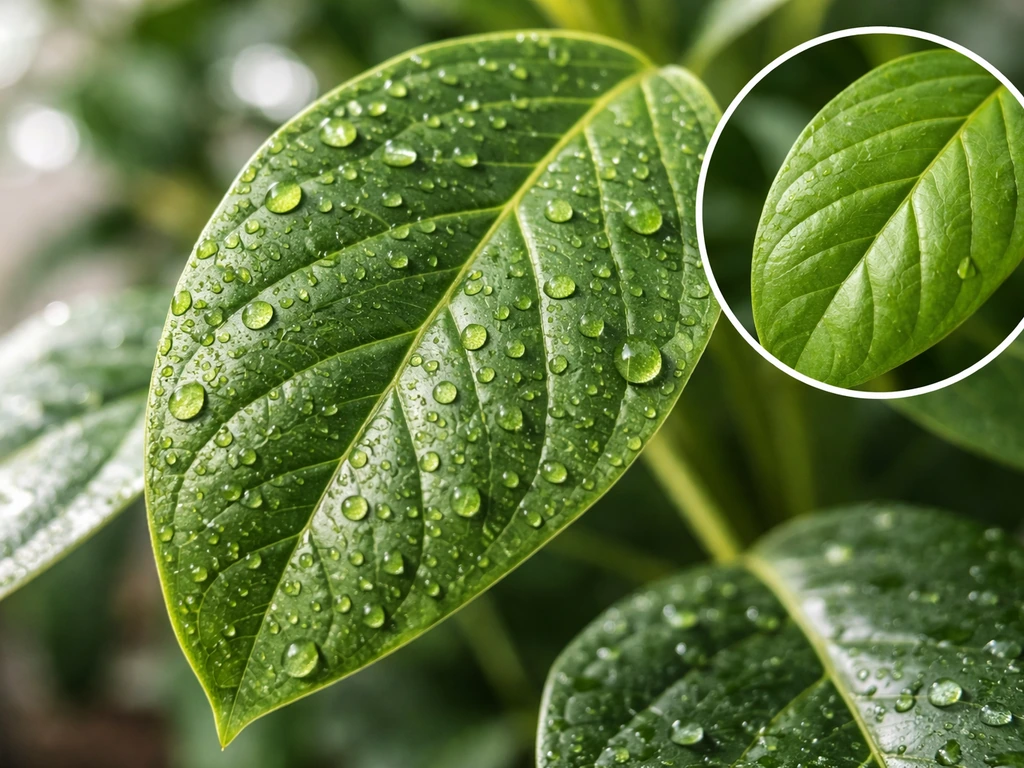
Iron does some genuinely critical work inside a plant. It's essential for forming chlorophyll, which is why iron-deficient plants turn yellow even though iron isn't technically part of the chlorophyll molecule itself. Without enough available iron, the plant can't build the green pigments it needs to capture sunlight. Beyond that, iron acts as a cofactor in enzymes involved in photosynthesis, mitochondrial respiration, and nucleotide metabolism. In practical terms, it drives the electron transport chains that convert light into usable energy and keep cellular respiration running. A plant without iron can't photosynthesize efficiently, can't produce enough ATP, and growth slows down or stalls.
The reason iron is classified as a micronutrient is that plants need it in much smaller quantities than macronutrients like nitrogen, phosphorus, or potassium. Iron is one of the micronutrients plants rely on, alongside others like nitrogen, phosphorus, or potassium. But small amounts needed doesn't mean it's optional. Think of it like oil in an engine. You don't need gallons of it, but run low and things break down fast. If you're curious how iron compares to other nutrients in this nutrient family, phosphorus and potassium each play their own distinct roles in plant energy and structure, and deficiencies in those show up quite differently.
How to spot iron deficiency (and what it looks like)
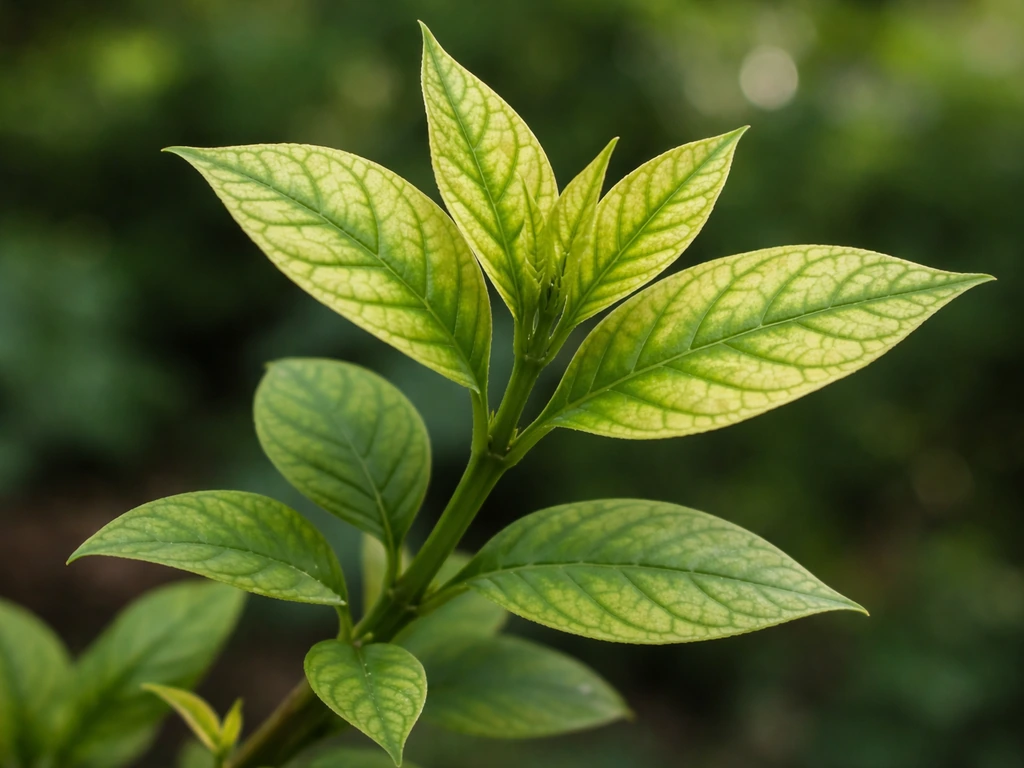
The classic sign of iron deficiency is interveinal chlorosis on young leaves. That means the tissue between the veins turns yellow, light green, or even white, while the veins themselves stay noticeably greener. It's a distinctive pattern once you know what you're looking for. In mild cases you might just see a general paling of new growth. In more severe cases the leaves are bright yellow with a clear dark green vein network running through them.
Critically, iron deficiency shows up first on the newest growth at the tips and terminals, not the older lower leaves. This is because iron is not easily moved around inside the plant once it's been deposited. New growth has to rely on fresh iron uptake from the roots, so when uptake is impaired, those young leaves suffer first. If you're seeing the yellowing starting at the top of the plant or on the newest leaves, iron (or pH) is a strong suspect.
Iron deficiency vs other causes (pH, nitrogen, watering, roots)
Yellow leaves do not automatically mean iron deficiency. This is probably the most important thing to understand before you spend money on iron supplements. Several other issues look similar but need completely different fixes.
| Cause | Which leaves yellow first | Pattern | Veins stay green? |
|---|---|---|---|
| Iron deficiency | Youngest/newest leaves | Interveinal chlorosis | Yes, distinctly |
| Magnesium deficiency | Oldest/lower leaves | Interveinal chlorosis | Yes, similar pattern |
| Manganese deficiency | Young leaves | Interveinal chlorosis (wider green band around veins) | Partially |
| Nitrogen deficiency | Oldest leaves first | Uniform yellowing, whole leaf | No, whole leaf yellows |
| Overwatering/root damage | Variable, often general | General wilting/yellowing, soft stems | No clear pattern |
| High pH (iron lockout) | Youngest leaves | Same as iron deficiency | Yes (it IS iron deficiency, caused by pH) |
The magnesium comparison trips people up most often because it looks almost identical to iron deficiency. The key difference is location: magnesium is mobile in plants, so when it runs short, the plant pulls it from older leaves to supply younger ones. Iron is immobile, so new leaves suffer first. If the yellowing with green veins is happening on lower, older leaves, think magnesium before iron. Nitrogen deficiency is easier to separate because the whole leaf goes yellow, including the veins, typically starting at the bottom of the plant.
Overwatering and root rot are sneaky lookalikes too. Damaged roots can't take up iron even when pH is perfect and iron is present. If your plant has been sitting in soggy soil, fix the drainage issue first. Adding iron to a plant with rotting roots won't do anything useful.
High soil or growing-media pH is the most common reason plants show iron deficiency symptoms. As pH rises above 7.0, iron becomes less soluble and starts to precipitate out of the soil solution. At that point, the iron is physically present in the soil but effectively invisible to the plant's roots. This is so common that in most cases when you see iron chlorosis symptoms, the right fix is addressing the pH, not just dumping in more iron.
How to test your growing setup (especially pH)
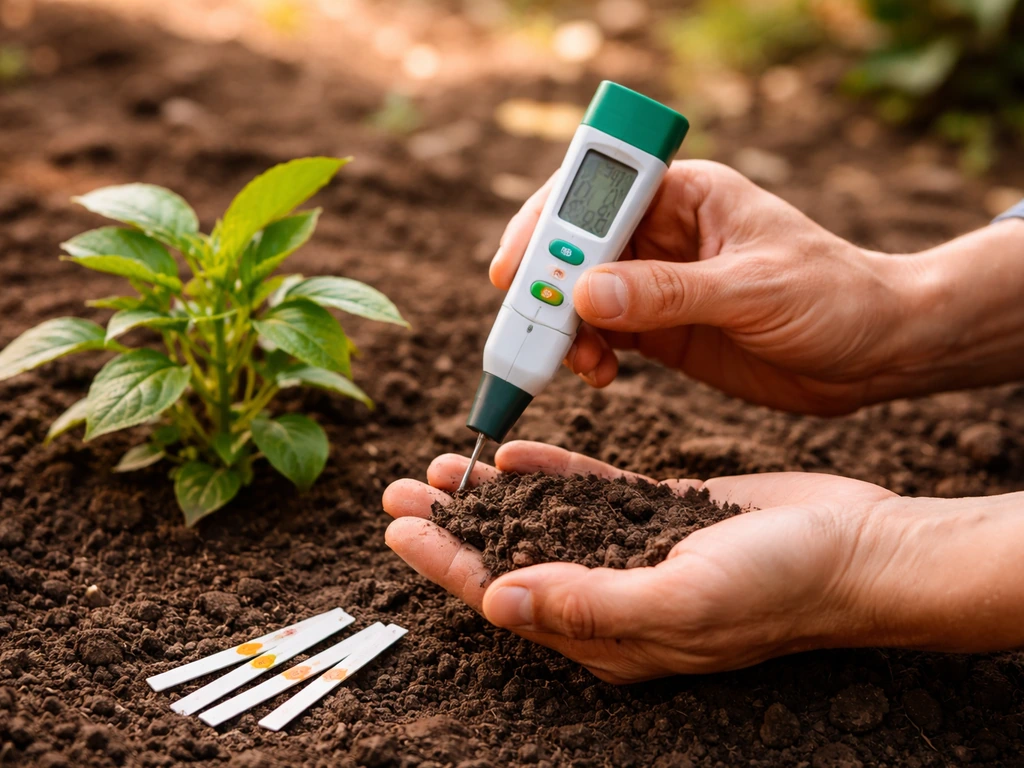
Testing pH is the single most useful thing you can do before spending anything on iron products. A cheap pH meter or a basic soil test will tell you whether you're dealing with an iron lockout situation or something else entirely.
For garden beds, collect a composite soil sample by taking 10 to 15 cores or thin vertical slices down to about 6 to 8 inches deep from across the area. Mix them all together, then take your test sample from that mix. This averages out the variability across the bed and gives you a reliable result. Use the same depth every time so you can compare future tests. For shrub or perennial beds, sampling to 4 to 6 inches is typical. For containers and potting mixes, the relevant zone is shallower, around the top 1 to 3 inches where most of the active root uptake happens.
You can send samples to a cooperative extension lab for a full analysis, which is worth doing if you're dealing with a persistent problem across multiple plants. For a quick field check, an inexpensive digital pH meter works well enough to tell you whether you're in the problem zone. The target range for most garden plants is roughly pH 6.0 to 6.8. Most plants won't run into iron deficiency below pH 6, but as pH climbs past 7.0, iron availability drops off significantly, and some sensitive species start showing deficiency symptoms even around pH 6.5.
When and how to add iron safely (forms, chelates, timing)
Once you've confirmed iron deficiency is the actual problem (and ideally tested pH), you have a few treatment options. The right choice depends heavily on your soil pH.
Choosing the right iron form
Chelated iron is the most reliable option for most situations. Chelation keeps iron in a soluble, plant-available form by surrounding the iron molecule with a protective organic ligand that prevents it from precipitating out at higher pH. But not all chelates work at the same pH range, which matters a lot.
- Iron-EDTA: works well at pH below about 6.3; above 6.8, calcium in the soil reacts with EDTA and the chelate breaks down, releasing the iron in an unavailable form. Use this only in mildly acidic soils.
- Iron-DTPA: effective up to about pH 7.5 before calcium interference kicks in. A good middle-ground option for slightly alkaline soils.
- Iron-EDDHA: the strongest chelate option, stays effective even above pH 7.0. This is what to reach for in alkaline soils or when other chelates have failed.
- Ferrous sulfate (iron sulfate): a non-chelated option that works well in acidic soils and can also slightly acidify the growing medium over time when applied as a soil drench. Less effective in alkaline conditions.
Application methods and timing
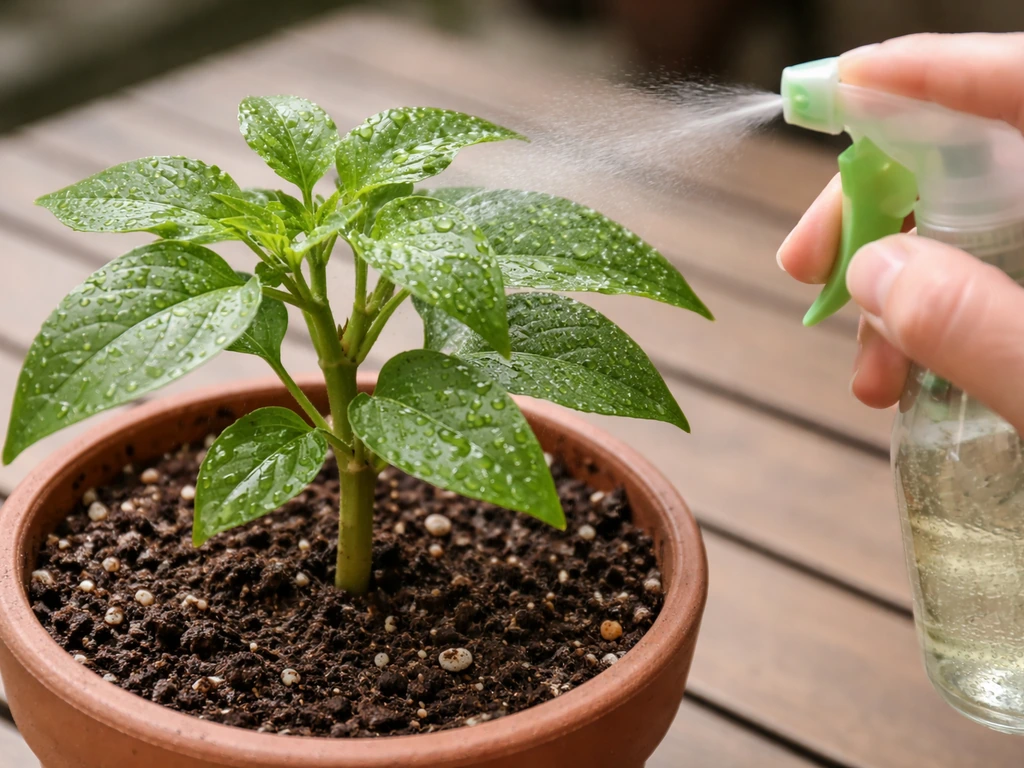
Foliar sprays give the fastest visible response, often showing improvement in treated leaves within days. You can use chelated iron or a ferrous sulfate solution (around a 2% solution is a typical concentration for sprays) applied directly to the yellow foliage. The limitation is that foliar treatment only helps leaves that are present at the time of application. New leaves produced afterward won't benefit, so you may need repeat applications through the season. Foliar effects typically last only through the current growing season.
Soil applications of iron sulfate combined with elemental sulfur (which helps acidify the root zone) can last considerably longer, sometimes 2 to 4 years depending on soil conditions. Granular iron sulfate should be worked into the top 3 to 6 inches of soil rather than left on the surface. Liquid chelated iron applied as a soil drench gets into the root zone more quickly. For trees showing iron chlorosis, trunk injections are another option that bypasses the soil pH problem entirely, though that's more of a specialist approach.
For container plants and greenhouse grows, preventing high pH in the potting mix is the most practical long-term strategy. If you're wondering about will epsom salt help plants grow, note that it does not address iron lockout caused by high pH, which is usually the real issue behind yellowing preventing high pH in the potting mix. If the media pH has crept up, an iron-EDDHA drench can provide immediate relief while you work on correcting the pH more permanently.
One thing to watch: don't over-apply granular iron products. Excess iron can cause its own toxicity issues, and more is definitely not better here. Follow label rates, and if you're uncertain, start conservatively.
Practical feeding/troubleshooting plan for today
Here's a straightforward decision process you can work through right now if you're looking at a yellow plant and wondering whether iron is the issue.
- Look at which leaves are yellowing first. New growth showing interveinal chlorosis (yellow between green veins) points toward iron or pH. Older leaves yellowing uniformly points toward nitrogen. Older leaves with interveinal chlorosis points toward magnesium.
- Check your watering. If the soil has been consistently wet or the roots look brown and mushy, address the drainage/root issue first. No nutrient fix works through damaged roots.
- Test your pH. Use a meter or send a soil sample. If you're above 7.0, pH lockout is almost certainly your problem, not a lack of iron in the soil.
- If pH is above 7.0, apply a soil drench of chelated iron (EDDHA for high pH, DTPA for moderate pH) to relieve symptoms quickly. Then work on long-term acidification with elemental sulfur or acidifying fertilizers.
- If pH is in the right range (roughly 6.0 to 6.8) and you're still seeing iron deficiency symptoms, apply a foliar spray of chelated iron or ferrous sulfate to the affected leaves. Check for other root problems or compaction that might be limiting uptake.
- For garden beds with chronic iron chlorosis in alkaline soil, a soil application of iron sulfate plus elemental sulfur worked into the top few inches can provide longer-lasting correction.
- Expect treated leaves to green up within a week or two after foliar application. Don't expect immediate miracles from soil applications. New growth should come in greener once uptake is restored.
- Retest pH in a few months if you've applied acidifying amendments, and compare to your baseline. Document your sampling depth so comparisons are valid.
Common myths about iron and plant growth
Myth: Yellow leaves mean your plant needs iron
Yellow leaves have a dozen possible causes. Iron deficiency is one of them, and it has a specific pattern (interveinal chlorosis on new growth) that distinguishes it from nitrogen deficiency, magnesium deficiency, overwatering, root damage, or just normal leaf senescence. Diagnosing based on color alone without checking the pattern and which leaves are affected will lead you to the wrong fix most of the time.
Myth: Adding more iron always fixes iron chlorosis
If your soil pH is high, adding more iron to the soil without addressing the pH is like pouring water into a bucket with a hole in the bottom. The iron will just precipitate out and become unavailable again. You might get a temporary boost from a foliar spray, but the underlying problem persists. The fix is pH correction, not iron loading.
Myth: All plants need iron supplements
The vast majority of plants growing in reasonably managed soil with appropriate pH will never need an iron supplement. Soils naturally contain iron in abundance. True iron deficiency from genuinely low soil iron content is rare. The situations where supplementing helps are specific: alkaline or heavily limed soils, certain acid-loving plants like azaleas, blueberries, or gardenias growing in unsuitable conditions, or container plants where the potting mix has drifted alkaline.
Myth: Iron treatments give permanent results
Foliar iron treatments typically last one growing season at most, improving only the leaves present at application. Even soil-applied chelates aren't permanent solutions in alkaline soil because the root cause (high pH) keeps working against you. Soil applications of iron sulfate plus elemental sulfur can last 2 to 4 years, which is much better, but the most durable fix is getting the pH right and keeping it there. That's the only approach that gives your plant reliable, self-sufficient access to the iron that's already in the soil.
Myth: Rusty nails or iron scraps in the soil will fix chlorosis
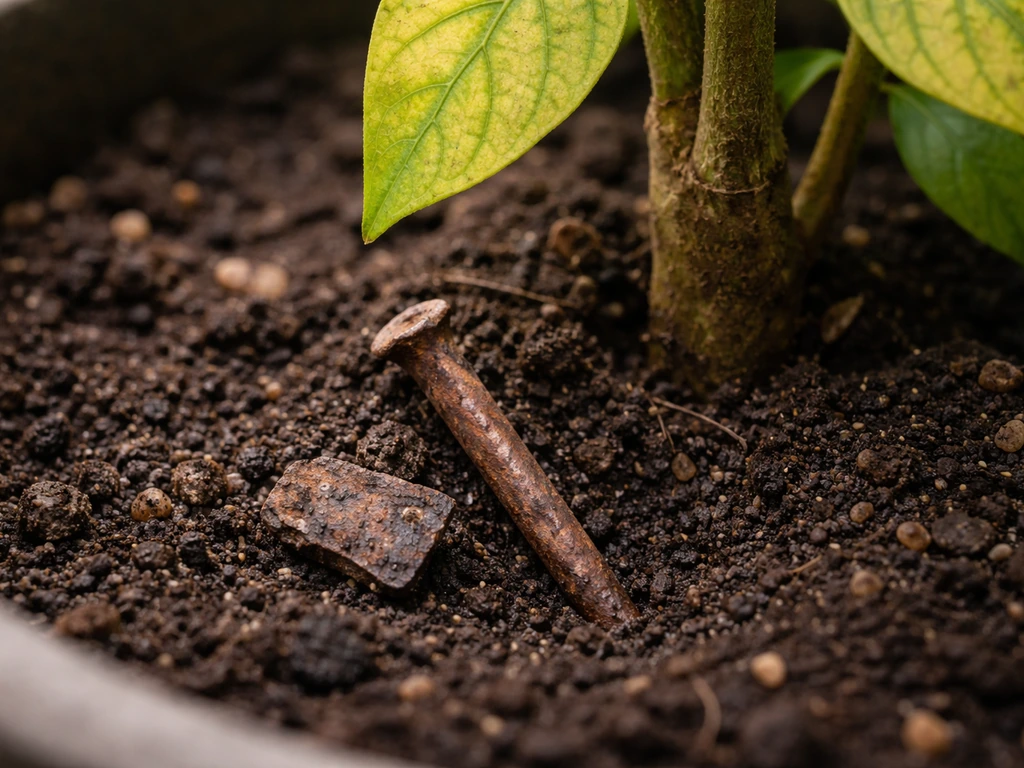
This one floats around gardening folklore a lot. The idea is that a rusty nail slowly releases iron into the soil and feeds iron-deficient plants. That doesn't mean rocks can help either, because the key issue is whether iron is in a plant-available form rusty nails. In practice, the form of iron that rusts off a nail (ferric oxide) is not readily plant-available, especially not in alkaline soil where availability is already the problem. It's the kind of fix that sounds logical but doesn't hold up to the actual soil chemistry. Stick to products with known chelate types and known concentrations so you can apply at appropriate rates and actually know what you're working with. If you're wondering about using egg shells, the key point is that the nutrient form matters, and most calcium-rich amendments don't correct iron availability the way pH and chelated iron do does egg shell help plants grow.
FAQ
Can I just add iron if my plant’s leaves look yellow?
Only if you’ve confirmed the pattern (interveinal chlorosis on new growth) and iron is actually unavailable due to low availability, often from high pH. If the yellowing is from magnesium, nitrogen, root damage, or leaf senescence, iron applications won’t fix the underlying cause and can waste money.
What’s the difference between iron deficiency and iron deficiency symptoms from root problems?
Iron symptoms can appear even when soil iron is present if roots are damaged or oxygen-starved (for example, from soggy soil or compaction). In that situation, correcting pH alone may not be enough until drainage and root health improve, because the plant can’t take up iron.
Does the rusty nail trick actually work if my soil is alkaline?
Usually no. Rust releases iron in a form that tends to be poorly plant-available, and alkaline conditions already reduce iron solubility. If nails helped at all, you’d still usually need the same pH conditions and availability mechanism that chelated iron products target.
How quickly should I see results after treating iron chlorosis?
Foliar sprays often show visible improvement within days on the treated leaves, but the effect is temporary and won’t prevent new leaves from yellowing if the root-zone pH remains high. Soil chelates may take longer to show new growth changes, and you typically need consistent treatment or true pH correction for lasting improvement.
Will new growth stay green after foliar iron, or do I have to keep spraying?
Often you have to repeat within the season because foliar treatment only helps leaves that are present at application. If the underlying driver is ongoing high pH, new leaves will keep emerging with the deficiency pattern unless you address pH or use a suitable soil strategy.
Is chelated iron always safe and effective for any pH?
No. Different chelate types perform differently depending on the pH range, and using the wrong one for alkaline conditions can lead to poor results. If you have a pH above about 7.0, choose a product specifically intended for that scenario rather than assuming all chelates work equally.
What pH number should make me suspect iron lockout?
A rise above 7.0 commonly reduces iron availability enough to trigger symptoms in sensitive plants. Many plants tolerate around 6.5, but some begin showing problems as pH climbs, so pH testing is the decision-maker rather than relying on color alone.
Can I use Epsom salt to fix yellow leaves from iron deficiency?
Epsom salt (magnesium sulfate) won’t correct iron lockout from high pH. It can help if the real issue is magnesium deficiency, but if you see interveinal chlorosis on new leaves (iron pattern), magnesium may not be the right fix.
How do I tell iron deficiency apart from nitrogen deficiency at a glance?
Nitrogen deficiency typically yellows the entire leaf, including the veins, starting on older lower leaves. Iron deficiency usually shows yellowing between veins on the newest leaves first, with greener veins.
Can overwatering cause iron chlorosis even when my soil pH is fine?
Yes. If roots are stressed or rotting, they may not absorb nutrients properly, so iron deficiency symptoms can occur even when the pH reading suggests availability. Improve drainage and let the root zone aerate, then reassess.
How much iron is too much, and what happens if I over-apply?
More is not better. Excess iron can create toxicity issues and disturb nutrient balance. Stick to label rates, avoid repeated high-dose applications, and treat based on confirmed deficiency and measured pH.
Should I treat containers differently than garden beds?
Yes. Container media can drift alkaline faster than native soil, so the long-term win is managing potting mix pH. If the mix is already high pH, an iron-EDDHA drench can provide faster relief while you correct the media conditions.
Citations
Iron is essential for enzyme cofactor functions and plays roles in regulating photosynthesis, mitochondrial respiration, and nucleotide metabolism; iron deficiency can reduce chlorophyll content, leading to interveinal chlorosis in young leaves.
https://pmc.ncbi.nlm.nih.gov/articles/PMC6566170/
Iron deficiency disrupts electron transport in photosynthesis (hindering photolysis of water and electron transfer chain activity) and can reduce the effectiveness of redox reactions, affecting respiration and ATP synthesis.
https://www.frontiersin.org/journals/plant-science/articles/10.3389/fpls.2023.1190768/full
Iron chlorosis is yellowing of leaves caused by iron deficiency, usually in high-pH soils (pH above 7.0), and symptoms include a network of dark green veins on yellow tissue.
https://extension.usu.edu/forestry/trees-cities-towns/tree-care/preventing-iron-chlorosis
The primary symptom of iron deficiency chlorosis is interveinal chlorosis: leaves become yellow/light green/white while veins remain green; severity can vary by plant and conditions.
https://extension.usu.edu/pests/ipm/notes_orn/list-turf/iron-chlorosis
In trees with iron chlorosis, first symptoms are yellow leaves with bright green veins; nitrogen deficiency would yellow the entire leaf rather than leaving veins greener.
https://www.ndsu.edu/agriculture/extension/publications/iron-chlorosis-trees
Iron chlorosis generally starts on younger/terminal leaves and later works inward to older leaves; mild cases begin as paling/interveinal tissue lightening and yellow color indicates more severe conditions.
https://extension.illinois.edu/plant-problems/chlorosis
Magnesium deficiency presents with interveinal chlorosis on older leaves; bright yellow interveinal chlorotic lesions are typical for Mg deficiency.
https://plantscience.psu.edu/research/labs/roots/methods/methods-info/nutritional-disorders-displayed/magnesium-deficiency
Because magnesium is mobile, deficiency symptoms first appear in older leaves; magnesium deficiency is seen as interveinal chlorosis on older (lower) leaves.
https://diagnosis.ces.ncsu.edu/soybean/disorder/detail/magnesium-deficiency
Manganese deficiency shows interveinal chlorosis in young leaves with a relatively wide area of green associated with veins, without producing full cream-color leaves (useful as a lookalike comparison).
https://hort.ifas.ufl.edu/database/nutdef/report07_Mn-D.shtml
Nitrogen deficiency typically causes uniformly yellow leaves, whereas iron deficiency causes overall yellowing but with green veins; foliar chelated iron is used to manage lime-induced chlorosis.
https://ipm.ucanr.edu/PMG/GARDEN/FRUIT/ENVIRON/nutrientdefic.html
Foliar nutrient applications in water-soluble/chelate form can correct chlorosis temporarily, but only leaves present during application improve; multiple treatments may be needed during a season.
https://extension.illinois.edu/plant-problems/chlorosis
Most plants will not have iron deficiencies in soils below about pH 6, but some begin becoming iron deficient around pH 6 while others don’t until pH exceeds 7 (species-dependent threshold).
https://extension.okstate.edu/fact-sheets/print-publications/hla/identifying-and-correcting-iron-deficiencies-in-ornamentals-hla-6457.pdf
Soil pH above the optimal range can reduce nutrient availability; alkaline soil pH can cause iron deficiency symptoms (illustrated with multiple plant types).
https://extension.colostate.edu/resource/changing-soil-ph/
In alkaline soil, iron availability is limited; the CSU page notes iron availability issues in alkaline conditions (and highlights pH-driven nutrient availability).
https://extension.colostate.edu/resource/soil-ph/
As soil pH rises above about 7.0, nutrients such as iron, manganese, zinc and phosphorus become less available, often leading to chlorosis and reduced growth.
https://extension.okstate.edu/fact-sheets/acidifying-lawns-and-garden-soils-in-oklahoma
For consistent comparisons, choose a sampling depth (e.g., 6 inches) and keep that depth for all future samples; soil sampling procedures affect reliability of soil test results.
https://extension.oregonstate.edu/catalog/pub/ec-628-guide-collecting-soil-samples-farms-gardens
A representative composite for gardens may involve taking 10–15 samples from the soil surface (0 inches) down to 6–8 inches depth; sample quality drives test accuracy.
https://extension.colostate.edu/morgan/resource/soil-sampling-instructions/
Rutgers’ residential soil testing instructions include sampling using thin vertical slices or cores to a depth of 6–7 inches, then mixing subsamples in the container before submitting.
https://extension.rutgers.edu/soil-testing-lab/residential
When testing container-related or rooting-zone soils, MSU notes that for pH sampling you can collect from a shallow root zone (e.g., 0–3 inches or 1–3 inches) to reflect the region most affected by low pH.
https://landresources.montana.edu/soilfertility/soil-sampling-methods.html
Soil pH strongly influences nutrient availability and can reduce bioavailability of micronutrients including iron (Fe), copper (Cu), manganese (Mn), or zinc (Zn) under conditions where chemistry changes nutrient solubility.
https://www.udel.edu/academics/colleges/canr/cooperative-extension/fact-sheets/measurement-management-pH/
Plants take up nutrients only when they are in solution; at soil/media pH above ~6.5, interactions (especially with calcium and other ions) can cause iron to precipitate and become unavailable, so chelates can help maintain availability until pH is corrected.
https://msu-prod.dotcmscloud.com/news/selecting_which_iron_chelate_to-use
Chelate stability differs by ligand: EDTA chelates iron at pH < ~6.3, while above ~6.8 EDTA can react with calcium and become ineffective; DTPA can chelate up to about pH 7.5, above which calcium interferes and it becomes ineffective.
https://extension.psu.edu/turfgrass-fertilization-a-basic-guide-for-professional-turfgrass-managers/
Utah State provides treatment options including soil application with elemental sulfur plus ferrous sulfate, iron chelates, foliar sprays (ferrous sulfate or chelated iron), and trunk injections for trees; it also notes that foliar responses can be rapid but temporary.
https://extension.usu.edu/forestry/trees-cities-towns/tree-care/preventing-iron-chlorosis
The same Utah State resource notes EDDHA is a strong chelate option; foliar iron compounds sprayed on leaves give the most rapid response but it is typically temporary—often lasting only about one year and depending on soil/conditions.
https://extension.usu.edu/pests/ipm/notes_orn/list-turf/iron-chlorosis
One soil treatment with iron sulfate + elemental sulfur may last 2–4 years depending on conditions (relative durability vs foliar treatments).
https://extension.usu.edu/forestry/trees-cities-towns/tree-care/preventing-iron-chlorosis
The document provides a practical pH-vs-chelate decision point: EDTA is less effective at higher pH (after ~6.8), while DTPA can persist up to around ~7.5 before calcium interference reduces effectiveness.
https://extension.psu.edu/turfgrass-fertilization-a-basic-guide-for-professional-turfgrass-managers/
UMass notes preventive strategies focus on controlling growing media pH and using iron chelate treatments; it specifically identifies iron-EDDHA as effective at media pH above ~7.0 and iron-DTPA as next-best.
https://www.umass.edu/agriculture-food-environment/greenhouse-floriculture/fact-sheets/how-to-prevent-iron-deficiency-in-spring-greenhouse-crops
NDSU notes chelated iron is relatively quick but chelate-based results generally last only one year, and it emphasizes foliar sprays improve only leaves present at treatment time (new leaves later may still be chlorotic).
https://www.ndsu.edu/agriculture/extension/publications/iron-chlorosis-trees
WSU notes that foliar applications of iron chelates or FeSO4 can relieve grape iron chlorosis symptoms, but results are temporary and typically last only a single growing season.
https://pubs.extension.wsu.edu/product/vineyard-nutrient-management-in-washington-state-replaces-pnw622-publication/
Utah State’s publication states that while foliar iron treatments (ferrous sulfate, soluble organic complexes, or iron chelates) correct chlorosis in leaves treated, they do not benefit leaves produced later; foliar recovery is quick but does not last more than one season.
https://extension.usu.edu/forestry/files/publications/other-publications/control-iron-chlorosis-ornamental-crop-plants.pdf
OSU emphasizes that high pH primarily reduces nutrient availability (including iron) and that iron deficiency symptoms such as iron chlorosis can show when soil pH rises above ~7.0.
https://extension.okstate.edu/fact-sheets/acidifying-lawns-and-garden-soils-in-oklahoma
CSU provides guidance on controlling iron deficiency via multiple means and cautions that chelates and spray solutions can cause issues (e.g., label concentration matters); it also gives an example formulation for a 2% iron sulfate solution used for spraying under certain guidance.
https://extension.colostate.edu/resource/zinc-and-iron-deficiencies/
OSU provides application guidance types: granular iron sulfate should be worked into the first 3–6 inches; liquid can be sprayed onto leaves or the soil surface; granular foliar over-application can cause yellowing if misused.
https://extension.okstate.edu/fact-sheets/print-publications/hla/identifying-and-correcting-iron-deficiencies-in-ornamentals-hla-6457.pdf
Cornell’s soil sampling guidance includes taking multiple cores for each unique area (e.g., 10–12 cores) and sampling to a specified depth range appropriate to garden beds (commonly 4–6 inches for shrub/perennial beds per the resource).
https://ccecayuga.org/gardening/soils-climate/how-to-take-a-soil-sample
Next Articles
Do Rocks Help Plants Grow? Benefits, Myths, and How-To
Science-backed answer on whether rocks help plants, how they affect moisture, heat, weeds, drainage, and safe ways to us
Do Crystals Help Plants Grow? Evidence and Practical Tests
Evidence-based answer on whether crystals help plants grow, plus safe tests, likely mechanisms, and real care priorities
Does Potassium Help Plants Grow? How to Tell and Apply It
Learn if potassium truly helps plants grow, spot real deficiency, and apply the right potash dose safely.